
Reviewed · LISBON WALKING TOURS
Lisbon: History, Stories and Lifestyle Walking Tour
Lisbon’s hills make its history visible: climb from old neighborhoods to open viewpoints, then follow narrow lanes toward the Tagus. This three-hour walk links Bairro Alto, Baixa and Alfama with stories about the earthquake, the Carnation Revolution and everyday city life.
I like two things in particular: you get a tram ride and coffee with cake as part of the outing, and the route moves beyond postcard views to places such as São Roque Church and the Carmo convent. Guides including Paulo, Ricardo, Beatrice and Anna have been praised for clear storytelling, warmth and humor.
The main consideration is the terrain. Lisbon’s hills, steps and cobbled streets make this more than a casual stroll, and a tram disruption or bad weather can change the plan. The pace includes stops, but bring shoes you can walk in and leave some flexibility in your schedule.
- Bairro Alto sets the scene: Learn how this 16th-century district changed after the 1755 earthquake.
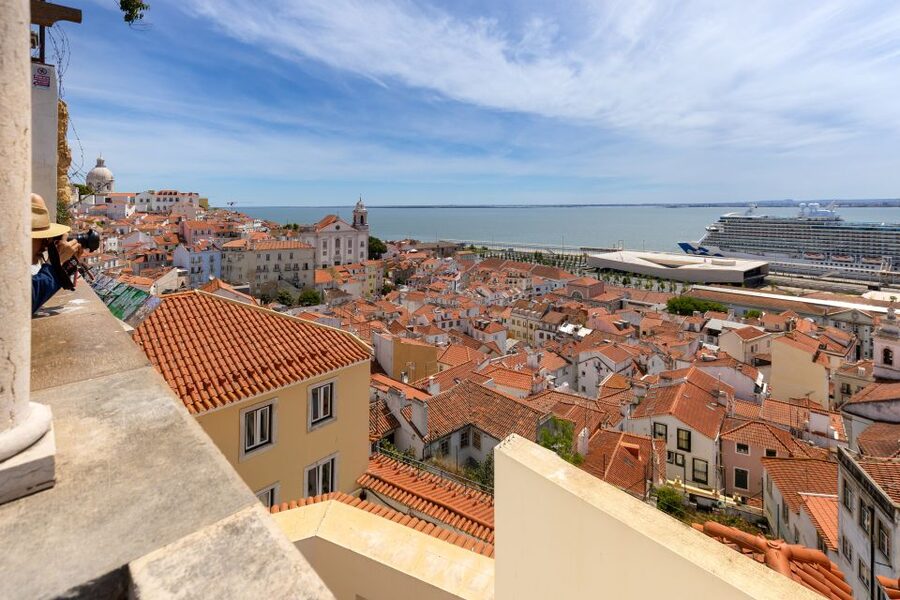
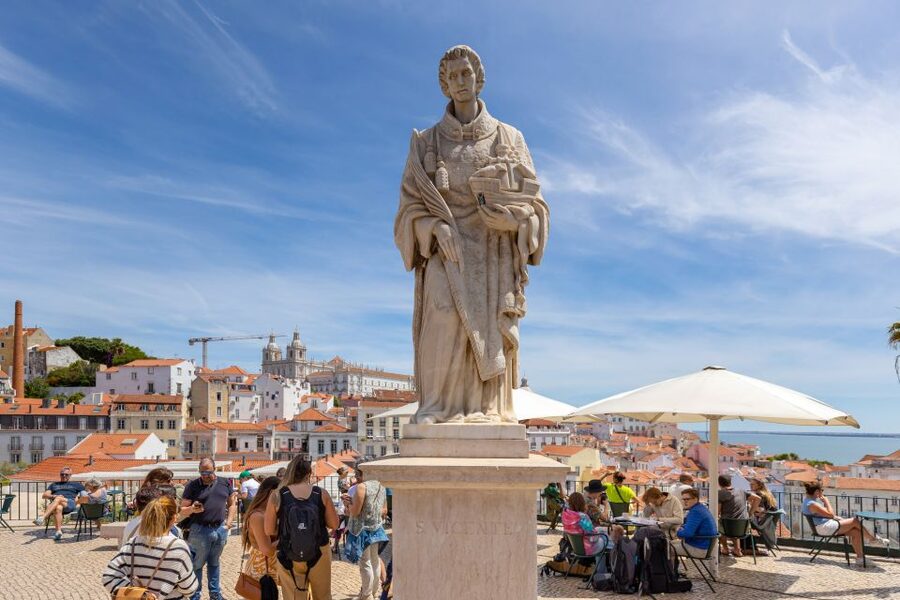
- São Pedro de Alcântara gives you a citywide view: Look over Baixa and across the Tagus toward the south bank.
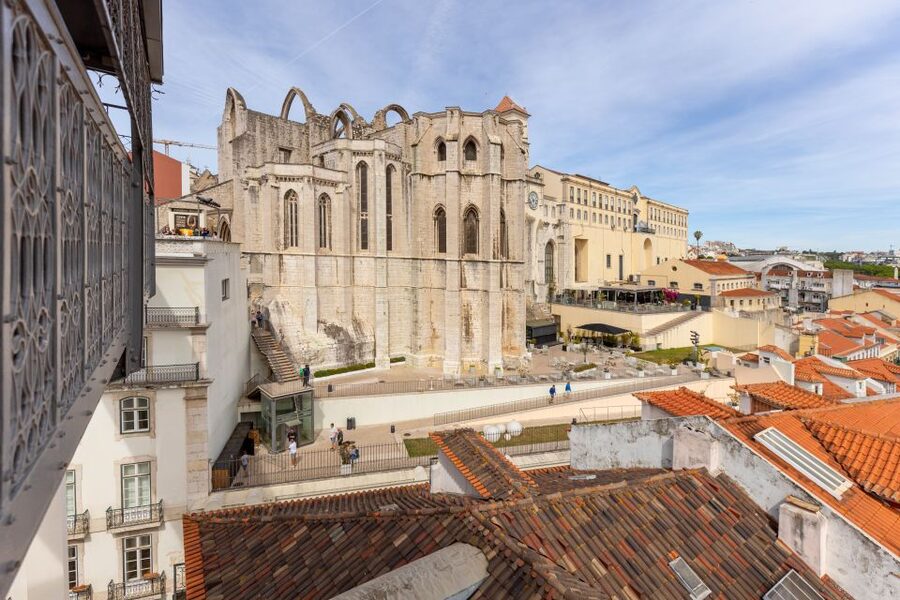
- Carmo links architecture with modern politics: The convent is Gothic, and the site is tied to the 1974 Carnation Revolution.
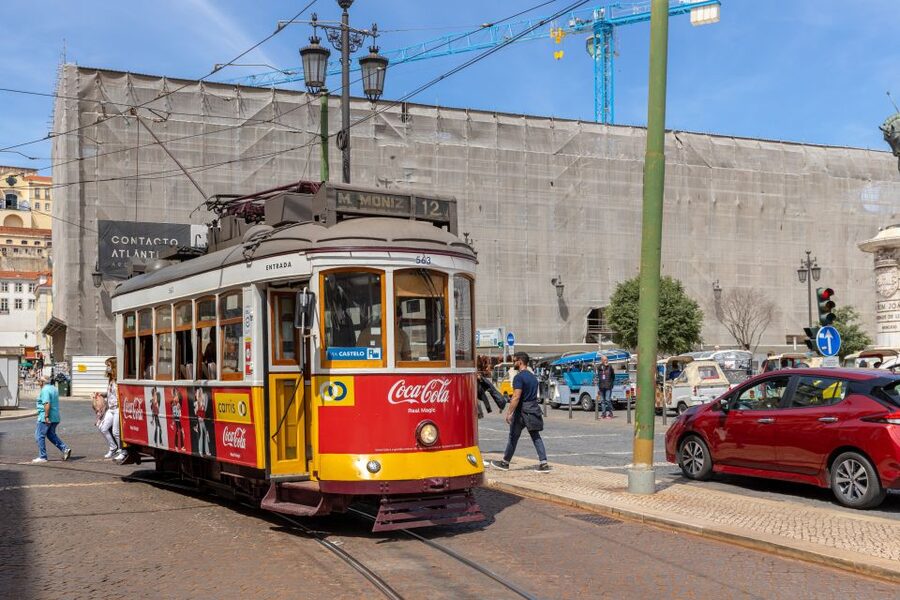
- A tram ride breaks up the walk: The route heads toward Portas do Sol and the old eastern quarters.
- Alfama is the atmospheric finish: Narrow streets, fado houses and saint festivals offer a look at Lisbon’s traditional neighborhood life.
- Coffee and cake are included: A welcome pause, often featuring espresso and a pastel de nata.
Lisbon’s hills make a natural history lesson
This tour is a useful first look at a city that can be tricky to understand from street level alone. Lisbon spreads across hills, and its neighborhoods have distinct personalities. Walking between them helps you see how the capital’s layout, architecture and past fit together.
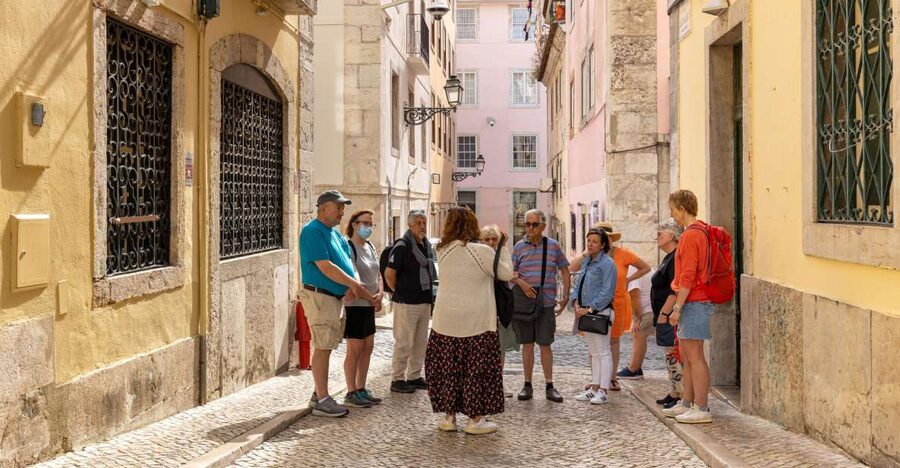
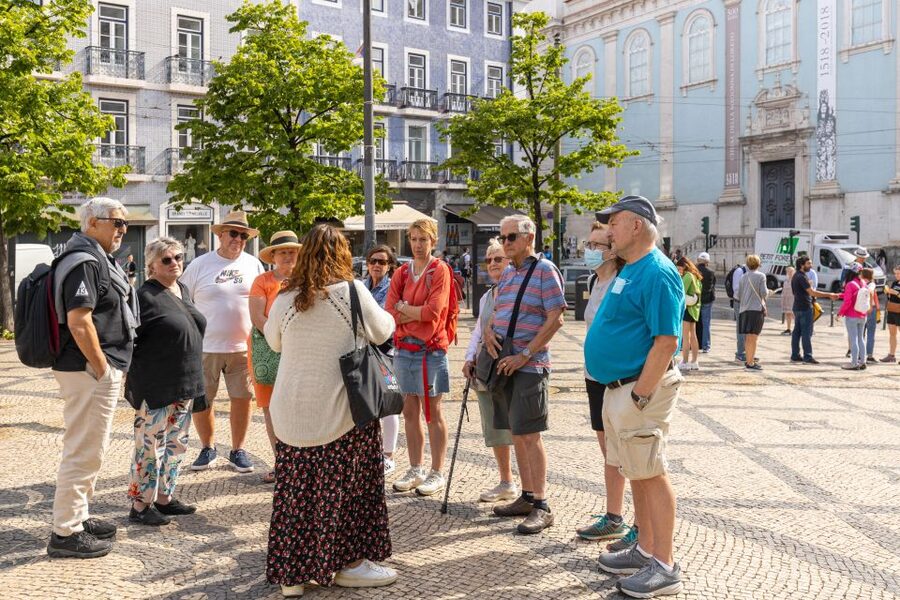
The route takes about three hours and combines guided walking with a short tram ride. A local guide adds context that can be hard to pick up while moving from one monument to the next on your own. The best guides make room for questions and connect major events to daily life. Guides such as Paulo, Ricardo, Beatrice and Anna have earned praise for their storytelling, humor and practical suggestions.
The tour is priced at $29 per person. For that, you get a live guide, the walk, a tram trip, coffee and cake. That is good value if you want a structured introduction to several central districts, rather than a visit focused on one museum or landmark. Hotel pickup and drop-off are not included, and the meeting point depends on the option you book.
Bairro Alto begins the story
The walk opens in Bairro Alto, a district dating from the 16th century. Here, the guide explains how Lisbon changed after the 1755 earthquake, when families from Baixa and the Bairro districts came to this area as the city began to rebuild and renew itself.
That opening gives you a useful frame for the rest of the tour. Lisbon’s history is not simply a sequence of old buildings; it is a story of damage, recovery and change. As you move through later neighborhoods, you can compare the city’s older surviving streets with the more planned center that followed the earthquake.
The route passes the garden at Miradouro São Pedro de Alcântara, one of the tour’s best chances to pause and take in a broad view. From here, you can look across Baixa and toward the south bank of the Tagus. I like having this viewpoint early in the outing: it helps you orient yourself before descending into the denser streets below.
More walking tours in Lisbon:
- Best of Lisbon Small-Group Guided Walking Tour
★ 5.0 · 4,869 reviews - Lisbon: Food and Wine Small Group Walking Tour
★ 4.9 · 4,082 reviews - Best of Lisbon Walking Tour: Rossio, Chiado & Alfama
★ 4.9 · 2,700 reviews
São Roque Church rewards a closer look
The guide takes you to San Roque Church, built by the Jesuits. Its exterior is austere, but inside you can see gilding, tiles and paintings associated with Mannerist and Baroque styles. That contrast makes the stop more than a quick look at a church facade.
The visit also adds variety to a walk that otherwise moves through streets and viewpoints. If church interiors are not usually your priority, the guide’s explanation can help you notice the design and decoration rather than treating it as just another stop. The tour does not promise a long, specialist art visit, so think of this as a compact introduction.
Carmo’s Gothic ruins carry a modern story
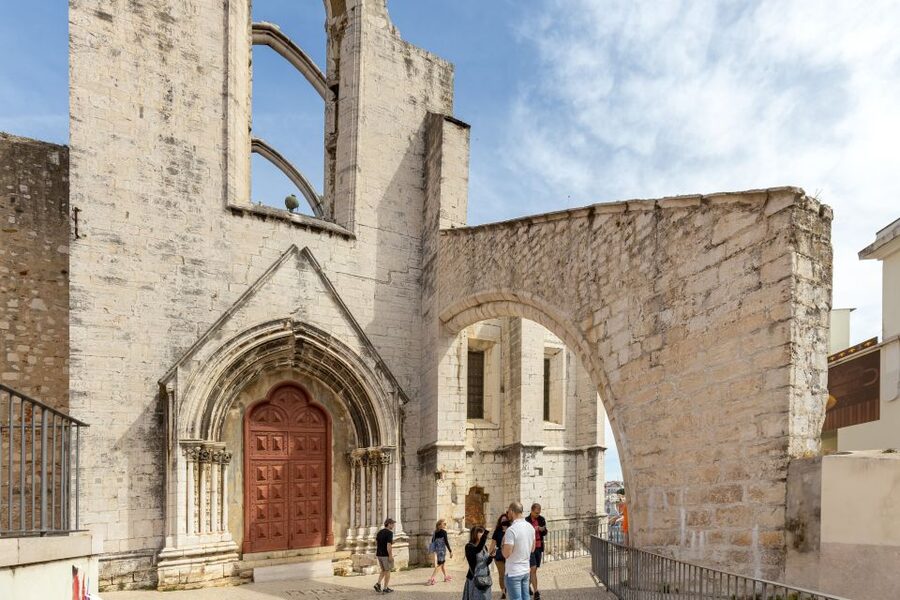
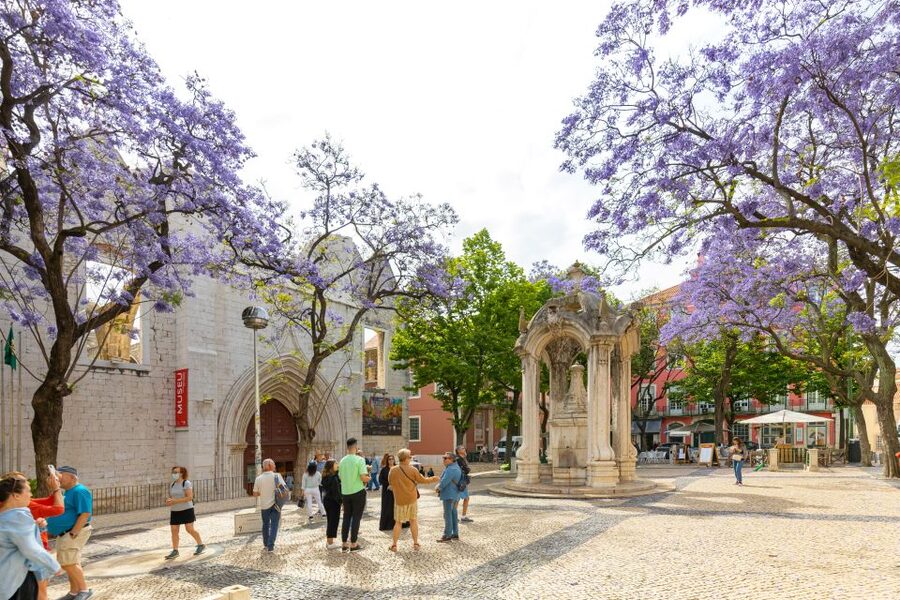
Next comes the Carmo convent and church, described as fine examples of Lisbon’s Gothic architecture. The site also has a place in Portugal’s recent political history: the Carnation Revolution began here in 1974, ending nearly five decades of dictatorship.
That connection gives the stop unusual weight. The tour moves from medieval architecture to a turning point within living memory, and some guides can make that history feel personal. Paulo, for example, was described as someone who had experienced the revolution as a child and grew up in Lisbon. Your guide will vary, but the tour’s subject matter leaves room for a local perspective alongside the dates and events.
The ruined church is visually striking, but the value of the stop is not just its appearance. It gives you a chance to connect Lisbon’s built history with political change, and to ask questions about the country’s more recent past.
Santa Justa and Baixa show the rebuilt city
The route continues to the Santa Justa elevator, an imposing Gothic Revival structure and one of Lisbon’s familiar landmarks. It provides a viewpoint over the city, while the surrounding Baixa district gives you a feel for the capital’s central streets and landmarks.
The elevator is a useful point of comparison with the older quarters. Baixa sits at the heart of the city and reflects the renewal that followed the earthquake. You will see several attractions in the area, though this is a walking tour rather than a ticketed visit to every building or viewpoint.
There is a short break around this part of the outing. The included coffee and cake make it more than a pause to catch your breath. The stop is often described as a bica, or espresso, with a pastel de nata, though the exact snack can vary. One guide adapted the treat for a vegetarian guest, which is a good reminder to mention any dietary needs to your guide rather than assuming every stop will be identical.
More history tours in Lisbon:
- Lisbon: Live Fado Show with Port Wine in Historic Center
★ 4.7 · 4,166 reviews - Lisbon: Fado Show with Wine in a Historic Venue
★ 4.8 · 1,294 reviews - Explore Lisbon by Tuk Tuk: History and Viewpoints
★ 5.0 · 840 reviews - Lisbon: Daytime or Sunset Boat Cruise with History and Wine
★ 4.9 · 819 reviews
The tram ride leads toward Portas do Sol
A tram ride adds a distinctly Lisbon element to the route and gives your legs a brief rest. The planned journey goes from the castle area up to Portas do Sol, where you can take in views of the Monastery of São Vicente de Fora, the National Pantheon and Alfama stretching toward the river.
It is a short ride, not a sightseeing circuit, but it gives you a taste of how public transport moves through the city’s steep streets. It can also be subject to disruption. One guide had to adjust the outing when a tram broke down in heavy rain, and handled the change by adapting the route. Keep your expectations flexible: the tram is included, but the city’s transport and weather can affect how the day unfolds.
The Portas do Sol viewpoint is another good orientation stop. From here, you can see the close-set streets of Alfama and understand how the old quarter runs down toward the Tagus. It is a fine place for photographs, though views can be affected by weather and crowds.
Alfama rewards a slower pace
Alfama is among Lisbon’s oldest and most traditional neighborhoods. The tour explores its narrow streets and introduces its fado houses and popular saint festivals, especially those linked to St. Anthony. This is where the outing shifts from big-picture history to the character of a lived-in district.
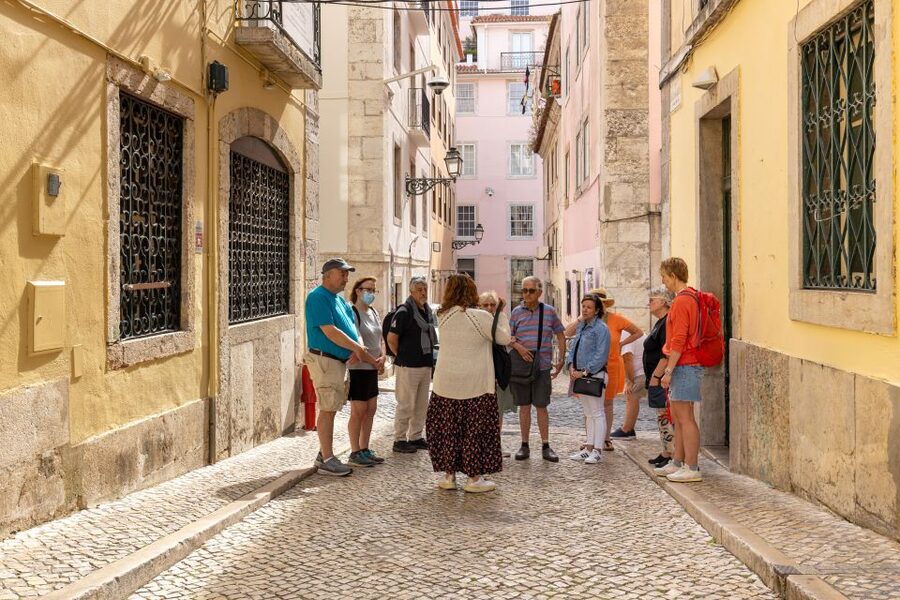
Expect a mix of lanes, steps and uneven surfaces. The tour includes frequent stops, and guides have been praised for keeping a relaxed pace and making adjustments for different needs. Still, this is a walk through a hilly city, not a flat promenade. If you have mobility concerns, contact the provider before booking to check whether the specific route suits you.
A guide’s local recommendations can be especially useful here. You can ask about fado, neighborhood customs and places to return to later. This is one reason I would take the tour early in a Lisbon stay: you can use the rest of your visit to follow up on a place or subject that catches your interest.
Lisbon Cathedral closes the route
The walk ends at Lisbon Cathedral, built in 1150, three years after the city was retaken from the Moors. It has changed over the centuries, and its architecture reflects more than one style. That layered look makes it a fitting final stop for a tour about a city repeatedly shaped by new eras.
The cathedral also brings the route back to the city’s earlier history after the more recent political story at Carmo. By the end, you have moved through religious, architectural and civic landmarks, with the neighborhoods between them doing as much work as the monuments.
The timing can run longer than three hours. Some guides take extra time to finish the route or answer questions, so avoid scheduling a tight appointment immediately afterward. The tour’s relaxed, conversational character is part of its appeal, but it can make the end time less exact.
Who will get the most from this walk
I would recommend this tour if you are visiting Lisbon for the first time and want a compact orientation before exploring on your own. It covers several central districts, gives you a tram ride, and introduces key events such as the 1755 earthquake and the 1974 revolution. You can leave with a better sense of where Baixa, Bairro Alto and Alfama sit in relation to one another.
It also suits anyone who prefers stories to a checklist of photo stops. The strongest part of the experience is the guide’s ability to connect buildings and views with Lisbon’s people and history. Guides vary, but the high praise for Paulo, Ricardo, Beatrice, Anna, João and others points to a tour where the human guide is central to the experience.
The walk may be less suitable if you want a flat route, a private visit inside every landmark or a strict finish time. You will cover hills and streets, and the exact meeting point depends on the option booked. Private or small-group formats are available, with live tours in Portuguese, Spanish, Italian, German, French and English.
For $29, the included guide, tram ride and coffee with cake make the price easy to justify if you want more than a self-guided stroll. Free cancellation is available up to 24 hours ahead, and you can reserve now and pay later. I would book it near the start of a Lisbon stay, wear comfortable shoes, and leave room afterward to revisit the neighborhood that most catches your eye.
FAQ
How long is the tour?
The walking tour lasts about three hours. The route may run longer, so avoid making a tight appointment immediately afterward.
How much does the tour cost?
The listed price is $29 per person. The meeting point may vary depending on the option you book.
What is included in the price?
The tour includes a live guide, walking tour, tram trip, coffee and cake.
Is hotel pickup included?
No. Hotel pickup and drop-off are not included.
Which neighborhoods does the tour visit?
The route includes Bairro Alto, Baixa and Alfama, with stops at several landmarks and viewpoints.
Does the tour include a tram ride?
Yes. A tram trip is included, with the planned ride going toward Portas do Sol. Tram disruptions can require a change of plan.
What languages are available?
Live guides are available in Portuguese, Spanish, Italian, German, French and English.
Are private or small-group tours available?
Yes. Private or small-group options are available.
Can I cancel for a refund?
You can cancel up to 24 hours in advance for a full refund.
Is coffee and cake included?
Yes. Coffee and cake are included. The stop is often described as espresso and a pastel de nata, though the exact treat may vary.
Lately reviewed in Lisbon
- Lisbon: Sunset and Wine Luxury Catamaran Cruise★ 5.0 · 17 reviews
- Lisbon Sunset Boat Tour with local Snacks & Drinks★ 4.9 · 11 reviews
- Lisbon: Street Art Tour★ 4.7 · 66 reviews
- Lisbon: Streets of Alfama Private Segway Tour 1.5hour★ 4.8 · 15 reviews
- Lisbon: Sunset Boat Party with 2 Drinks and Free Club Entry★ 3.9 · 93 reviews
- Tuk Tuk Lisbon: Street Art 2-Hour★ 5.0 · 6 reviews
- Lisbon 3-Hour Street Art Tour★ 4.6 · 63 reviews
- Lisbon Street Art Tour★ 5.0 · 4 reviews
Lisbon Walking Tours, compared.

Best of Lisbon Small-Group Guided Walking Tour
Read our review →
Best of Lisbon Walking Tour: Rossio, Chiado & Alfama
Read our review →

Sintra & Cascais Day Tour with Pena Palace Entry and Gardens Walk
Read our review →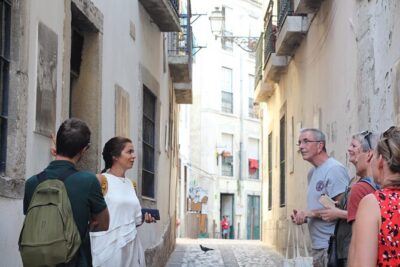
Lisbon Roots – Small group Food & Culture Walking Tour w/tastings
Read our review →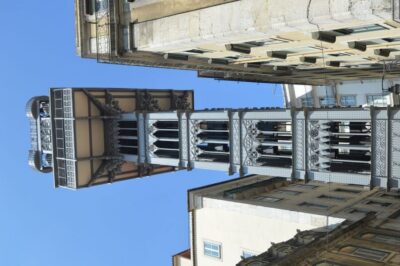
Starter Walking Tour to the highlights in German
Read our review →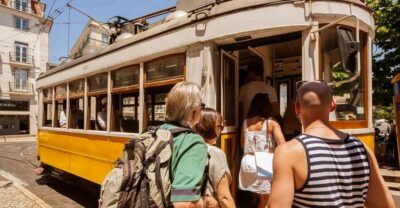
Browse the lists this tour appears in