
Reviewed · LISBON TOURS
Lisbon: National Tile Museum Entry Ticket
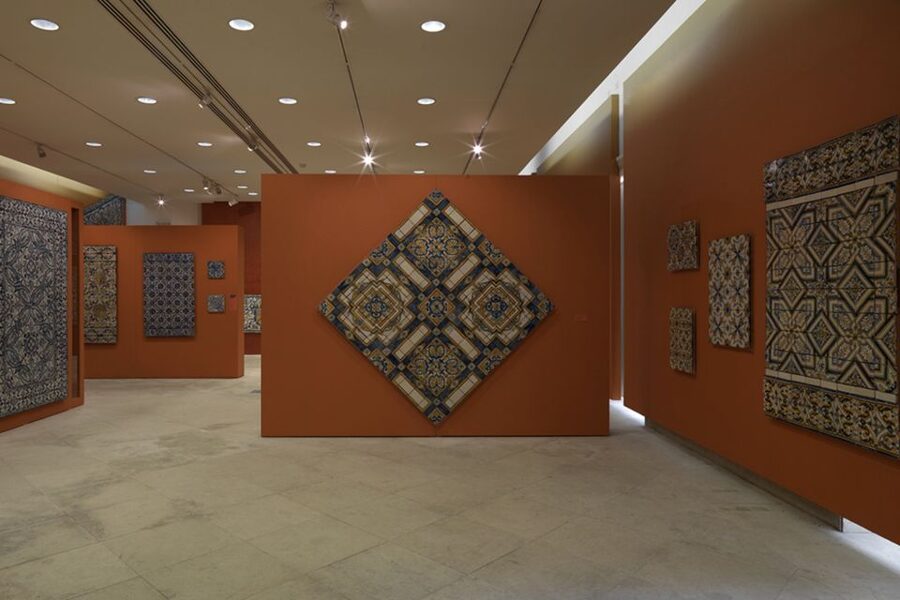
The National Tile Museum is more than a gallery of pretty patterns. Inside the former Convent of Madre Deus, azulejos tell the story of Portuguese design from the 15th century to the present, while the convent’s own church, chapel and cloister add art and architecture of their own. I like that the displays give you a clear historical route, and that the building itself is part of the visit.
One practical point: the $11 ticket is not a skip-the-line pass, so buying ahead does not guarantee you can walk straight in. The museum also closes for lunch, from 1 pm to 2 pm, so check the clock before setting out.
What makes this visit worthwhile
- Tiles across five centuries: See Portuguese azulejos from the second half of the 15th century through contemporary work.
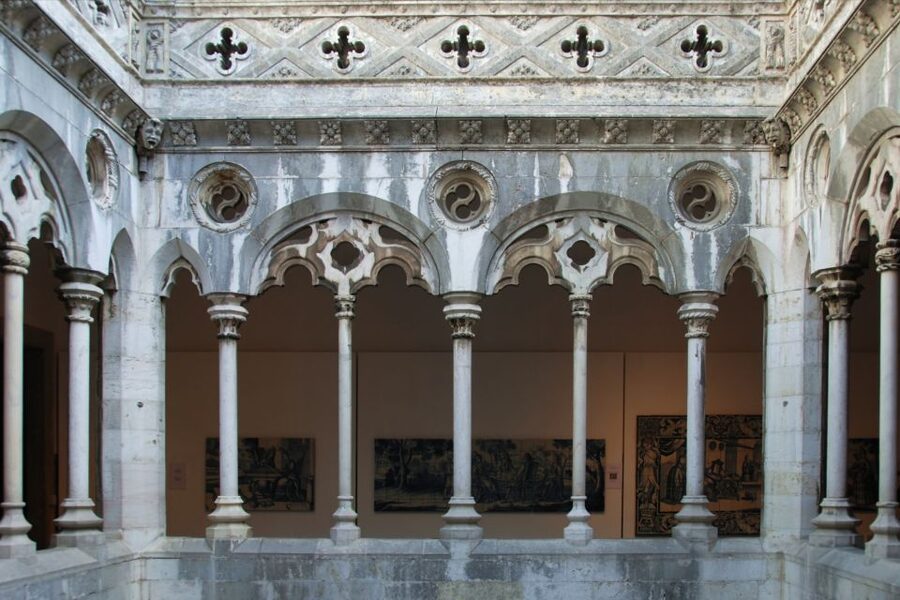
- A convent with its own works of art: The church, sacristy, high choir, cloister and Chapel of Saint Anthony are part of the experience.
- A clear chronological route: The exhibition begins with tile materials and production techniques, then moves through changing styles.
- A large Lisbon city display: The top-floor panorama is a striking way to look at the capital through tile.
- More than ceramics: The collection also includes ceramics, porcelain and faience from the 17th to the 21st century.
- A useful café stop: The on-site café has garden seating, a welcome place to pause before or after exploring.
Start with the craft, then follow the centuries
The permanent exhibition opens with a practical introduction to the materials and techniques used to make tiles. That short grounding matters: once you know a little about how tiles are made, you can look past the colors and patterns to notice changes in design and workmanship.
From there, the route follows a chronological order, beginning with tiles from the second half of the 15th century and continuing to the present day. You can see how the art form changed over time rather than encountering a jumble of unrelated examples. Explanations organized around Portugal’s monarchs help make the sequence easier to follow, especially if you are not familiar with the country’s history.
The displays include more than decorative panels. Ceramics, porcelain and faience from the 17th through the 21st century broaden the picture of Portuguese decorative arts. If you arrive expecting a quick look at blue-and-white tiles, give yourself room to slow down. The range of styles and scenes can hold your attention well beyond the first gallery.
Some pieces have limited detail beside them, so visitors who want background on every work may find an audio guide useful. One audio option requires downloading an app and bringing your own headphones. If you prefer not to use your phone, the chronological layout and explanatory text still give you a helpful framework.
More museum visits in Lisbon:
- Lisbon: Luz Stadium Tour & SL Benfica Museum Ticket w/Scarf
★ 4.7 · 3,264 reviews - Lisbon: Banksy Museum Permanent Exhibition Entry Ticket
★ 4.7 · 506 reviews - Lisbon: Belem, Jeronimos Monastery, and Coach Museum Tour
★ 4.8 · 478 reviews
The convent is half the story
The museum occupies the former Convent of Madre Deus, founded in 1509 by Queen D. Leonor. The building has changed through several construction periods, and those layers are part of what makes the visit feel different from a standard museum gallery.
The 16th-century Mannerist cloister offers a quieter architectural pause between the exhibits. It is also a reminder that the collection is housed in a working piece of history, not a purpose-built display hall. Look beyond the tile cases: the convent’s spaces and decoration have plenty to reward an unhurried visit.
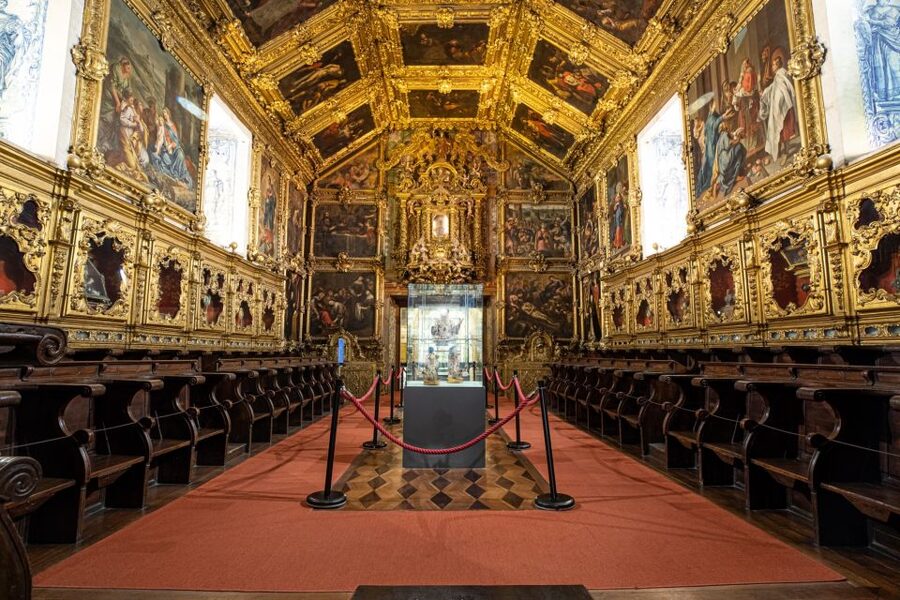
The church is one of the most memorable rooms. Its painted and tiled decoration makes the setting feel as important as the objects on display. The sacristy has a Brazilian wood cabinet and carved wooden frames holding paintings, while the high choir is finished with elaborate carved and gilded woodwork.
The Chapel of Saint Anthony is another highlight, with Baroque decoration from the 18th century and a substantial group of canvases by painter André Gonçalves. These rooms shift the emphasis from tile-making to the broader religious art and craftsmanship of the convent. If your interest is strictly ceramics, you might be tempted to move quickly through them, but I would not. They help explain the scale and purpose of the building.
Save time for the Lisbon panorama
The large tile panorama of Lisbon on the upper floor is a natural point to pause. It brings the museum’s focus back to the city outside, using the tile medium to present an expansive view of the capital. For many visitors, it becomes one of the most memorable parts of the route.
The panorama also gives the collection a useful sense of place. You have seen how tile decoration developed across centuries; now you can consider how it relates to Lisbon itself. Take a moment to study the scene rather than treating it as a quick photo stop.
The museum is a strong choice on a rainy day, but it is not only a weather backup. It offers a distinctive way to understand one of Portugal’s best-known art forms, and its indoor galleries, church and cloister make for a substantial cultural visit. On hot days, though, be prepared for the possibility that parts of the interior may feel warm. Ventilation can be limited, so comfortable clothes and water are sensible choices.
Plan on 90 minutes or a little more
A visit of about 90 minutes is a reasonable starting point. If you like to read gallery text, take photographs, spend time in the church and linger over the panorama, allow closer to two hours. The museum is self-guided, so you set the pace and can spend more time where your interests lie.
The route is chronological, but there is no need to rush from one period to the next. Pause at the introductory display, follow the development of the tiles, then give the convent rooms their due. The church and chapel are not side notes; they offer a second thread of art and history alongside the tile collection.
A café and garden seating add a welcome break. You can stop for a bite or coffee rather than treating the museum as a nonstop walk through galleries. There is also a gift shop. If you plan to eat at the café, remember that it can get busy, so a pause before you begin the museum may suit your schedule.
More tickets in Lisbon:
- Lisbon: Jerónimos Monastery Entrance Ticket
★ 4.1 · 14,164 reviews - Lisbon: Oceanário de Lisboa Entrance Ticket
★ 4.6 · 9,943 reviews - Lisbon: São Jorge Castle E-Ticket and Audio Guide
★ 4.3 · 2,182 reviews - Lisbon: 72/96-Hour Hop-On Hop-Off Bus, Tram & Boat Ticket
★ 4.4 · 2,170 reviews
Is the $11 ticket good value?
At $11 per person, the ticket is a modestly priced way to spend a couple of hours with a collection that combines art, craft and historic architecture. You are not paying only to see tile panels: the convent, church, cloister, sacristy, choir and chapel expand the visit considerably.
Value depends on your interests. If you enjoy decorative arts, Portuguese history or historic religious buildings, this is an easy ticket to justify. Even if tile museums are not usually your first choice, the chronological displays and the dramatic rooms give you more variety than the name alone suggests. Families with teenagers may find the visual collection accessible, though how much the visit appeals will depend on their appetite for museums.
If you have only a short time in Lisbon and prefer major landmarks, weigh this against other plans. The museum is not a quick stop if you want to take in the collection properly, and the ticket does not include a guide or skip-the-line access. Its strength is a self-paced visit with a clear subject and an unusually beautiful setting.
Check the hours before you go
The museum is open Tuesday through Sunday from 10 am to 1 pm, then again from 2 pm to 6 pm. Last entry is at 5:30 pm. Because the museum closes for an hour in the middle of the day, avoid arriving close to 1 pm unless you are happy to wait for reopening.
It is closed on January 1, Easter Sunday, May 1, June 13 and December 25. The ticket is valid for one day, with available starting times shown when you check availability. Bring a passport or ID card, comfortable shoes, water and a camera. The museum is wheelchair accessible.
The ticket is an entry ticket, not a skip-the-line ticket. Plan for the possibility of waiting at the entrance, even if you have bought in advance. The visit ends back at the museum entrance, which is also where you begin.
Who should book this museum?
I would put the National Tile Museum high on the list for anyone curious about azulejos, Portuguese decorative arts or historic convents. It is especially rewarding if you like seeing an art form explained in sequence, then encountering that craft in a building whose own decoration and history deepen the visit.
It also suits visitors who want a quieter, indoor cultural stop and are happy to explore at their own pace. The café and garden seating make it easier to turn the visit into a relaxed couple of hours rather than a hurried gallery circuit.
You may want to skip it if you have little interest in visual art or cannot spare at least 90 minutes. And if your main reason for booking is to avoid a queue, this is not the right ticket: it does not promise priority entry. But if you want a memorable look at Portugal through tile, with a convent and church that are attractions in their own right, the price and time commitment make good sense.
FAQ
How long should I allow for the National Tile Museum?
Plan on about 90 minutes to two hours. You can move at your own pace, and time spent with the church, chapel and panorama will affect the length of your visit.
What are the museum’s opening hours?
It is open Tuesday to Sunday from 10 am to 1 pm and 2 pm to 6 pm. Last entry is at 5:30 pm.
Is the museum open every day?
No. It is closed on Mondays, January 1, Easter Sunday, May 1, June 13 and December 25.
Does this ticket let me skip the line?
No. This is an entry ticket, not a skip-the-line ticket, so allow time for a possible wait.
Is the museum wheelchair accessible?
Yes, the museum is listed as wheelchair accessible.
What does the ticket include?
It includes entry to the National Tile Museum. No other inclusion is specified.
What should I bring?
Bring a passport or ID card, comfortable shoes, water, a camera and comfortable clothes.
Lately reviewed in Lisbon
- Lisbon: Sunset and Wine Luxury Catamaran Cruise★ 5.0 · 17 reviews
- Lisbon Sunset Boat Tour with local Snacks & Drinks★ 4.9 · 11 reviews
- Lisbon: Street Art Tour★ 4.7 · 66 reviews
- Lisbon: Streets of Alfama Private Segway Tour 1.5hour★ 4.8 · 15 reviews
- Lisbon: Sunset Boat Party with 2 Drinks and Free Club Entry★ 3.9 · 93 reviews
- Tuk Tuk Lisbon: Street Art 2-Hour★ 5.0 · 6 reviews
- Lisbon 3-Hour Street Art Tour★ 4.6 · 63 reviews
- Lisbon Street Art Tour★ 5.0 · 4 reviews
Lisbon Tours, compared.

Lisbon City Center Tour – The Unmissable Lisbon
Read our review →
Sintra, Pena, Regaleira, Cabo da Roca & Cascais
Read our review →


Sunset Boat Party Cruise with DJ and Open Bar
Read our review →
Pena Palace, Sintra, Cabo da Roca, & Cascais Daytrip
Read our review →

True 4Hour Private Tuk Tuk Tour: Discover Lisbon with a Local!
Read our review →Browse the lists this tour appears in