
Reviewed · ALFAMA TOURS
Alfama Tour in Lisbon Old Town
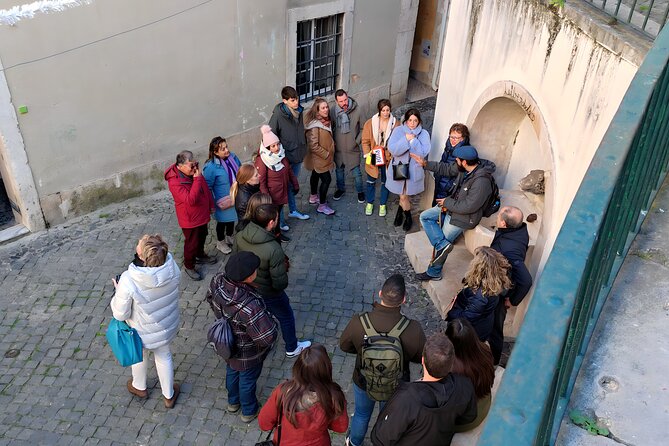
Alfama makes most sense on foot, one steep lane and small square at a time. This walk links old fountains, church-front plazas, and famous viewpoints while a local guide connects the stones to Lisbon’s layered past, from Moorish streets to Fado.
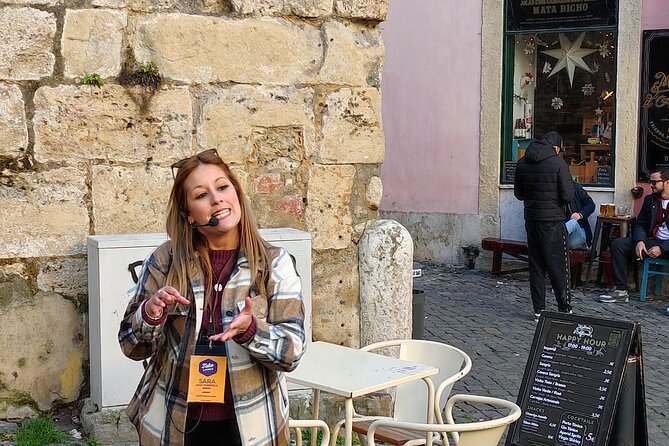
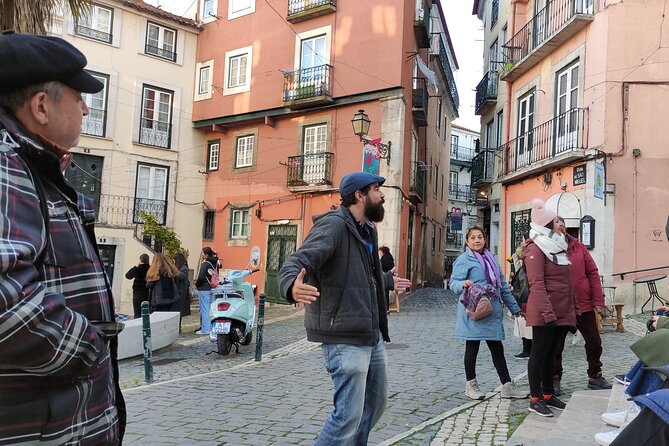
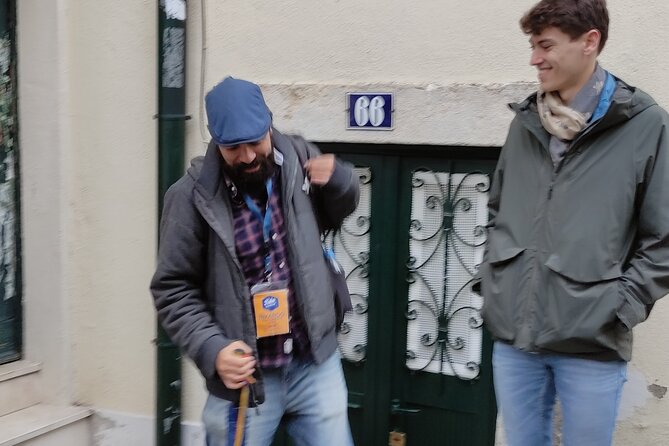
I like two things in particular: the route gets beyond postcard overlooks into neighborhood corners, and the guides make room for stories about customs, music, and present-day life. Past guides such as Hugo, Claudia, Belen, and Cecilia have been praised for lively storytelling, humor, and a feel for the group.
The trade-off is the terrain: steep grades and many stairs are part of Alfama, not an optional extra. The tour also runs on tips, so the $3.62 booking price is not the full measure of what you should budget.
What makes this Alfama walk worth your time
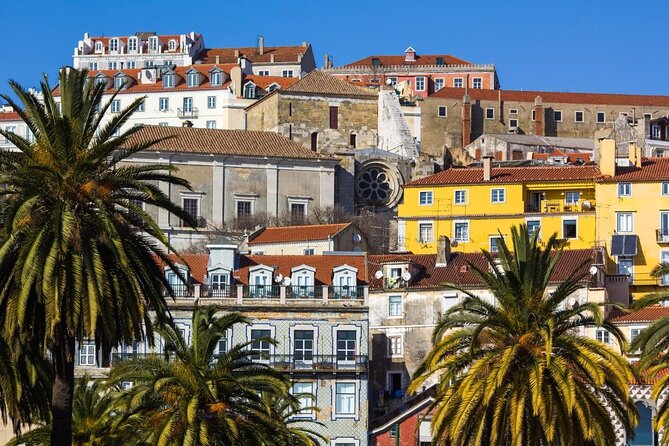
- A route through the old quarter: Visit fountains, church squares, murals, and three hilltop viewpoints.
- Stories that put the streets in context: Guides may connect Alfama’s Roman, Moorish, Jewish, imperial, and modern chapters.
- A close look at local traditions: Fado, the idea of saudade, and Lisbon’s Popular Saints festivities can bring the neighborhood’s culture into focus.
- A tip-based price: The listed $3.62 per person is an entry point, with a tip welcomed and expected at the end.
- A real uphill walk: Expect stairs and steep streets over roughly two and a half hours.
- Practical recommendations: Your guide can share suggestions for making the rest of your Lisbon stay count.
Starting at Casa dos Bicos
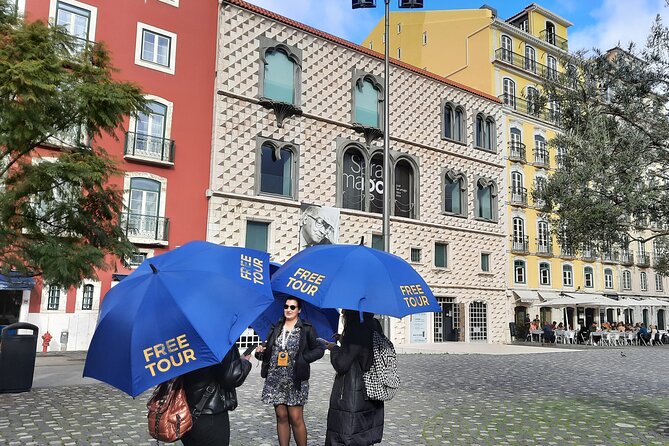
The walk begins at R. dos Bacalhoeiros 12A, near Casa dos Bicos, now home to the Museu de Lisboa. The meeting instructions point you toward the blue umbrellas, a useful landmark in a busy part of town. Arrive with enough time to find the guide and group, since one visitor found the small meeting setup hard to spot amid other groups and nearby churches.
Casa dos Bicos is a fitting place to begin. Its distinctive facade gives the guide a visible anchor for introducing Lisbon’s past and the city’s many layers. The stop is listed as about 15 minutes, but museum admission is not included, and the walk does not promise an interior visit. Treat it as an outdoor introduction, not a museum ticket.
The tour is offered in English and takes about two and a half hours. The group can include up to 25 people, though the actual size may be smaller. One account describes a group of six, a size that can make questions and conversation easier; a larger group may feel less intimate, especially in narrow lanes.
More Alfama walks in Lisbon:
- Private Lisbon Sightseeing Tuk-Tuk Tour: Alfama, Belém & More
★ 5.0 · 4,277 reviews - Lisbon: Hills, Alfama, and Mouraria Tour by Electric Bike
★ 4.8 · 3,438 reviews - Best of Lisbon Walking Tour: Rossio, Chiado & Alfama
★ 4.9 · 2,700 reviews
Fountains and squares tell Alfama’s story
At Chafariz d’El Rei, the guide introduces a fountain believed to be Lisbon’s first public fountain. Built in the 13th century to use water from the Alfama hillside, it offers a practical way to think about how daily life depended on the district’s springs and public spaces. The stop is short, around ten minutes, and admission is free.
The next stop, Largo do Chafariz de Dentro, was once known as the Horse Fountain. Today it is a central Alfama square, with a name tied to its position within the Fernandina walls. Here, a guide can help you read the neighborhood as more than a maze of picturesque lanes: its walls, water sources, and gathering places shaped how people moved through it.
At Largo de São Rafael, the old wall and the nearby streets bring the district’s earlier form closer. Largo do Salvador then offers another pause for stories about customs and everyday life. Both stops are brief, about ten minutes each, so expect a series of focused explanations rather than long visits at every point.
I like this sequence because it gives the walk a human scale. A fountain is not just a photo stop when you hear how it served a community; a small plaza becomes more than a place to catch your breath when the guide explains how old habits and cultures intersected there. Some guides discuss the difficult history of Lisbon too, including the way a fountain served enslaved and free residents, and the traces left by empire and migration. The exact emphasis will depend on your guide.
Church squares, murals, and neighborhood life
Largo do Salvador and the square at Igreja de São Miguel are good places to notice the distinction between Alfama as a historic setting and Alfama as a living neighborhood. São Miguel is one of the district’s central spots for Lisbon’s Popular Saints festivities, and the church square is tied to local celebration as well as religious life. The planned stop is around 15 minutes.
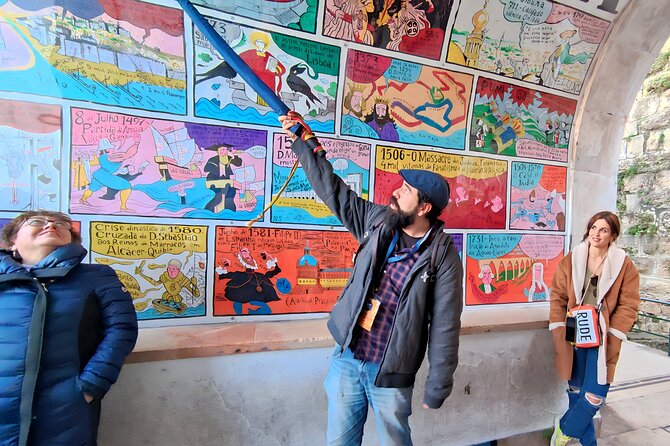
A short walk away, the History of Lisbon mural by Nuno Saraiva gives the tour a more contemporary visual marker. Its subject offers a natural opening for a guide to connect city history with the present. You get about ten minutes here, enough to look closely and hear the context without turning the walk into a long art stop.
The strongest guides make these pauses feel like conversation rather than a classroom lecture. Claudia has been praised for keeping a considerate pace and stopping in shaded spots, while Belen and Fernanda have been singled out for lively, funny storytelling. Names can change from one departure to another, of course, but the format gives you time to ask questions and hear local suggestions.
A tasting of ginjinha, Lisbon’s cherry liqueur, has been part of some walks. One guide introduced the group to Dona Alice, who sells homemade ginjinha in chocolate cups from a doorway. That is a memorable local detail, but it is not a guaranteed stop, and food and drink are not included. If a taste is offered, check the price before ordering and carry a little spending money.
The uphill reward at Alfama’s viewpoints
The route climbs toward Miradouro de Santo Estêvão, a church viewpoint reached through Alfama’s winding lanes, depending on the group’s pace. That qualification matters: the guide may adjust the route or timing rather than rush everyone to each point. Give yourself room to stop, take a breath, and look around.
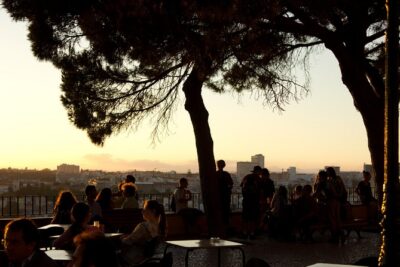
Next comes Miradouro das Portas do Sol, a broad balcony above Alfama with the kind of panoramic view that appears on countless Lisbon postcards. It is an obvious photo stop, but the view also helps you understand the district’s shape: rooftops, lanes, and the old quarter spread below you. The planned visit is about ten minutes.
Miradouro de Santa Luzia offers a more intimate terrace and another angle over the neighborhood. The schedule allows about ten minutes here too. These viewpoints are a highlight, but they are not the whole point. By the time you reach them, you have walked through the streets they overlook and heard some of the stories that a photograph cannot explain.
The physical demands are real. Alfama’s slopes and steps challenged some people, while others found the guide set a slow, manageable pace. One 79-year-old walker kept up with a patient guide, but that is not a guarantee that the route will suit every fitness level. Wear sturdy, comfortable shoes, and be candid with yourself about hills before booking. The stated requirement is a moderate fitness level.
More tours and experiences in Lisbon:
- Lisbon City Center Tour – The Unmissable Lisbon
★ 5.0 · 22,234 reviews - Lisbon: Sintra, Pena, Regaleira, Cabo da Roca & Cascais
★ 4.7 · 19,656 reviews - Lisbon: Jerónimos Monastery Entrance Ticket
★ 4.1 · 14,164 reviews - Lisbon: History, Stories and Lifestyle Walking Tour
★ 4.8 · 10,902 reviews
The cathedral and Lisbon’s patron saint
The walk continues to Lisbon Cathedral, or Sé de Lisboa, generally regarded as the city’s oldest and most important church. Construction began in the 12th century. The tour allows around 15 minutes at the cathedral, but does not include entry; the stated admission cost is €5. If going inside matters to you, plan for that as a separate visit rather than assuming the guided walk includes it.
The final stop is the Church of St. Anthony, dedicated to Lisbon’s cherished saint. It is a fitting place to close a walk that links the city’s religious traditions with its neighborhood customs. The church visit is listed as free, and the tour ends at a different location from its starting point, so keep that in mind when planning your next stop.
By the end, you will have covered a broad stretch of old Lisbon. The route’s value lies less in spending a long time inside monuments and more in learning how the district’s streets, churches, and traditions fit together.
What the price really means
The listed price is $3.62 per person, but this is a fully tip-based tour. A tip is welcomed and expected at the end, so think of the booking amount as a small upfront payment rather than the complete cost. Set aside what you feel reflects the time, effort, and quality of the guide’s work.
That model can be good value if you want a guided introduction without paying a fixed premium. It also asks you to make a fair decision at the end. The guide is providing more than directions between photo stops: the best version of the walk adds context, answers questions, and offers suggestions for the rest of your stay.
Food and drinks are not included, and neither is entry to the Museu de Lisboa or the cathedral. Any ginjinha taste or other purchase should be treated as an extra, not part of the price. The tour is usually booked about 26 days ahead, a useful clue if your Lisbon dates are fixed.
Who should book this walk
This tour suits you if you want a first-hand orientation to Alfama, enjoy hearing local stories, and are comfortable walking uphill. It is especially useful early in a Lisbon stay: the guide’s suggestions can help you decide what to explore next, while the route gives you a mental map of the old quarter.
It also works well if you prefer neighborhood texture to a series of formal museum visits. You will see public squares, church fronts, fountains, murals, and viewpoints, with the guide supplying connections among them. Depending on the guide, the conversation may range from architecture and old walls to Fado, saudade, colonial history, dictatorship, and migration.
I would think twice if stairs are a serious concern, if you need a fully seated pace, or if you expect entry to every church and museum. The guide can adapt the pace, but the hills are built into the district, and the cathedral interior is not part of the tour. Rain alone need not rule it out, but wet stone steps make good footwear even more important.
Booking is sensible if you can commit to the walk and its tip-based format. Free cancellation is available up to 24 hours before the start; inside that window, the payment is not refunded. The tour also requires a minimum number of people, so a cancellation for low numbers may mean a different date or experience, or a full refund.
Should you book the Alfama tour?
Book it if you want a clear, story-led introduction to Lisbon’s oldest quarter and can handle a hilly walk. The combination of neighborhood lanes, water history, viewpoints, Fado context, and practical local advice makes this more useful than simply following a map between landmarks.
Skip it if your priority is indoor sightseeing, a fixed all-in price, or a flat route. If you do book, wear reliable shoes, arrive early enough to find the blue umbrellas, and decide in advance what a fair tip means to you. Alfama rewards a slower look, and this walk gives you a good reason to take one.
FAQ
How long is the Alfama walking tour?
The tour lasts about two hours and 30 minutes.
What language is the tour offered in?
The tour is offered in English.
Where does the tour start?
It starts at R. dos Bacalhoeiros 12A, 1100-070 Lisboa, near Casa dos Bicos. Look for the blue umbrellas.
Where does the tour end?
It ends at a different location from the starting point. The stated final stop is the Church of St. Anthony.
Is the tour fully tip-based?
Yes. The listed booking price is $3.62 per person, and a tip in keeping with your experience is welcomed and expected at the end.
Are food and drinks included?
No. Food and beverages are not included.
Is admission to Lisbon Cathedral included?
No. The tour does not go inside the cathedral. The stated admission cost is €5.
How much walking should I expect?
The route takes about two and a half hours and includes steep grades and many stairs. A moderate level of physical fitness is advised.
How many people can join the tour?
The maximum group size is 25 people.
Can I cancel for a refund?
You can cancel at least 24 hours before the start time for a full refund. Cancellations made less than 24 hours before the start are not refunded.
Lately reviewed in Lisbon
- Lisbon: Sunset and Wine Luxury Catamaran Cruise★ 5.0 · 17 reviews
- Lisbon Sunset Boat Tour with local Snacks & Drinks★ 4.9 · 11 reviews
- Lisbon: Street Art Tour★ 4.7 · 66 reviews
- Lisbon: Streets of Alfama Private Segway Tour 1.5hour★ 4.8 · 15 reviews
- Lisbon: Sunset Boat Party with 2 Drinks and Free Club Entry★ 3.9 · 93 reviews
- Tuk Tuk Lisbon: Street Art 2-Hour★ 5.0 · 6 reviews
- Lisbon 3-Hour Street Art Tour★ 4.6 · 63 reviews
- Lisbon Street Art Tour★ 5.0 · 4 reviews
Alfama Tours, compared.
Private Lisbon Sightseeing Tuk-Tuk Tour: Alfama, Belém & More
Read our review →
Hills, Alfama, and Mouraria Tour by Electric Bike
Read our review →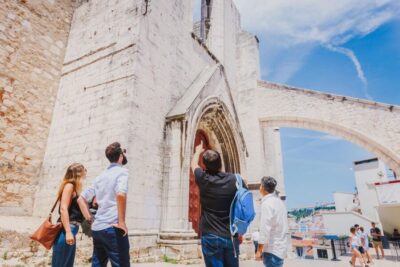
Best of Lisbon Walking Tour: Rossio, Chiado & Alfama
Read our review →
Lisbon Small-Group Food Tour with 18 Tastings in Alfama District
Read our review →
Lisbon E-Bike Tour Commerce Square, Mouraria and Alfama
Read our review →
Old Town TukTuk Tour and Scenic Viewpoints in Alfama
Read our review →
Alfama Tour and Live Fado with Traditional Dinner
Read our review →
Browse the lists this tour appears in