
Reviewed · LISBON WALKING TOURS
Lisbon: 3-Hour The Slave Trade – An Historical Walking Tour
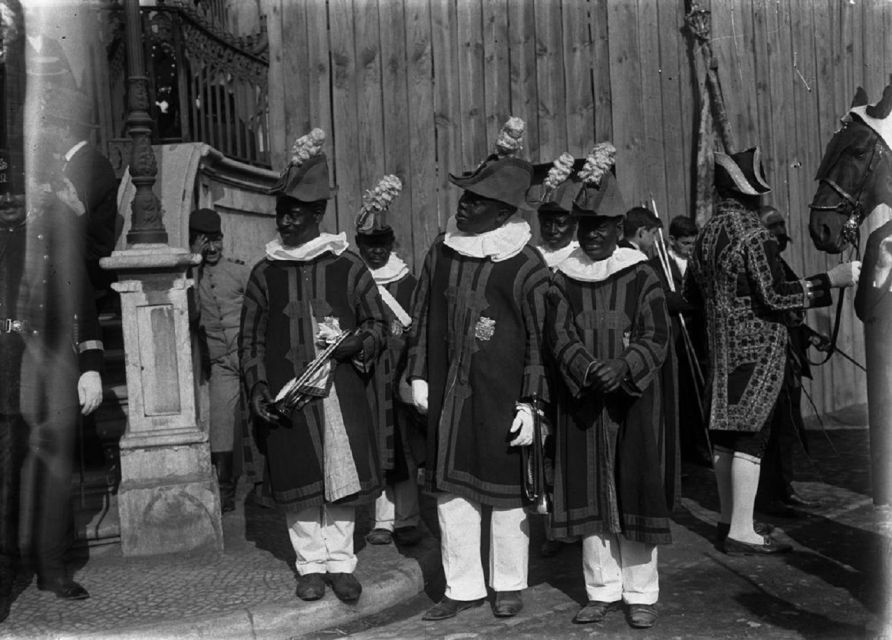
Lisbon’s grand façades and famous Age of Discovery story have another side: the wealth of the Portuguese empire was tied to the forced sale and transport of African people. This three-hour walk makes that history visible in the city itself, from Alfama’s older streets to central squares, churches and monuments.
I like two things in particular: the focus on places you might otherwise pass without knowing their history, and the chance to ask questions in a small group. Rui Fernandes, the guide associated with the tour, brings a background in history, political science and economics, and connects Lisbon’s past to its present.
One consideration: this is a serious subject, not a light sightseeing stroll. The advertised duration is three hours, but you should leave some flexibility in your day, since the walk can run longer. Group-size information also differs: one detail says up to eight people, another says a maximum of six, so check the current limit before booking.
- Meet in Alfama: Start at Largo do Chafariz de Dentro, in Lisbon’s oldest district.
- See the city through a different lens: Streets, monuments, churches and public squares help explain Portugal’s role in the slave trade.
- Follow the story across centuries: Topics range from slavery in Iberia and the Atlantic trade to abolition, African colonies and liberation movements.
- Expect room for questions: The small-group format is well suited to discussion and thoughtful answers.
- Plan for a pause: One coffee and restroom break are included; bring comfortable shoes.
Alfama’s streets tell a harder story

The meeting point is Largo do Chafariz de Dentro, in Alfama. From there, the guide leads you through back streets and main avenues, using the city’s built environment to frame a history that is often less visible than Lisbon’s seafaring past.
The route includes monuments, churches and public squares with connections to slavery and Portugal’s imperial development. The exact stops are not specified in advance, so think of this as a guided history walk rather than a fixed checklist of named sights. The value lies in learning what a familiar building or street can reveal when someone explains its past uses and context.
That approach matters in Lisbon. A grand monument can celebrate exploration while leaving out the human cost of the systems that financed it. Here, the guide puts those subjects in the same frame: Portugal’s expansion, the trade in enslaved people, and the city’s growth.
Alfama’s narrow lanes and cobbled surfaces add a sense of place, but they also call for sensible shoes. The walk is described as slow-paced, with mostly flat stretches or modest inclines. Still, cobblestones can be uneven, and the route is on foot for several hours.
From Iberian slavery to the Atlantic trade

The tour begins its historical account before the transatlantic trade, with the origins of slavery in the Iberian Peninsula. That wider starting point helps you avoid treating the Atlantic system as an isolated event. It places Portugal’s later actions in a longer history of enslavement and political power.
The guide then traces the birth of the Atlantic slave trade in the first half of the 15th century, under the direction of Prince Henry the Navigator. The scale is hard to grasp: an estimated 12 to 14 million Africans were sold into slavery and taken across the ocean to the Americas over roughly four centuries.
These figures are not just background statistics. They give weight to the walk’s central question: how did this system shape Portugal, and where can you see that legacy in Lisbon? The tour’s focus is not only on ships and trade routes, but on the society and economy built around them.
The Age of Discovery is another key part of the discussion. Portugal’s maritime expansion is often presented as a tale of navigation and exploration. This tour adds the people and coercive trade at the heart of that story, helping you understand how national achievement and human suffering were bound together.
More walking tours in Lisbon:
- Lisbon: History, Stories and Lifestyle Walking Tour
★ 4.8 · 10,902 reviews - Best of Lisbon Small-Group Guided Walking Tour
★ 5.0 · 4,869 reviews - Lisbon: Food and Wine Small Group Walking Tour
★ 4.9 · 4,082 reviews
What daily life meant for enslaved people in Lisbon
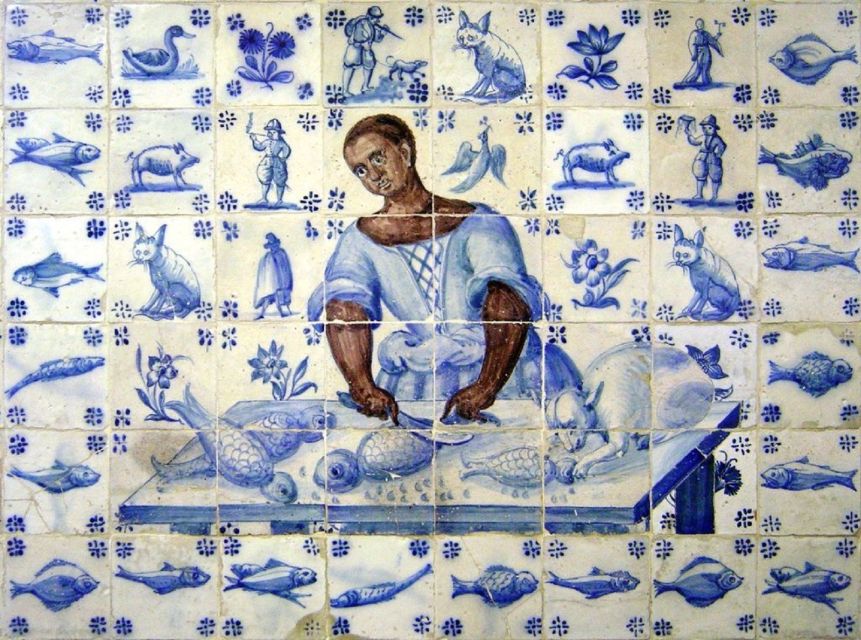
A particularly useful part of the walk is its attention to the lives of enslaved people who lived in historical Lisbon. The subject can easily become abstract when discussed only through empires, dates and trade figures. Connecting it to a city’s streets makes the history more immediate.
The tour addresses everyday life under slavery, as well as the wider political, economic and religious forces that shaped the system. You can ask questions as the group moves, and the small format gives the guide room to pause and explain rather than rush through a speech.
Rui Fernandes is described as an African guide with a background in history, political science and economics. That mix helps link personal and social experience to larger structures. He is also known for using visual material to help explain historical points, and for making time for questions.
This is a difficult subject, and the guide’s approach matters. The tour is designed to treat it with care and context, including the continuing effects of racism and the ways Portugal’s past connects to present-day society. You do not need specialist knowledge to take part, but curiosity and a willingness to listen will make the experience more rewarding.
Brazil, abolition and Portugal’s African colonies
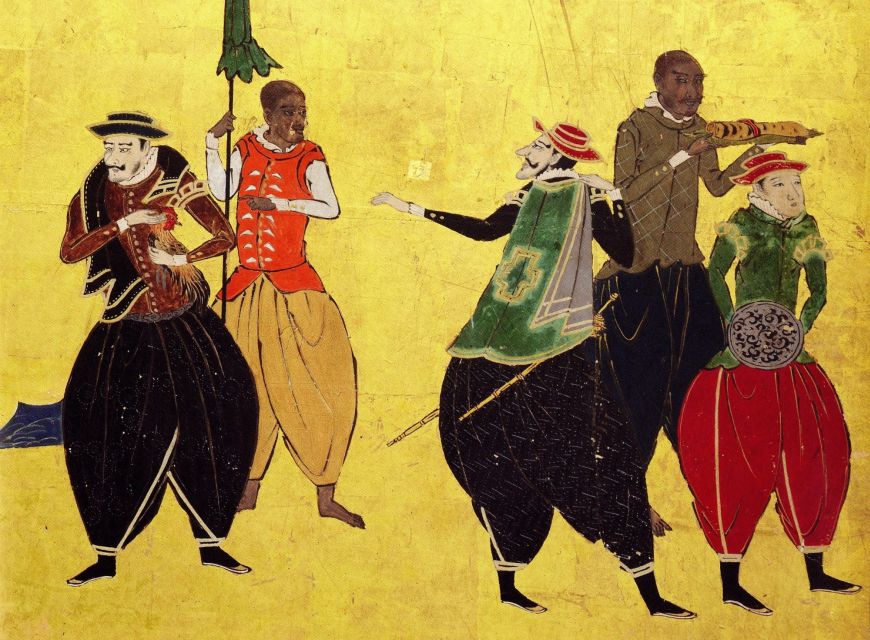
The story does not stop with the trade across the Atlantic. Brazil’s importance to Portugal is part of the tour, along with the eventual abolition of the slave trade in Portugal. These subjects show how the system changed over time, and why ending the legal trade did not instantly erase its consequences.
The walk also covers Portugal’s colonies in Africa and the later struggles for liberation led by African nationalists. That wider scope sets the slave trade within a longer history of Portuguese power overseas, rather than treating abolition as the final chapter.
For you, this broad timeline is one of the tour’s strengths. It joins early expansion, the lives of enslaved people, colonial rule and liberation movements into a single account. The trade lasted for centuries, and its effects cannot be understood through one event or one monument.
The scope is ambitious for a three-hour walk. If you want a detailed discussion of every period, you may leave with new questions rather than a complete account. That is not a flaw so much as a limit of the format: the tour gives you a strong framework and a clearer way to read the city, while a museum visit or further reading can add more detail.
A small group makes a serious topic easier to discuss
The tour is offered in English, with a small-group format. The supplied details give two different limits, eight participants in one place and six in another. Since the exact cap can affect how much room there is for discussion, check the current group size when you reserve.
A small group is especially useful here. You can hear the guide clearly, ask questions without addressing a crowd, and keep a shared pace through narrow streets. Participants have described the walk as relaxed, and the guide is noted for answering questions and adjusting the pace to the group.
There is one coffee and restroom break during the walk. It gives you a chance to sit, take stock of what you have heard and regain your energy. A café stop has included pastel de nata on some outings, but the specific café or refreshments are not guaranteed, so regard the pause as a welcome break rather than a food tasting.
The official duration is three hours, though you should allow for the possibility of three to three and a half hours. That extra margin is useful if you have another timed activity later in the day. The tour does not include hotel pickup or drop-off, so make your own way to the meeting point.
More history tours in Lisbon:
- Lisbon: Live Fado Show with Port Wine in Historic Center
★ 4.7 · 4,166 reviews - Lisbon: Fado Show with Wine in a Historic Venue
★ 4.8 · 1,294 reviews - Explore Lisbon by Tuk Tuk: History and Viewpoints
★ 5.0 · 840 reviews - Lisbon: Daytime or Sunset Boat Cruise with History and Wine
★ 4.9 · 819 reviews
Is $35 a fair price for this walk?
At $35 per person, the price buys three hours with a licensed local guide, a focused historical route and a small-group setting. Local taxes and fees are included. You are not paying for transport or a meal, but those are not the main draw: the value is in the explanation that ties Lisbon’s landmarks to a history rarely covered in standard sightseeing tours.
If you want a general overview of Lisbon’s major sights, this is not the best use of your time. The walk does include central landmarks, but it studies them through one subject. If you want to understand how slavery shaped Portugal’s development and how that history remains relevant, the price is reasonable for a specialist-led experience.
The guide can also offer recommendations for things to do in Lisbon and advice about public transport to other areas. That informal help can be useful, especially early in a stay, though it is an added benefit rather than a substitute for a dedicated city orientation tour.
You can cancel up to 24 hours before the activity for a full refund, and a reserve-now, pay-later option is available. Those terms offer some flexibility if your plans are still taking shape.
Who should book this Lisbon history tour?
I would put this walk near the top of the list if you want a fuller understanding of Lisbon than the usual monuments-and-viewpoints itinerary provides. It suits history-minded visitors, people interested in the Atlantic slave trade, and anyone who wants to understand the human cost behind Portugal’s imperial story.
It can also work well for families with older children who are ready for a serious conversation. The pace is described as manageable, but the content is not light, and the walk lasts several hours. Pets are not allowed.
Bring comfortable shoes, water if you usually carry it on city walks, and questions. The guide welcomes them, and the small-group format gives you a better chance to explore topics that matter to you. If you prefer a quick, cheerful introduction to Lisbon, choose another tour. If you want to look more honestly at the city and its past, book this one.
FAQ
Where does the tour meet?
Meet your guide at Largo do Chafariz de Dentro, a square in Alfama.
How long does the tour last?
The stated duration is three hours. Allow some flexibility, as the walk may last around three to three and a half hours.
What language is the tour in?
The live tour guide speaks English.
How much does the tour cost?
The listed price is $35 per person.
How many people are in the group?
The details are inconsistent: one section says the group is limited to eight, while another says a maximum of six. Check the current limit before booking.
What should I bring?
Wear comfortable shoes for walking on Lisbon’s streets and cobbles.
Is a break included?
Yes. The tour includes one coffee and restroom break.
Are hotel pickup and drop-off included?
No. You need to get to the meeting point yourself, and hotel pickup and drop-off are not included.
Can I bring a pet?
No. Pets are not allowed.
What is included in the price?
A live tour guide and local taxes and fees are included.
More three-hour experiences in Lisbon
- Lisbon: 3-Hour Tour by E-Bike
★ 4.8 · 1,150 reviews - 3-Hour Lisbon 7 Hills Electric Bike Tour
★ 5.0 · 818 reviews - 3-Hour Guided Street Art Walking Tour of Lisbon
★ 5.0 · 278 reviews - Lisbon: 3-Hour Segway Sailor Tour to Belém
★ 4.9 · 140 reviews
Lately reviewed in Lisbon
- Lisbon: Sunset and Wine Luxury Catamaran Cruise★ 5.0 · 17 reviews
- Lisbon Sunset Boat Tour with local Snacks & Drinks★ 4.9 · 11 reviews
- Lisbon: Street Art Tour★ 4.7 · 66 reviews
- Lisbon: Streets of Alfama Private Segway Tour 1.5hour★ 4.8 · 15 reviews
- Lisbon: Sunset Boat Party with 2 Drinks and Free Club Entry★ 3.9 · 93 reviews
- Tuk Tuk Lisbon: Street Art 2-Hour★ 5.0 · 6 reviews
- Lisbon 3-Hour Street Art Tour★ 4.6 · 63 reviews
- Lisbon Street Art Tour★ 5.0 · 4 reviews
Lisbon Walking Tours, compared.


Best of Lisbon Small-Group Guided Walking Tour
Read our review →
Best of Lisbon Walking Tour: Rossio, Chiado & Alfama
Read our review →

Sintra & Cascais Day Tour with Pena Palace Entry and Gardens Walk
Read our review →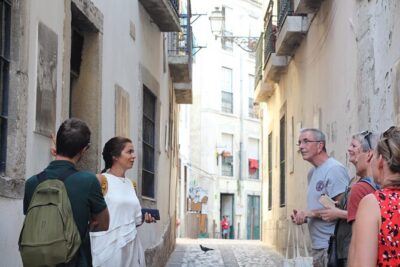
Lisbon Roots – Small group Food & Culture Walking Tour w/tastings
Read our review →
Starter Walking Tour to the highlights in German
Read our review →Browse the lists this tour appears in