
Reviewed · LISBON WALKING TOURS
Lisbon: African History and Heritage Walking Tour
Lisbon’s African history is not tucked away in a single museum. It is written into the old port, central squares, churches and streets you might otherwise pass without knowing what they reveal. This 3.5-hour walk connects those places to African heritage, the slave trade and the long, complicated relationship between Portugal and Africa.
I like two things in particular: the route makes African influence part of Lisbon’s main story, not a side note, and the guides have been praised for tying architecture and religion to wider history. Guides named Jose, Al, Alcides and Alfie have led tours, though your guide may differ.
The main consideration is the $176-per-person price. That is a substantial cost for a walking tour, and the route includes uphill stretches. It makes the most sense if you want a focused historical perspective rather than a general city walk.
- Alfama sets the scene: Moorish roots open a conversation about Africa, Lisbon and the movement of people across the Iberian Peninsula.
- The old port brings the slave trade into view: Campo das Cebolas and Praça do Comercio connect the city’s waterfront to the arrival and trafficking of Africans.
- The route follows history into daily life: Baixa, Rua Cor de Rosa and Rossio focus on African presence and integration in Portuguese society.
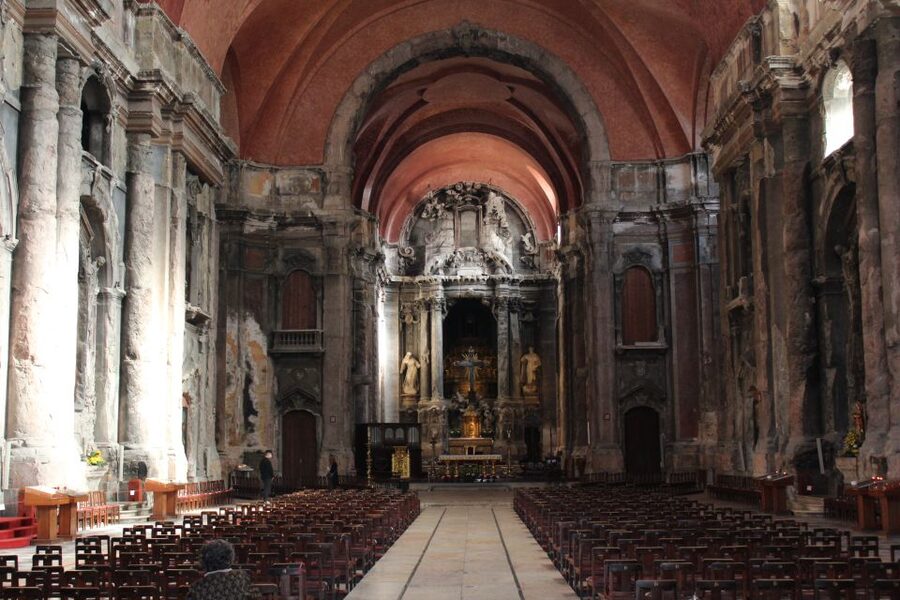
- A church adds a religious dimension: At São Domingos, the tour considers African participation in Catholic life and the achievements tied to that history.
- It covers more than monuments: The guide’s interpretation links Lisbon’s built environment to political, economic and cultural change.
- Plan for a proper walk: The experience lasts three and a half hours, and comfortable shoes matter on uphill streets.
Alfama opens a wider story
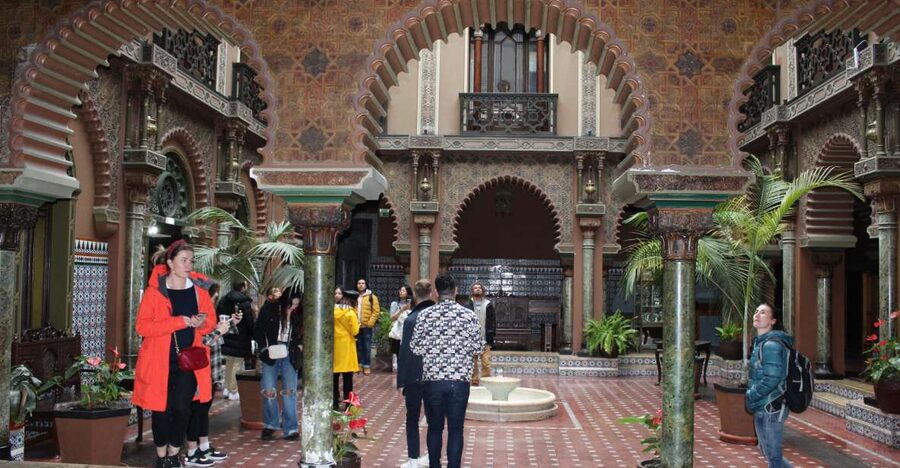
The walk begins in Alfama, Lisbon’s oldest neighborhood, founded by the Moors. It is a fitting place to start a tour about African roots and connections, because the history here does not sit neatly inside modern national borders. The guide uses the neighborhood to introduce the relationships among Africa, Portugal and other peoples who shaped the region.
This is the kind of opening that can change how you read a familiar old quarter. Instead of treating Alfama only as a maze of historic lanes, you start asking who lived here, what ideas and customs traveled through the city, and how those influences persisted. One participant described the tour as a way to understand details about Lisbon’s built environment and religious history that had been missing from other sightseeing.
Expect interpretation rather than a string of dates. The strongest feedback about guides such as Al, Alcides and Alfie centers on how they explain connections across eras and places, from Moorish influence to modern life. The subject is broad, so a guide who can make those links clear is a large part of the tour’s value.
Chafariz D’El Rei shows social rank
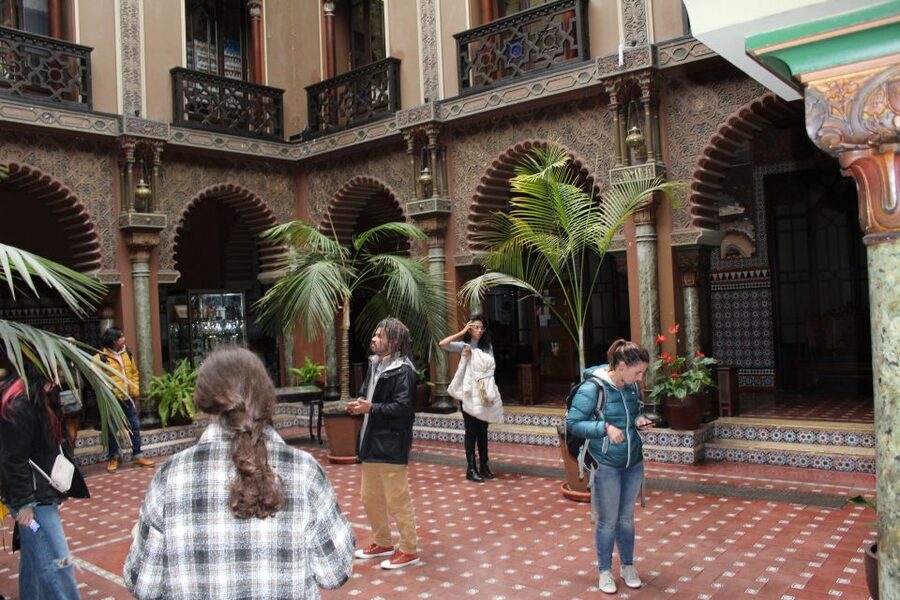
At Chafariz D’El Rei, the focus shifts to social classes in the Middle Ages. The fountain represents divisions in society, including the presence of Africans. That makes it more than a decorative stop: it offers a visual prompt for discussing where people stood in the city’s social order.
A stop like this helps make history tangible without pretending that one monument tells the whole story. You can look at the fountain while the guide explains how African people appear in accounts of Lisbon’s past and how those accounts fit into the wider structure of society. The value lies in the context, not simply in seeing an old water source.
If you have already taken a broad Lisbon highlights tour, this is the sort of place that may add something new. The walk is designed to fill gaps in a standard city narrative, not just revisit the most photographed landmarks.
More walking tours in Lisbon:
- Lisbon: History, Stories and Lifestyle Walking Tour
★ 4.8 · 10,902 reviews - Best of Lisbon Small-Group Guided Walking Tour
★ 5.0 · 4,869 reviews - Lisbon: Food and Wine Small Group Walking Tour
★ 4.9 · 4,082 reviews
Campo das Cebolas connects Lisbon to the slave trade
Campo das Cebolas belonged to Lisbon’s old port. The tour uses this waterfront setting to discuss the arrival of the first African slaves in Europe and the beginnings of the transatlantic slave route in Lisbon. That is a sobering subject, and the location helps connect the city’s physical geography to the movement of people and the trade that followed.
The port’s role matters because Lisbon’s relationship with Africa was not abstract. It shaped commerce, politics and everyday life. Here, the guide can place the city’s waterfront within a much larger history, helping you understand why Portugal’s connection to Africa cannot be separated from its imperial past.
This part of the walk asks for attention rather than quick sightseeing. If you prefer tours that keep the mood light, the subject may feel heavy. That weight is also the point: an honest account of Lisbon’s history has to include the human cost behind its maritime power.
Praça do Comercio makes empire visible
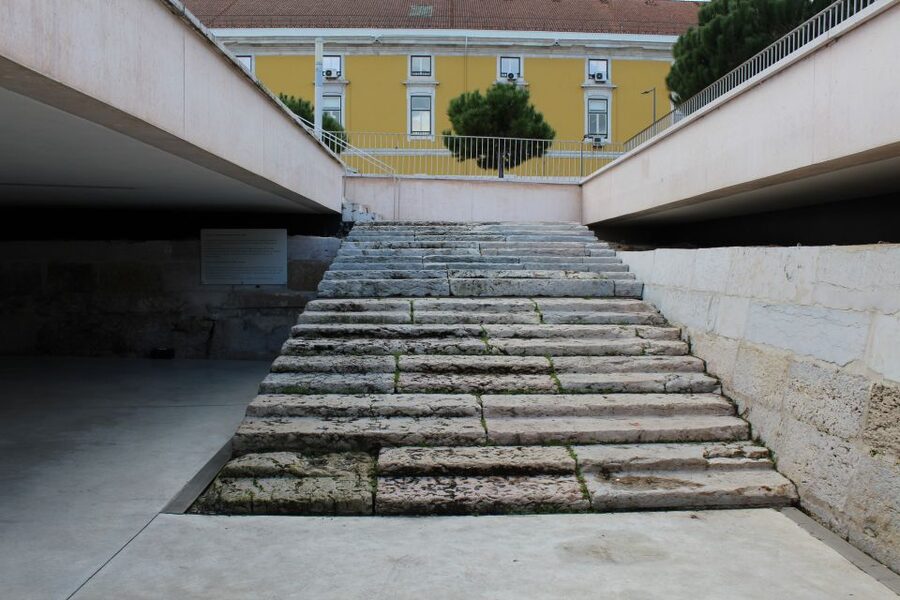
Praça do Comercio is one of Lisbon’s emblematic squares, and the tour treats it as a stage for major events in Portuguese history. It is also an important place for discussing the slave trade. The grandeur of the square can look very different once you consider the wealth and power connected to Portugal’s overseas activity.
A guide’s explanation helps you link the open space and imposing surroundings to the country’s past, rather than seeing the square as a handsome backdrop. It is an effective stop for understanding how national monuments can honor one version of history while leaving other experiences less visible.
The square is a central landmark, so you may already recognize it from other parts of your visit. On this tour, the change is in the lens: the focus is not only what happened here, but whose labor, lives and movement were part of the larger story.
Baixa traces African life in Portuguese society
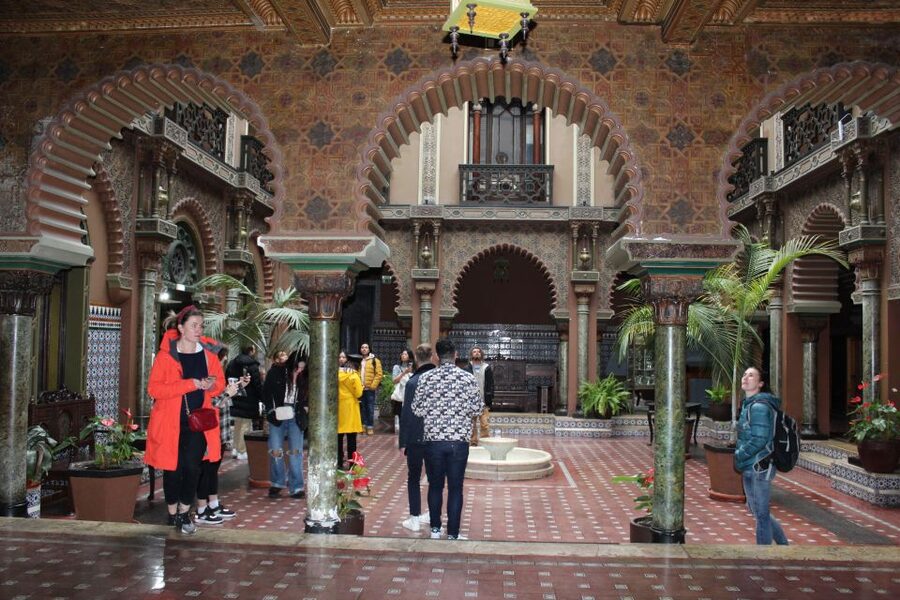
Baixa, Lisbon’s central neighborhood, was destroyed in the 1755 earthquake and later rebuilt. On this walk, it becomes a setting for discussing African interaction with Portuguese society. That moves the tour beyond arrival and trade toward the more complicated subject of how people lived, worked and became part of the country.
This is an important shift. A history focused only on ships and empires can make African people seem like figures at the edge of events. By asking how Africans participated in Portuguese society, the tour brings attention back to people and their roles in everyday life.
You will also see how a rebuilt city carries layers of history. The streets may look orderly compared with Alfama, but the guide’s commentary makes clear that social history does not disappear when a neighborhood is reconstructed.
More history tours in Lisbon:
- Lisbon: Live Fado Show with Port Wine in Historic Center
★ 4.7 · 4,166 reviews - Lisbon: Fado Show with Wine in a Historic Venue
★ 4.8 · 1,294 reviews - Explore Lisbon by Tuk Tuk: History and Viewpoints
★ 5.0 · 840 reviews - Lisbon: Daytime or Sunset Boat Cruise with History and Wine
★ 4.9 · 819 reviews
Rua Cor de Rosa brings women into the account
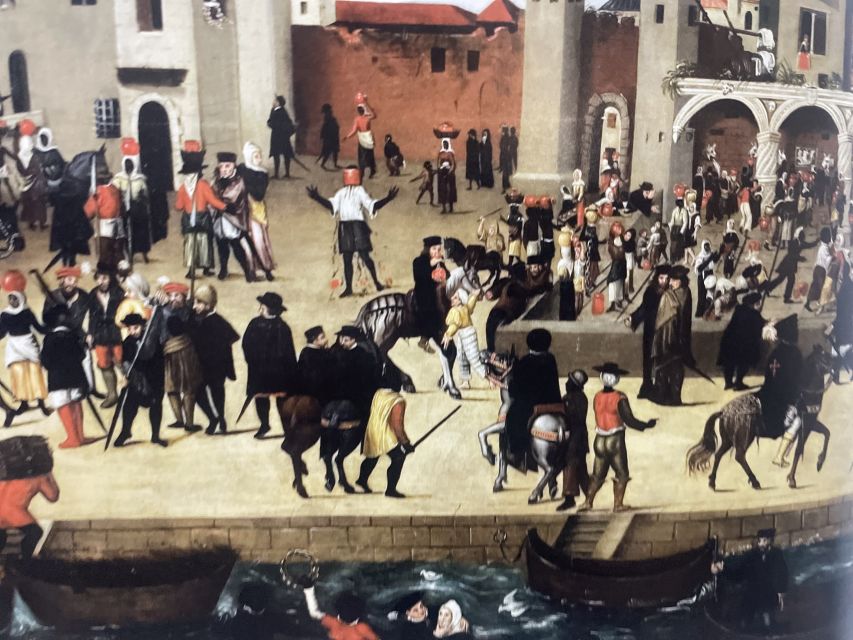
Rua Cor de Rosa is linked on the tour to African women who provided services there. The wording is broad, and the stop is best understood as a prompt to discuss women’s work and presence in Lisbon rather than a full account of their lives. It adds a gendered perspective to a route whose larger theme is often framed through trade, empire and social integration.
This is a useful reminder that history is not made only in grand squares or government buildings. Streets associated with work and daily survival can tell a different story about who lived in the city and how they made a place within it.
Do not expect a museum-style display at every stop. The tour’s format is a guided walk, and much of the detail comes through the guide’s explanation. If you value interpretation and questions, that suits the experience. If you want extensive on-site exhibits, this route is not designed for that.
Rossio explores integration and colonial history
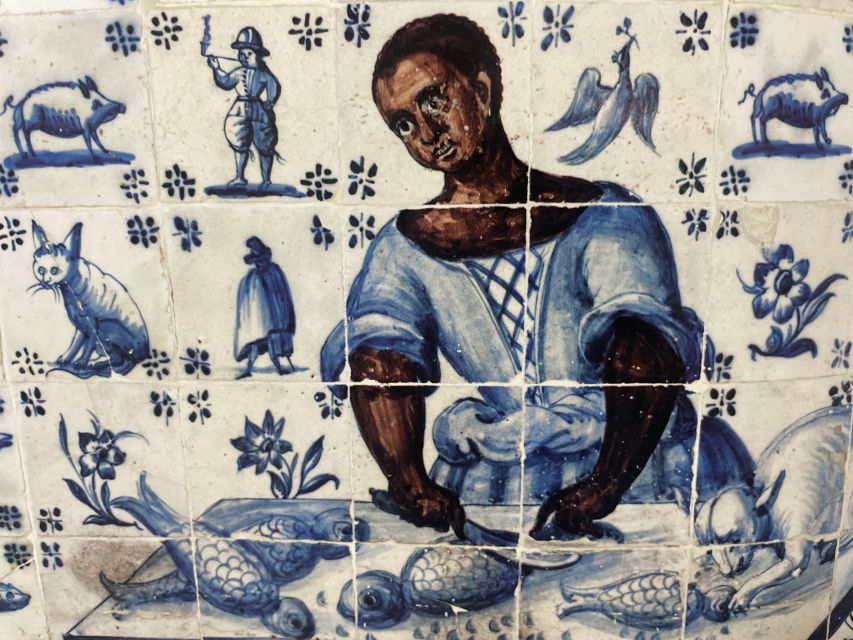
Rossio is one of central Lisbon’s busiest places. Here, the discussion turns to African integration and the creation of colonies. The stop places African history within the city’s public life and connects it to Portugal’s colonial ambitions.
The subject is not a simple story of inclusion. Integration, in this context, sits alongside unequal power and colonial rule. A good guide helps you hold those realities together rather than flattening the past into either a story of influence alone or one of oppression alone.
The tour’s broader strength is this movement between scales. You hear about individual presence in Lisbon, then connect it to the political choices that shaped Portugal’s relationship with Africa. That helps explain why African heritage is not an isolated chapter, but part of the city’s continuing history.
São Domingos adds faith and achievement
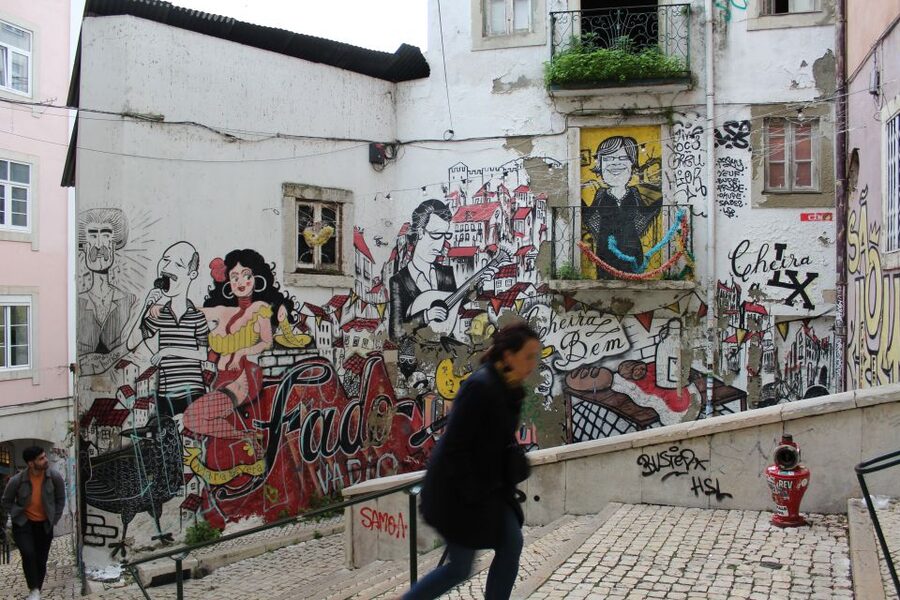
At the Church of São Domingos, the tour considers how Africans were integrated into Catholic religion and discusses their achievements. This gives the walk a religious dimension and offers another way to think about participation in Portuguese life.
Churches can be easy to read only as architectural spaces. Here, the guide uses the site to consider who belonged to religious communities, how that belonging took shape and what African contributions meant within them. The stop complements the earlier discussions of social class and public life.
The tour’s emphasis on achievement is valuable, especially alongside the difficult account of enslavement and empire. Both belong in the same history. One does not cancel out the other.
Rossio Station points toward Portugal’s imperial ambitions
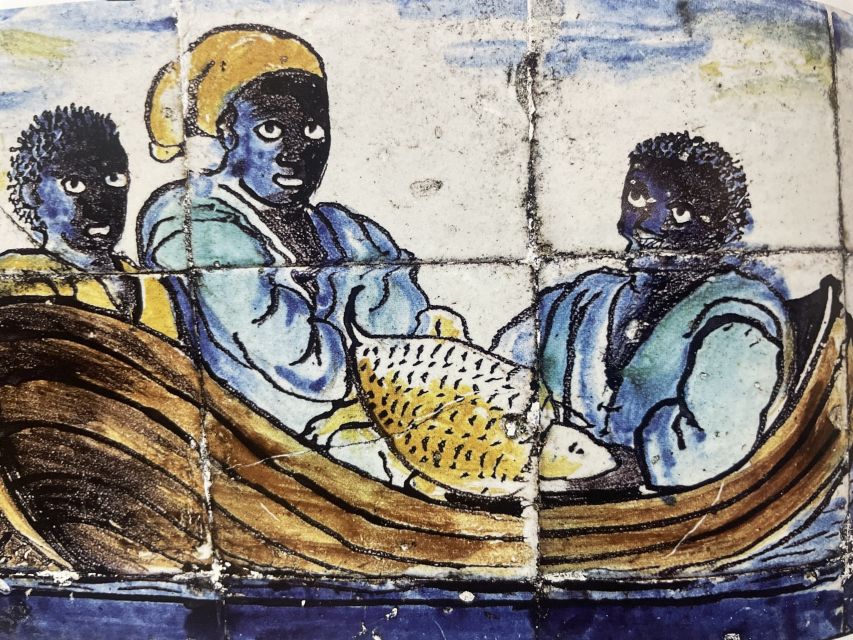
The route ends at Rossio train station, built in the 19th century in Manueline style. Its design is presented as a statement of Portugal’s golden age and an effort to claim a place among European powers that divided Africa into colonies at the Berlin Conference of 1884.
That connection gives the station more meaning than its function as a transport hub. The building’s style and symbolism help the guide discuss how a country represented itself at a time when European powers were asserting control over Africa. It is a striking final stop because it brings architecture, national identity and colonial history together.
The station also leaves you with a useful question: what does a city choose to celebrate in its public spaces, and what histories need to be brought back into view? That question captures the tour’s purpose better than a simple list of landmarks.
Three and a half hours, with real walking
The tour lasts 3.5 hours and includes a guide, a walking tour and a bottle of water. Food and other drinks are not included. One person who took the tour recalled a tasty snack break, but a snack is not listed as part of the experience, so bring money if you want to buy something along the way.
Wear comfortable shoes. The route includes uphill walking, especially relevant in older parts of Lisbon, and the experience is not suitable for people with mobility impairments. The meeting point is A Padaria Portuguesa. Hotel pickup and drop-off are not included, so plan to reach the starting point yourself.
Live guiding is available in English, Spanish and Portuguese. The guide’s style matters here because the tour relies on historical explanation at each location. Past guides named Jose, Al, Alcides and Alfie have been praised for friendly, clear explanations and for answering questions. Your assigned guide may be someone else.
The booking terms offer flexibility: you can reserve now and pay later, and cancel up to 24 hours in advance for a full refund. Check available start times before choosing a date.
Is $176 worth paying for this walk?
At $176 per person, this is an expensive walking tour. The cost is easier to justify if you want a specialist account of African heritage and Portugal’s past, with a guide who can connect the city’s buildings and neighborhoods to slavery, religion, social life and colonialism. It is less compelling if your main goal is a quick orientation to Lisbon or a general overview of the sights.
The strongest value is the perspective. Several people who took the walk described learning about aspects of the city that other tours had not covered, and the guide’s ability to weave together people, culture and time was a repeated point of praise. That kind of interpretation can reshape what you notice during the rest of your stay.
I would take it early in a Lisbon visit if this history matters to you. One person specifically found it useful on the first day because it filled in information other tours had left out. You can then return to familiar landmarks with a more informed eye.
Should you book the African History and Heritage Walking Tour?
Book this tour if you want to understand Lisbon through African history, are comfortable with a substantial walk and value a guide-led explanation more than a quick checklist of sights. It is especially suited to curious visitors who want to connect Moorish influence, the slave trade, African participation in Portuguese society, Catholic life and colonial history.
Think twice if the price strains your budget, you need a step-free route or you are looking for a light, general-interest stroll. For the right person, the tour offers a serious and memorable way to see the city’s familiar places differently.
FAQ
How long is the Lisbon African History and Heritage Walking Tour?
The tour lasts 3.5 hours.
Where does the walking tour meet?
Meet your guide at A Padaria Portuguesa.
What languages are available?
The live guide is available in English, Spanish and Portuguese.
What is included in the price?
The price includes a guide, the walking tour and a bottle of water.
Are food and drinks included?
Food and drinks are not included. A bottle of water is provided.
Does the tour include hotel pickup and drop-off?
No. Hotel pickup and drop-off are not included.
Is the route suitable for people with mobility impairments?
No. The tour is not suitable for people with mobility impairments. The walk also includes uphill stretches, so comfortable shoes are a good idea.
Can I cancel for a refund?
Yes. You can cancel up to 24 hours in advance for a full refund.
Lately reviewed in Lisbon
- Lisbon: Sunset and Wine Luxury Catamaran Cruise★ 5.0 · 17 reviews
- Lisbon Sunset Boat Tour with local Snacks & Drinks★ 4.9 · 11 reviews
- Lisbon: Street Art Tour★ 4.7 · 66 reviews
- Lisbon: Streets of Alfama Private Segway Tour 1.5hour★ 4.8 · 15 reviews
- Lisbon: Sunset Boat Party with 2 Drinks and Free Club Entry★ 3.9 · 93 reviews
- Tuk Tuk Lisbon: Street Art 2-Hour★ 5.0 · 6 reviews
- Lisbon 3-Hour Street Art Tour★ 4.6 · 63 reviews
- Lisbon Street Art Tour★ 5.0 · 4 reviews
Lisbon Walking Tours, compared.

Best of Lisbon Small-Group Guided Walking Tour
Read our review →
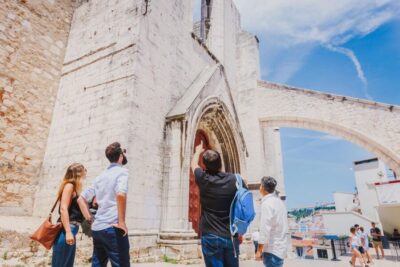
Best of Lisbon Walking Tour: Rossio, Chiado & Alfama
Read our review →
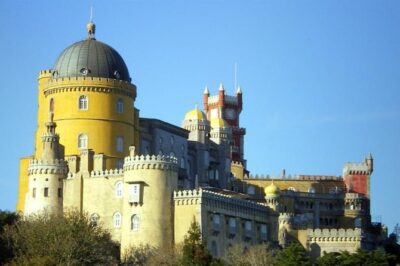
Sintra & Cascais Day Tour with Pena Palace Entry and Gardens Walk
Read our review →
Lisbon Roots – Small group Food & Culture Walking Tour w/tastings
Read our review →
Starter Walking Tour to the highlights in German
Read our review →Browse the lists this tour appears in