
Reviewed · BATALHA MONASTERY TOURS
Batalha Monastery: Private Tour
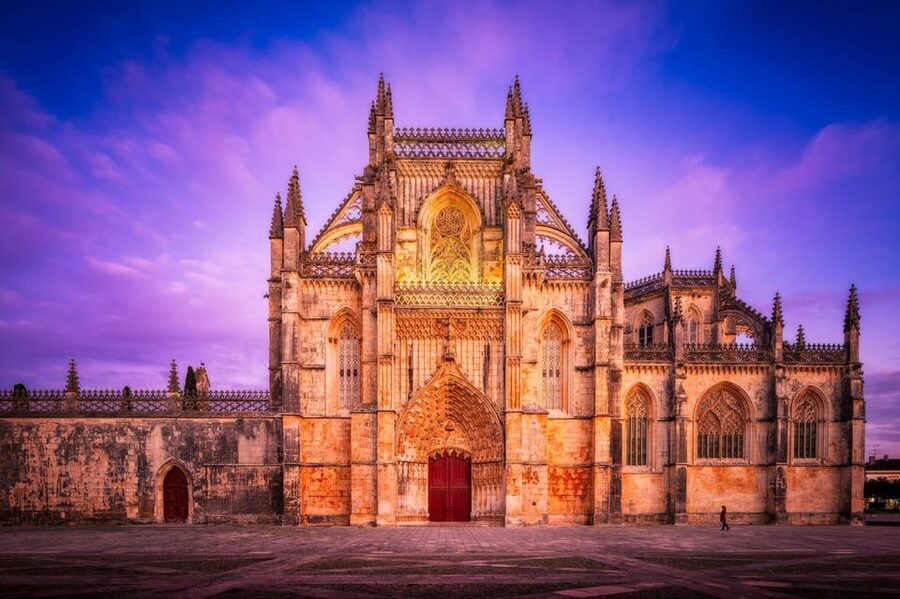
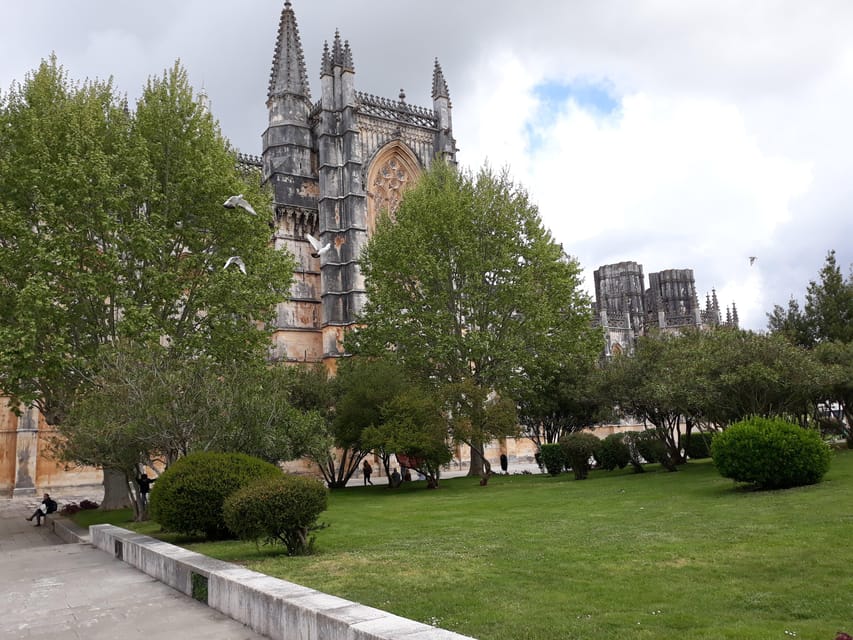
Batalha Monastery turns a military victory into stone, glass, and royal memory. Built to commemorate Portugal’s victory at Aljubarrota, it became a national symbol of independence and a landmark of late Gothic and Manueline architecture. A private guide helps connect the building’s fine details to the story behind it.
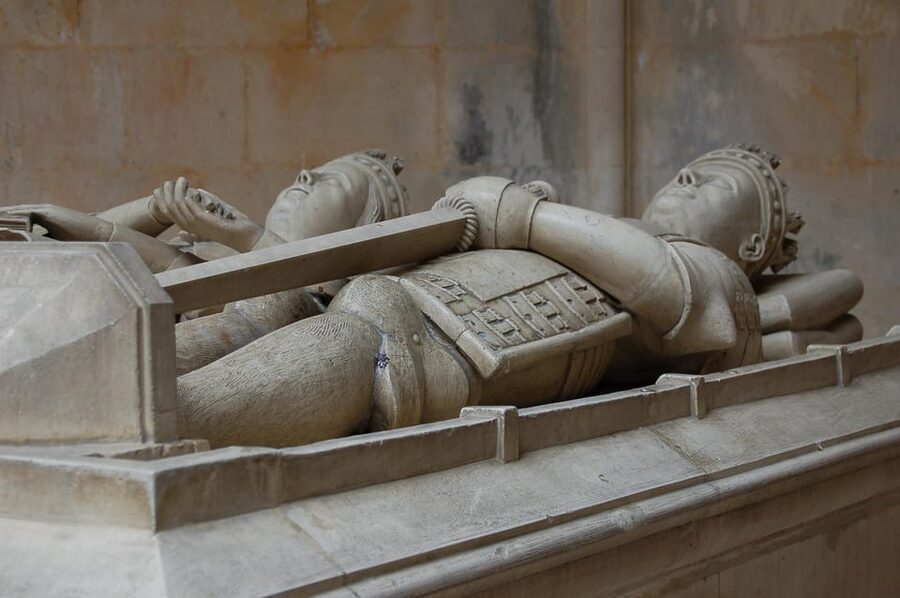
I like two things in particular: the chance to see the royal pantheon, with the tombs of João I and Queen Filipa, and the personal pace of a private two-hour tour. Guides João and JP are names associated with this experience, and a good guide can answer questions while also offering tips for other towns to visit.
One practical drawback: monastery admission is not included in the $53-per-person tour price, so budget for tickets separately. Two hours gives you a useful introduction, but the monastery is large enough that you may want extra time afterward to revisit the spaces that catch your eye.
- A victory made visible: The monastery commemorates Portugal’s win at the Battle of Aljubarrota and its fight for national independence.
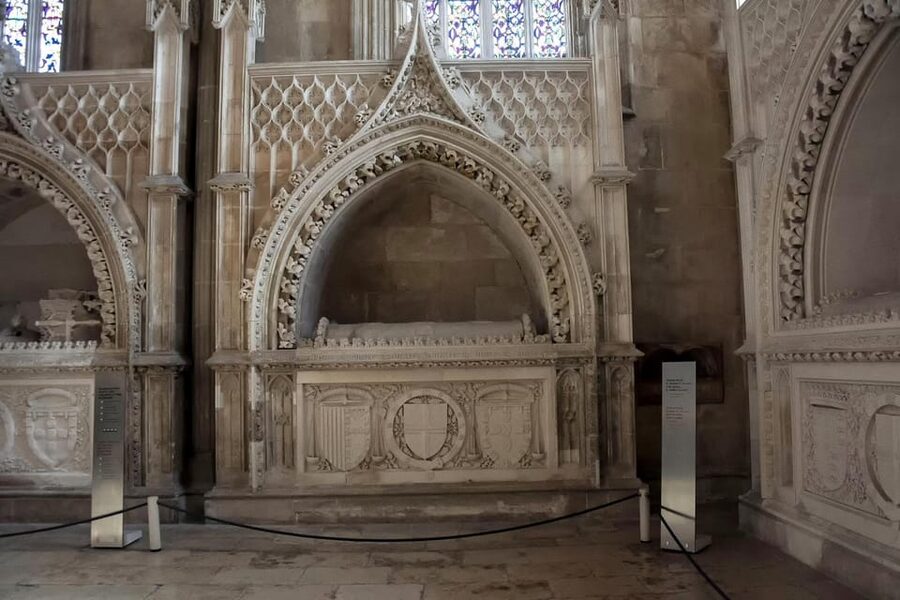
- A royal resting place: The pantheon includes King João I, Queen Filipa de Lencastre, and other members of the royal family.
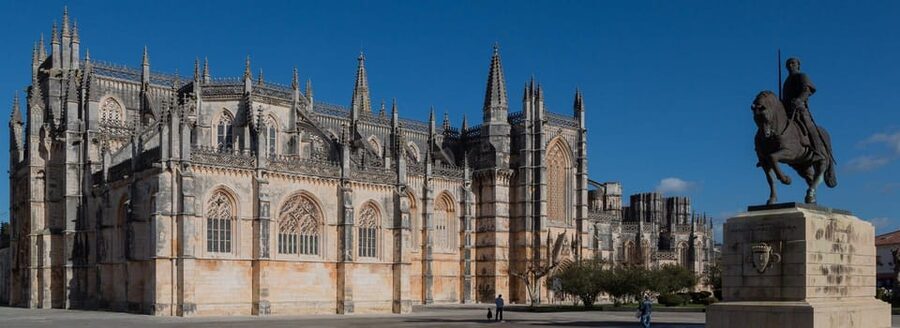
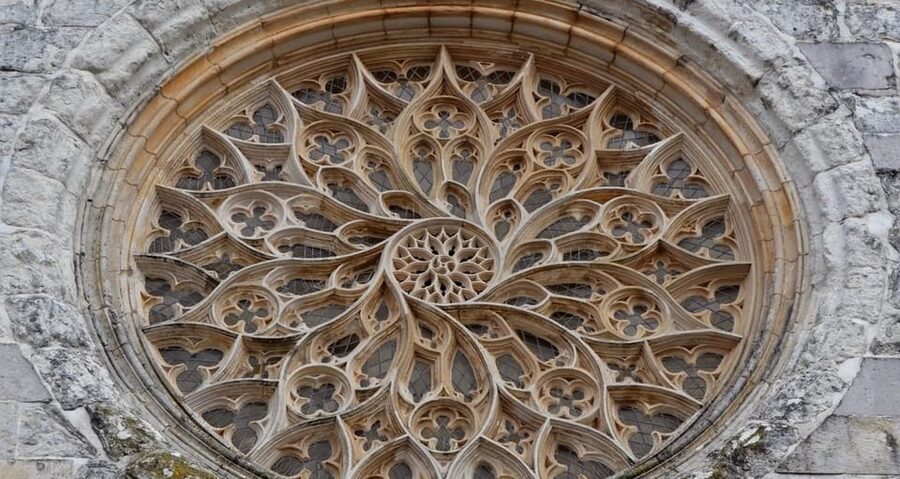
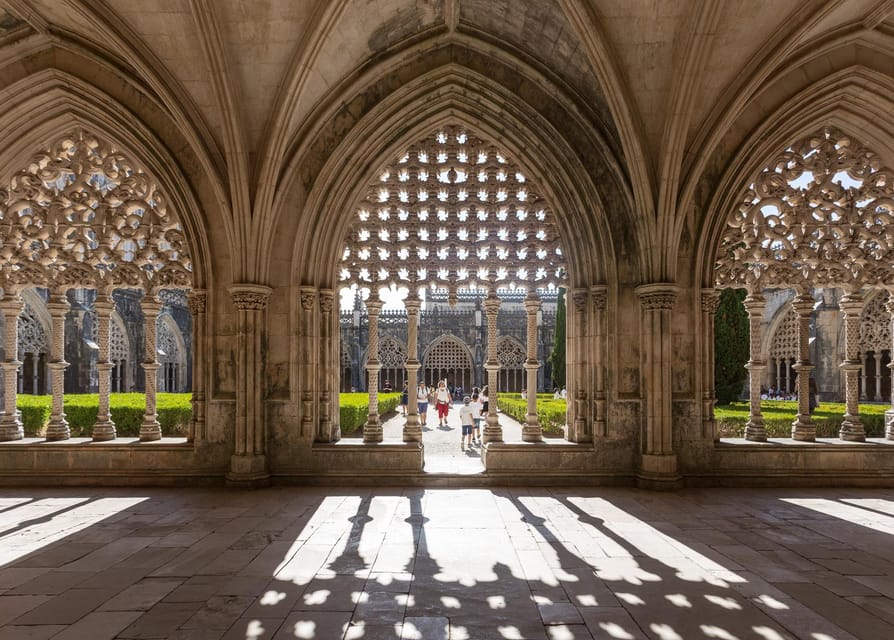
- Gothic meets Manueline: Look for the building’s late Portuguese Gothic design and later Manueline details.
- Stained glass with a long story: The monastery’s church had the country’s first stained-glass windows.
- A guide just for your group: The two-hour visit is private, with tours offered in English or Portuguese.
- Admission costs extra: The $53 price covers the guide and insurance, not entry to the monastery.
Why Batalha Monastery deserves your time
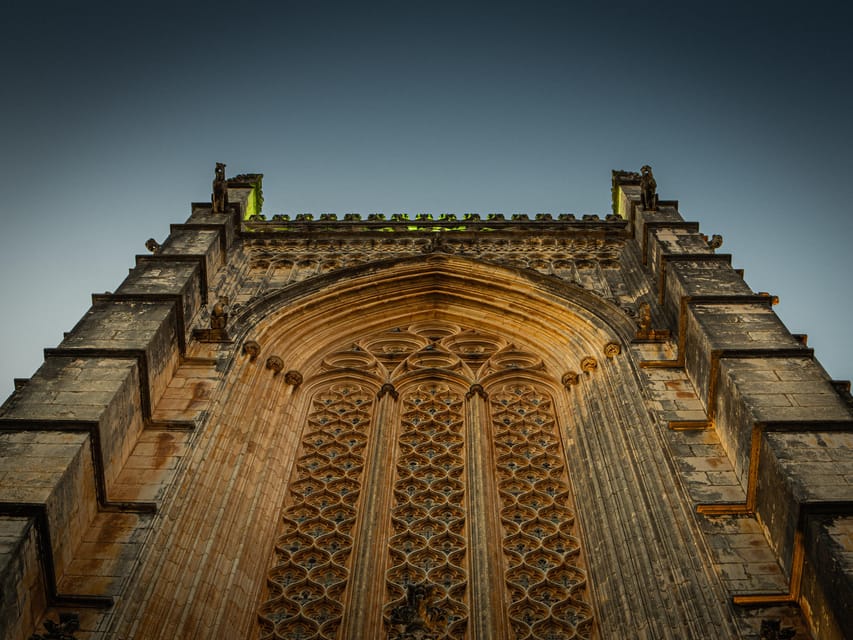
Batalha is more than a beautiful church with an impressive façade. Its origins reach back to a decisive moment in Portuguese history: the victory at Aljubarrota, which helped secure the country’s independence from Castile. The monastery was built to mark that turning point, so the architecture carries a national story as well as a religious one.
That makes a guided visit especially useful. Without context, you can admire the scale, stonework, stained glass, and tombs, but miss why the building was made and what its different spaces meant. Your guide can tie those visible details to the royal family, the Dominican monks who lived and worshiped here, and the period when Portugal began looking outward toward exploration.
The monastery dates to the 14th century and brings together late Portuguese Gothic and Manueline styles. You do not need to know architectural terms in advance. A guide can point out the shift in style and help you read the building as something shaped over time, rather than as a single, uniform design.
The private format changes the pace
This is a private group tour, not a larger outing where you have to keep up with a crowd. That matters at a place with architectural details worth pausing over. You can ask about a tomb, a stained-glass panel, or a feature you do not recognize, then spend a little longer on the parts that interest you.
The listed languages are English and Portuguese. Guides João and JP are names associated with the experience. The guide is central to the value here: the monastery’s significance spans royal history, religion, architecture, and the Portuguese Discoveries. A personal conversation can make those connections easier to follow than a quick look around on your own.
There is also room to ask broader questions. João has been praised for sharing tips about other towns to visit, which may be useful if Batalha is one stop on a wider trip. Treat that as a possible bonus rather than a promised part of the tour. The main job is to help you understand the monastery.
More Batalha and Alcobaça trips in Lisbon:
- From Lisbon: Fátima, Nazaré, Batalha, and Óbidos Guided Tour
★ 4.7 · 3,060 reviews - From Lisbon: Fatima Batalha Nazaré & Óbidos Small-Group Tour
★ 4.7 · 2,563 reviews - From Lisbon: Fátima, Nazaré, Batalha and Óbidos Guided Tour
★ 5.0 · 922 reviews
Starting at the monastery
The tour begins at Batalha Monastery itself, and the guided visit lasts two hours. There is no separate transfer or additional stop in the stated itinerary. You meet at the site and focus your time on the monument.
That direct start is simple, but it also means you should plan your arrival and admission separately. Tickets are not included in the tour price. Check the current entry arrangements before you go, and leave enough time to get your ticket so the guided portion can begin without a scramble.
The tour description does not specify a fixed route through the complex. Your guide leads the visit, and the order may depend on the day and the group’s interests. The central focus is the monastery, including its church, royal pantheon, and architectural features.
The church, stained glass, and Gothic design
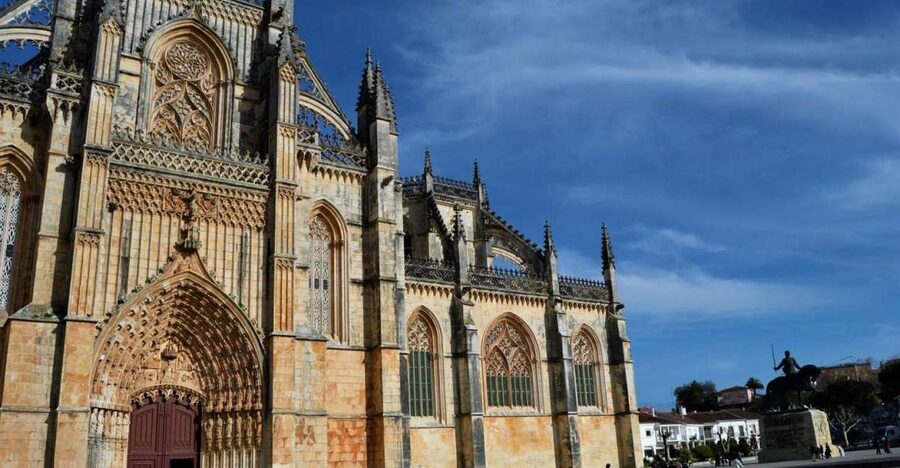
The church is one of the monastery’s great draws. Its late Gothic architecture gives the visit a strong sense of height and ceremony, while the stained glass brings color into the stone interior. The windows are notable not just as decoration: this was the first church in Portugal to have stained glass.
Look for the interplay between the building’s structure and its light. Stonework can feel formal and imposing; colored glass changes the mood and gives the interior another layer to notice. Your guide can explain what you are seeing and why the monastery became a landmark of Portuguese architecture.
The wider complex also includes Manueline elements, a Portuguese style associated with the era of the Discoveries. You will not need to sort every detail into a style category to enjoy the visit. It is enough to notice that the building reflects more than one period of design, and to ask your guide to point out the features that best show the difference.
The royal pantheon and the people inside it
The royal pantheon is a highlight for visitors interested in Portugal’s monarchy and national story. It is the resting place of King João I and his British-born queen, Filipa de Lencastre, as well as other royal family members. Their tombs give the monument a human focus: the history is not only about battles and architecture, but also about the people who shaped the kingdom.
The pantheon is also linked to the age of Portuguese exploration. Among those associated with the monastery are King João II and Henry the Navigator, figures connected to the Portuguese Discoveries. The monastery’s story therefore reaches beyond the site itself, pointing toward the expansion that helped Portugal become a global empire.
A guide is valuable here because names and royal relationships can blur together quickly. Ask who is buried where and how the figures relate to the monastery’s founding and later history. The tour is private, so you can take time to make sense of the family connections rather than simply moving past the tombs.
More private tours in Lisbon:
- True 4Hour Private Tuk Tuk Tour: Discover Lisbon with a Local!
★ 5.0 · 8,008 reviews - Lisbon: Private Guided Tuk-Tuk Tour with Hotel Pickup
★ 4.9 · 4,552 reviews - Lisbon Highlights: Private Tuk Tuk Tour Adventure Sightseeing
★ 5.0 · 3,284 reviews - Sintra Full-Day Private Tour – A Journey through Wonderland
★ 5.0 · 1,665 reviews
From Aljubarrota to national independence
The monastery commemorates Portugal’s victory at the Battle of Aljubarrota against Castile. That victory became a defining marker of national independence and ushered in a new era in Portuguese history. The building turns that political memory into a place of worship and royal burial, joining national identity with religious devotion.
This context changes how the monastery feels. It is not simply an old religious building preserved for its beauty. Its founding purpose was public and political as well as spiritual: it gave lasting form to a victory that mattered to the Portuguese crown and the country’s future.
The monastery was dedicated to the Virgin Mary and run by Dominican monks, who lived and worshiped there for more than 600 years. That long religious life helps explain why the complex is more than a royal monument. The guided visit can help you hold both strands in mind, the state’s story and the daily religious purpose of the place.
What two hours can cover
Two hours is a practical length for a guided introduction. It gives you time to explore the main features and ask questions without making the monastery the entire day’s commitment. If you are especially interested in architecture, royal history, or religious buildings, you may want to leave time afterward to look around again at your own pace.
The tour is not described as a full-day visit, and it does not include other towns or transportation. Its focus stays on Batalha Monastery. That is a strength if you want depth at one major site, but less ideal if you are looking for a broader Silver Coast excursion with several stops.
Because the group is private, the time can feel more flexible than a large-group walk. Still, two hours is finite, and the complex has plenty to take in. Decide what matters most to you before you arrive: the architecture, the pantheon, the history of Aljubarrota, or the links to the Discoveries. You can ask your guide to give those subjects extra attention.
Is $53 per person good value?
At $53 per person, the price buys a private guide and insurance for a two-hour visit. It does not include monastery tickets. The value depends partly on how many people are in your group: the per-person cost is easier to justify if you are sharing the private guide with family or companions, while a solo visitor should weigh the cost against the benefit of a personal explanation.
You are paying for interpretation, not entry. That distinction matters at Batalha, where the building’s importance comes from the story behind its design and royal tombs as much as from its visual appeal. If you enjoy asking questions and want a clearer grasp of the history, a guide can make the admission and visit more meaningful.
If you prefer to wander quietly and read at your own pace, you may be content with a self-guided visit. But if you want help connecting the monastery to Aljubarrota, the royal family, the Dominicans, and Portugal’s maritime era, the private format offers a direct way to do that.
Who should book this tour?
I would consider this tour a good fit if you are drawn to Gothic architecture, royal history, or the story of Portugal’s independence. It also suits visitors who want a guide they can question rather than a fixed group experience. The two-hour format makes sense if Batalha is part of a day that includes other plans.
It is especially useful if this is your first visit to the monastery. The guide can help you spot details that might otherwise pass unnoticed and explain why the site matters beyond its appearance. If you already know the history well, you may find the value depends more on your interest in a personal architectural tour.
The main trade-off is cost. Admission is separate, and the tour price is per person, so calculate the full cost for your group before booking. In return, you get a private guide and a focused visit at one of Portugal’s most important monasteries.
Booking details to check
The tour lasts two hours and is available in English or Portuguese. It is offered for private groups, and the stated price is $53 per person. Check availability for the start times that suit your plans, since no fixed departure time is provided here.
The guide and insurance are included; monastery admission is not. You can reserve now and pay later, and cancellation up to 24 hours in advance qualifies for a full refund. Keep these terms in mind when comparing the guided visit with a self-guided stop.
Should you book?
Book the private tour if you want Batalha to make sense as more than an architectural photo stop. The royal pantheon, stained glass, Dominican history, and commemoration of Aljubarrota give the site several layers, and a guide can bring them together in two focused hours.
Skip it if you mainly want to wander independently or are watching every cost, since tickets are extra and the per-person price adds up. For a first visit, especially with questions about Portuguese history or architecture, the private format is a solid way to get more from the monastery.
FAQ
How long is the Batalha Monastery private tour?
The guided visit lasts two hours.
What languages are available?
The live tour guide speaks English or Portuguese.
Are monastery tickets included?
No. Tickets for Batalha Monastery are not included. The tour includes a guide and insurance.
Is this a private tour?
Yes. The activity is for a private group.
What does the tour focus on?
It focuses on Batalha Monastery, including its architecture, royal pantheon, and historical significance.
Can I cancel for a refund?
Yes. You can cancel up to 24 hours in advance for a full refund.
Lately reviewed in Lisbon
- Lisbon: Sunset and Wine Luxury Catamaran Cruise★ 5.0 · 17 reviews
- Lisbon Sunset Boat Tour with local Snacks & Drinks★ 4.9 · 11 reviews
- Lisbon: Street Art Tour★ 4.7 · 66 reviews
- Lisbon: Streets of Alfama Private Segway Tour 1.5hour★ 4.8 · 15 reviews
- Lisbon: Sunset Boat Party with 2 Drinks and Free Club Entry★ 3.9 · 93 reviews
- Tuk Tuk Lisbon: Street Art 2-Hour★ 5.0 · 6 reviews
- Lisbon 3-Hour Street Art Tour★ 4.6 · 63 reviews
- Lisbon Street Art Tour★ 5.0 · 4 reviews
Batalha Monastery Tours, compared.
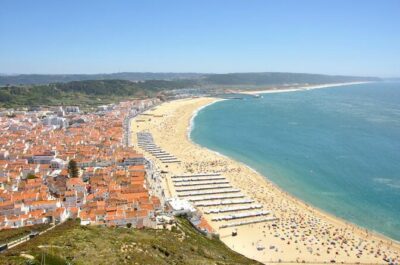
Fátima, Nazaré, Batalha, and Óbidos Guided Tour
Read our review →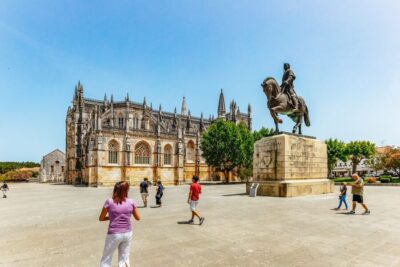
Fatima Batalha Nazaré & Óbidos Small-Group Tour
Read our review →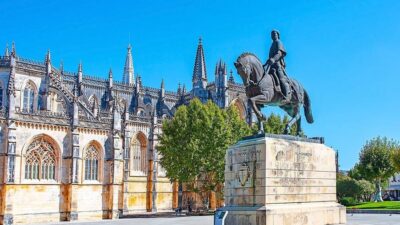
Fatima, Batalha, Nazare, Obidos – Small Group
Read our review →
Fátima, Batalha, Nazaré, and Obidos Tour by Van
Read our review →
The Best of the West – Fátima, Nazaré, Óbidos & Batalha
Read our review →
Fatima, Batalha, Nazare and Obidos Tour Hotel Pickup
Read our review →
Browse the lists this tour appears in