
Reviewed · BATALHA MONASTERY TOURS
Alcobaça: Discover the Monastery with a Local Guide Tour
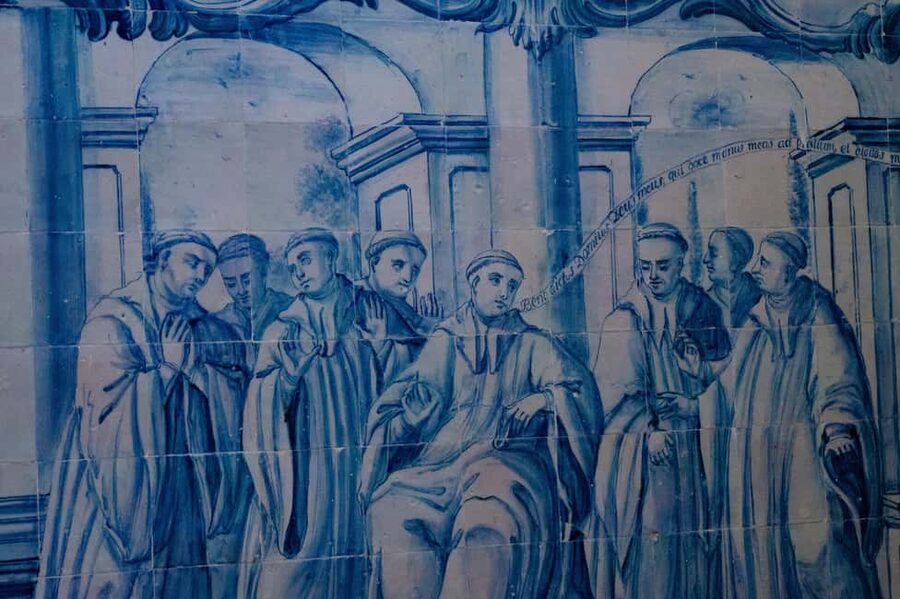
Alcobaça’s church tells two stories at once: the rise of Portugal’s early Gothic architecture and the royal love story of Pedro and Inês, whose carved tombs face each other across the church. I like that this tour connects those dramatic sights to the Cistercian monks who shaped the region, and that it goes beyond the church to include the kitchen, dormitory, and library.
I also like the chance to ask questions as you go. Guides Ana and Wilson have earned particular praise for clear explanations, humor, and willingness to respond beyond a prepared narration. One practical caution: the access information is contradictory about wheelchair use, so check with Open Roads Portugal before booking if you need step-free access.
What to Know Before You Go
- Pedro and Inês’s tombs bring royal history into focus: Their intricate carvings give the monastery’s tragic love story a striking, personal presence.
- The church is an early Gothic landmark: Its three-aisle design is described as unique among churches from the 12th and 13th centuries.
- The monks’ rooms add everyday detail: The tour includes access to the kitchen, dormitory, and library, not just the grand church.
- Cistercian ideals meet practical enterprise: Learn how monks who took vows of poverty managed a productive estate and helped transform local agriculture.
- The guide can shape the experience: English and Portuguese tours are available, and visitors have singled out Ana and Wilson for clear explanations and lively delivery.
- Plan for a short, focused visit: The guided tour lasts 1.5 hours, costs $47 per person, and begins outside the monastery church entrance.
Why Alcobaça Is More Than a Beautiful Church
The Monastery of Santa Maria de Alcobaça is one of those places where architecture, religion, and national history are hard to separate. Its scale and Gothic lines catch your eye first. A guide helps you see why the monastery mattered beyond its appearance: it was a center of Cistercian life, a major estate, and part of the story Portugal told about its own royal authority.
The monastery’s origins reach back to 1153, when King Afonso Henriques donated the land to Bernard of Clairvaux. The gift fulfilled a promise made during the Reconquest, linking the monastery’s foundation to the political and religious events of Portugal’s early formation. That background gives the building a different weight. You are not only looking at a place of prayer, but at an institution tied to the consolidation and legitimacy of the Portuguese Crown.
A 90-minute guided visit is a sensible way to make sense of that layered story. You will see the principal spaces and hear how they connect, rather than simply moving through a large complex with a camera. The tour is short enough to fit into a day trip, yet includes several parts of the monastery that help explain how monastic life worked.
More Batalha and Alcobaça trips in Lisbon:
- From Lisbon: Fátima, Nazaré, Batalha, and Óbidos Guided Tour
★ 4.7 · 3,060 reviews - From Lisbon: Fatima Batalha Nazaré & Óbidos Small-Group Tour
★ 4.7 · 2,563 reviews - From Lisbon: Fátima, Nazaré, Batalha and Óbidos Guided Tour
★ 5.0 · 922 reviews
Starting at the Church Entrance
The meeting point is in front of the entrance to the monastery church. From there, the guide begins with the grand façade, whose scale and craftsmanship introduce the site before you step inside. The exterior is more than a photo stop: it sets up the monastery’s long history of devotion, building, and change.
The church is the architectural heart of the visit. Its three-aisle design is described as unique among churches built in the 12th and 13th centuries, and the guide explains how its spare, ordered form reflects Cistercian priorities. The order valued simplicity and spiritual focus, so the building’s design is part of the lesson, not just a backdrop to it.
This is an especially useful stop if Gothic architecture is new to you. Rather than expecting you to recognize details on your own, the guide can point out what makes the church an early Portuguese Gothic masterpiece and explain the ideas behind its form. The tour is in English or Portuguese, so choose the language in which you can follow the historical detail most comfortably.
The Cistercians and Bernard of Clairvaux
The monastery’s founding story leads naturally to the Cistercian Order and Bernard of Clairvaux, one of its most influential figures. The guide connects the land donation of 1153 to the order’s arrival and to the king’s promise during the Reconquest. It is a useful way to understand why a monastery was established here and why the Crown invested in religious institutions.
The Cistercians’ emphasis on discipline and simplicity can seem at odds with the monastery’s size and influence. That contrast is part of what makes the visit interesting. The monks upheld a vow of poverty, yet lived and worked within an institution responsible for a large, productive estate.
Their agricultural work changed the region. The monks used innovative techniques to help make the surrounding area one of Portugal’s most fertile agricultural zones. You get a clearer picture of their role when the tour links the spiritual life of the monastery to the practical work of managing land, food, and resources.
This part of the visit also explains the monastery’s political purpose. The Crown’s support for the religious community helped give spiritual weight to royal power. That connection makes the monastery a good stop for anyone interested in how medieval religion and politics reinforced one another.
Pedro and Inês in the Royal Pantheon
The Royal Pantheon offers a more intimate change of pace. Here, the tour turns to the kings and queens buried at Alcobaça and, especially, to Pedro and Inês. Their story is tragic, and the carved tombs give it a powerful physical setting within the church.
The tombs are among the most memorable details of the visit because they make a familiar-sounding royal tale feel close at hand. You can study the intricate carving while the guide explains the story and its place in Portuguese memory. The tombs are also a reminder that this monastery was not only a religious house. It served as a royal burial place, tying dynastic history to sacred space.
Give yourself a moment to look closely rather than treating the tombs as a quick stop for a photograph. The guide provides the context, but the detail in the stone is worth your attention. If royal history is your main interest, this is likely to be one of the tour’s highlights. If you prefer architecture or daily life, the church and the monks’ rooms offer other strong reasons to come.
More guided tours in Lisbon:
- Best of Lisbon Small-Group Guided Walking Tour
★ 5.0 · 4,869 reviews - Lisbon: Private Guided Tuk-Tuk Tour with Hotel Pickup
★ 4.9 · 4,552 reviews - Guided Tour to Sintra, Pena, Regaleira, Cabo da Roca and Cascais
★ 5.0 · 2,978 reviews - Lisbon: São Jorge Castle E-Ticket and Audio Guide
★ 4.3 · 2,182 reviews
Chapter Room, Cloister, and Monastic Routine
In the Chapter Room, the focus shifts from kings and grand architecture to the monks who lived and worked here. This space helps bring the community’s routines into view, including the tension between a vow of poverty and the management of a large estate. The point is not to portray monastic life as either purely austere or purely prosperous, but to show how spiritual commitments and practical responsibilities coexisted.
The Cloister of Silence offers a quieter setting. Monks used it for meditation, and its name captures the reflective purpose of the space. After the church and royal tombs, the cloister helps you imagine the monastery as a place of repeated daily habits, not just a monument built for ceremony.
The route also includes access to the monks’ dormitory and library. Those spaces matter because they expand the story beyond public worship. The dormitory points to communal living, while the library speaks to the work of reading and preserving knowledge within the monastery. The supplied details do not specify exactly how much time is spent in each room, so expect a guided overview rather than a long, independent visit to every space.
The Medieval Kitchen and Refectory
The kitchen is one of the tour’s most practical stops. Its medieval hydraulic engineering shows how the monastery handled the basic demands of a large community. The guide connects the working design to the monks’ daily lives, giving you a different angle on the site than the church’s soaring architecture.
The Refectory brings the tour to the subject of meals and discipline. Here, you hear about the monks’ austere diets and the place of food in a life shaped by religious rules. It is a useful reminder that a monastery depended on routines as much as on prayer: people had to cook, eat, and keep a complex household running.
Taken together, the kitchen and refectory are among the most distinctive parts of this visit. They make the monastery easier to picture as a functioning community. You leave with a better sense of how the monks supported themselves and maintained an estate, not only how they worshipped.
What the Guides Add
A strong guide matters at Alcobaça because the site has several stories unfolding at once. The architecture, religious order, royal burials, agriculture, and politics can feel like separate subjects unless someone connects them. The tour’s best value is not simply getting inside the main rooms, but having an informed guide explain why they belong together.
Ana has been praised for precise explanations and a warm manner. Wilson has been remembered for knowing the grounds, buildings, and history, while using humor to keep the material lively. The praise for both guides points to a useful quality for this particular visit: clear storytelling that can hold your attention without reducing the monastery to a string of dates.
You can also ask questions beyond the prepared narration. That flexibility is helpful if a detail catches your interest or if you want to understand a point more fully. A guided tour is especially worthwhile here if you do not already know much about the Cistercians or early Portuguese history. If you prefer to move at your own pace and spend long stretches studying individual rooms, a guided 90-minute route may feel brisk.
Is $47 a Good Value for 90 Minutes?
At $47 per person, this is not a bare entry ticket. The price includes a live guided tour of the monastery, with access to the monks’ dormitory, kitchen, and library. You are paying for an organized explanation of the site as well as entry to spaces that help reveal its daily life.
The value depends on how you like to visit historic buildings. If you want context and an expert to connect architecture, royal history, and monastic routines, the guided format can make a short visit far more useful. If you are content to admire the church without much background, you may not get as much from the added cost.
The 1.5-hour duration is a practical middle ground. It gives the guide time to cover the church, tombs, cloister, and working spaces without taking over your whole day. Starting times vary, so check availability when planning. Private groups are available, which may suit you if you would rather keep the visit to your own party.
Practical Details and Who Should Book
Dress modestly because the monastery is a religious site, and do not bring food or drinks inside. The meeting point is outside the entrance to the church, so arrive there ready to begin rather than expecting a pickup elsewhere.
There is conflicting information about accessibility. The activity details describe the tour as wheelchair accessible, but also say it is not suitable for wheelchair users or people with mobility impairments. If you rely on step-free access or have mobility concerns, contact Open Roads Portugal before booking and ask specifically about the route and rooms included.
The tour is not suitable for children under six. For older children, the tombs, royal story, and medieval kitchen may hold attention, but the experience is still a history-focused guided visit rather than a children’s activity.
I would recommend this tour to you if Alcobaça is a priority, you enjoy learning the story behind a building, and you want to see more than the main church. It is particularly useful for visitors curious about Portugal’s early monarchy, Gothic architecture, or monastic life. You may prefer an unguided visit if you want complete freedom to linger or move quickly.
Book it if you want a compact, well-explained introduction to the monastery and its most important spaces. Before paying, settle the accessibility question if it affects your plans, and choose a language that lets you follow the guide easily.
FAQ
How long is the tour?
The guided visit lasts 1.5 hours.
Where does the tour begin?
Meet the guide in front of the entrance to the monastery church.
What languages are available?
Live tours are offered in English and Portuguese.
What parts of the monastery are included?
The tour includes the Monastery of Santa Maria de Alcobaça and access to the monks’ dormitory, kitchen, and library. The route also covers the church, Royal Pantheon, Cloister of Silence, Chapter Room, and Refectory.
How much does the tour cost?
The listed price is $47 per person.
Can I book a private group?
Yes. A private group is available.
Is the tour suitable for wheelchair users?
The access information is inconsistent: it describes the activity as wheelchair accessible, but also says it is not suitable for wheelchair users or people with mobility impairments. Contact Open Roads Portugal to confirm before booking.
Are food and drinks allowed inside?
No. Food and drinks are not allowed inside the monastery.
Lately reviewed in Lisbon
- Lisbon: Sunset and Wine Luxury Catamaran Cruise★ 5.0 · 17 reviews
- Lisbon Sunset Boat Tour with local Snacks & Drinks★ 4.9 · 11 reviews
- Lisbon: Street Art Tour★ 4.7 · 66 reviews
- Lisbon: Streets of Alfama Private Segway Tour 1.5hour★ 4.8 · 15 reviews
- Lisbon: Sunset Boat Party with 2 Drinks and Free Club Entry★ 3.9 · 93 reviews
- Tuk Tuk Lisbon: Street Art 2-Hour★ 5.0 · 6 reviews
- Lisbon 3-Hour Street Art Tour★ 4.6 · 63 reviews
- Lisbon Street Art Tour★ 5.0 · 4 reviews
Batalha Monastery Tours, compared.
Fátima, Nazaré, Batalha, and Óbidos Guided Tour
Read our review →
Fatima Batalha Nazaré & Óbidos Small-Group Tour
Read our review →
Fatima, Batalha, Nazare, Obidos – Small Group
Read our review →
Fátima, Batalha, Nazaré, and Obidos Tour by Van
Read our review →
The Best of the West – Fátima, Nazaré, Óbidos & Batalha
Read our review →
Fatima, Batalha, Nazare and Obidos Tour Hotel Pickup
Read our review →
Browse the lists this tour appears in