
Reviewed · LISBON BIKE TOURS
Lisbon: Go Taste Electric Bike Tour
Lisbon’s hills are easier to tackle when an electric motor helps with the pedaling, and this four-hour ride pairs those views with a generous run of Portuguese food and drink. You may stop for pastel de nata, codfish pastry, bifana and a glass of wine, with local history woven into the ride.
I like two things in particular: the tastings give you a practical introduction to what people eat in Portugal, and the e-bike lets you cover more of hilly Lisbon without making the ride a test of fitness. The food stops also range from familiar custard tarts to traditional cod and sardines, so you get more than a single pastry-and-coffee break.
One consideration: this is meant to serve as a meal, and the stops depend on local businesses being open. A past tour over Easter weekend had several food stops unavailable, so if you are booking during a holiday, confirm what is operating and where to meet before setting out.
At a glance: the Lisbon food ride
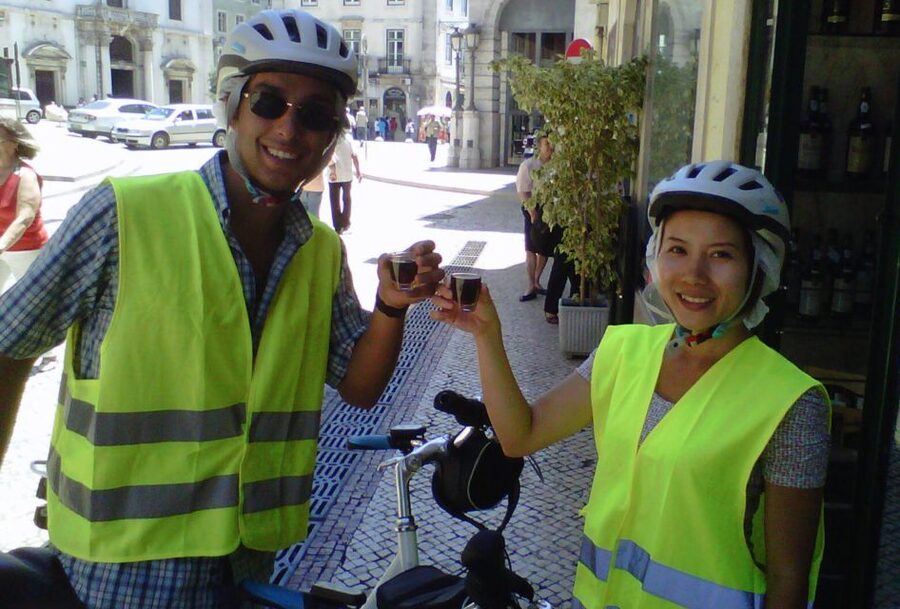
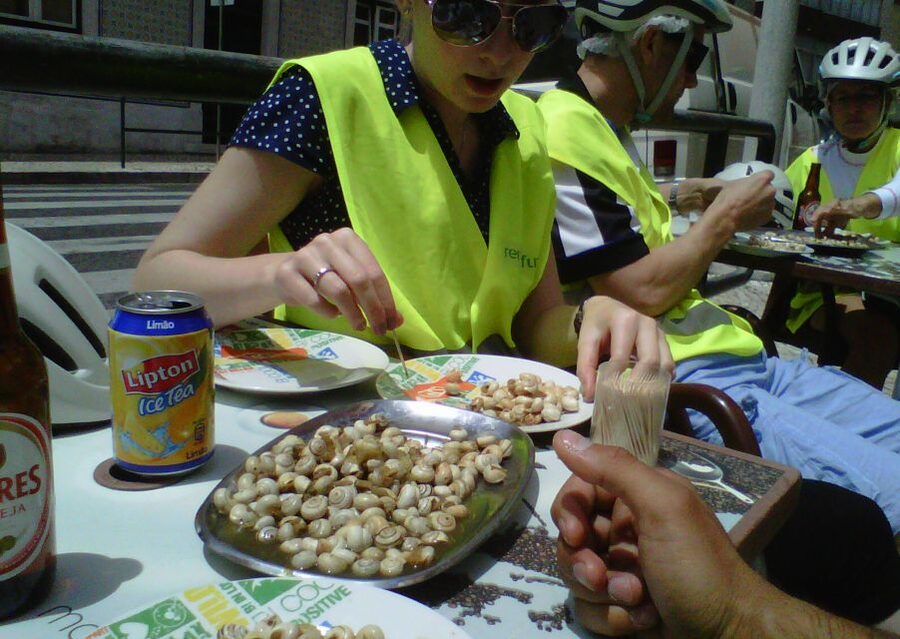
- Five food and five drink tastings are included, with named stops for pastries, codfish, bifana, sardines or soup, coffee, beer, wine and ginjinha.
- Electric bikes help on Lisbon’s hills, though you still need to be comfortable riding a bicycle.
- The route links food with city views, including a beer stop overlooking the Tagus River and a tasting at Graça Viewpoint.
- It lasts about four hours, and the tastings are substantial enough that you should not plan on needing lunch afterward.
- The English-speaking guide adds local context, with past guides including Diogo and Ricardo.
- Meet near Santa Apolonia Metro Station and the Fado Museum, and confirm the precise meeting point before you go.
From coffee to custard tart, the first tastes of Lisbon
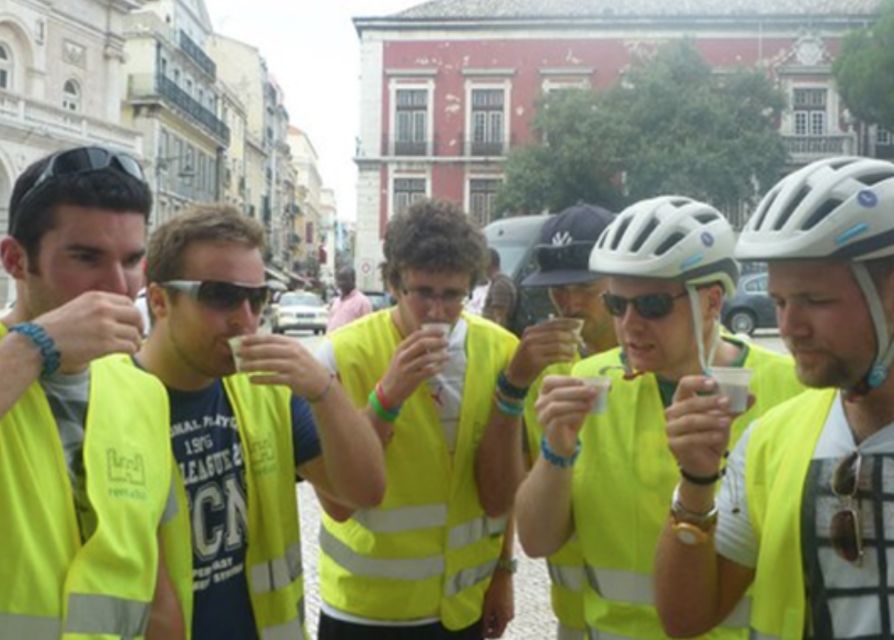
The tour’s tastings are not just a string of snacks. They give you a guided introduction to the Portuguese foods you are likely to see in cafés and casual restaurants during the rest of your stay. The stops listed include Portuguese coffee at Amoreiras Garden, pastel de nata at Manteigaria and pastel de massa terra at Doce Real.
The pastel de nata is the headliner for many people. This small custard tart has a flaky pastry shell and a creamy filling, and Manteigaria is a well-known place to try one. If you are already planning to seek out Lisbon’s famous tart, having a guide build it into the route saves you the trouble of choosing a shop on your own. You can focus on the taste and the city around you.
Coffee gives the pastry stop a useful local pairing. Rather than treating the tart as a quick photo opportunity, you get a chance to pause and enjoy it with a Portuguese coffee. Doce Real adds a second pastry, pastel de massa terra, whose name may be less familiar. The tour is a good way to sample something beyond the best-known sweet, though the supplied details do not describe its ingredients, so ask your guide what is in it if you have dietary concerns.
These early tastings also set the pace. You will be stopping to eat as well as riding, so this is not a fast sightseeing circuit with one token bite. The route includes several food stops, and the operator describes it as a meal. Eat lightly beforehand, especially if you are joining in the morning.
More bike tours in Lisbon:
- Lisbon: Hills, Alfama, and Mouraria Tour by Electric Bike
★ 4.8 · 3,438 reviews - Lisbon E-Bike Tour Commerce Square, Mouraria and Alfama
★ 4.5 · 1,688 reviews - Lisbon: 7 Hills Half-Day Electric Bike Tour
★ 4.9 · 1,592 reviews
E-bikes make the hills part of the fun
Lisbon’s steep streets can turn an ordinary bike ride into hard work. Electric assistance makes the climbs more manageable, and that matters here because the tour uses cycling to connect food stops and viewpoints across the city. One family of five described the motor assistance as a welcome help on Lisbon’s many hills. A couple on another tour also appreciated having e-bikes for the same reason.
The electric motor does not mean you can ignore the ride itself. You will still be on a bicycle, moving through city streets, and should be comfortable balancing and pedaling. The information provided does not specify bike models, route difficulty, child requirements or what safety equipment is supplied. If those details matter for your group, ask the operator before booking.
The ride can also make the city feel less chopped up into separate sights. Between tastings, your guide can share local history and point out what you are passing. That combination of movement, food and commentary is a practical way to get your bearings, especially early in a Lisbon stay. It is not a substitute for a full history tour, but it gives you a lively framework for understanding how food fits into daily life.
The exact route and stop order may vary. The listed food venues span several neighborhoods and viewpoints, and the tour is built around places that serve the promised tastings. Do not expect a rigid procession if a café or restaurant is closed.
Codfish, bifana and a view over the Tagus
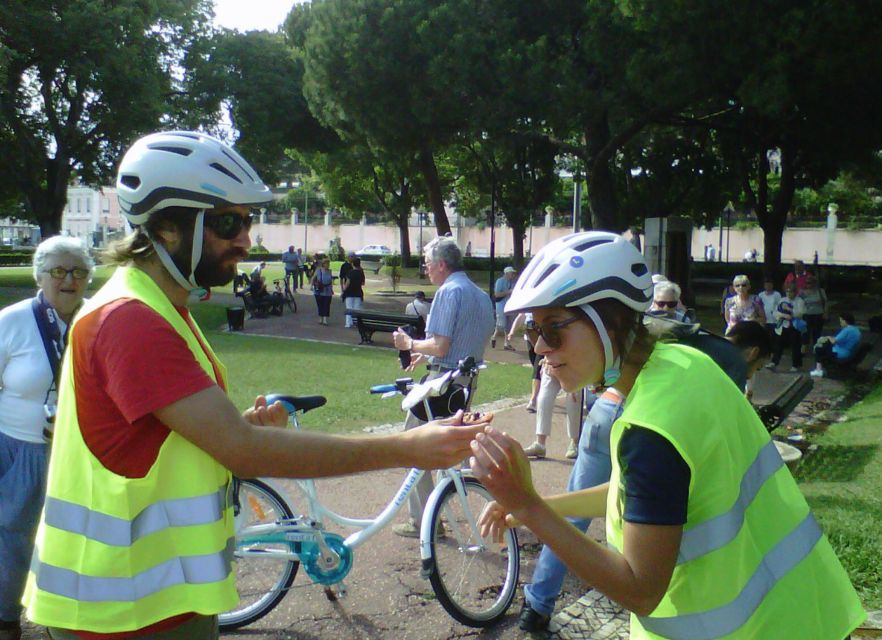
Portuguese cuisine has plenty of everyday staples, and the savory stops are where this tour broadens beyond sweets. At Martinho da Arcada, you are scheduled to try pastel de bacalhau, a codfish pastry. Cod is a familiar part of Portuguese cooking, and this compact snack gives you a simple first taste of it.
Another stop lists a bifana at Sr. Afonso. A bifana is a Portuguese sandwich, giving you a more filling, casual counterpoint to the pastries. The tour also includes an empada de galinha at Graça Viewpoint. With its chicken filling and pastry shell, this is another small savory bite, served in a spot where you can take in the view.
A beer tasting at a viewpoint over the Tagus is one of the tour’s most appealing combinations: a local drink, a pause in the ride and a broad look across the river. The precise viewpoint is not named in the activity details, but the included list also identifies Graça Viewpoint as a food stop. Do not assume every listed bite is served at the same scenic stop.
The route includes wine as well, with both white and red wine named among the drinks. That gives you a chance to compare a couple of Portuguese pours alongside the food, rather than treating the beverage part as an afterthought. The details do not identify the wines or their producers, so approach this as an introductory tasting, not a focused wine lesson.
Ginjinha and the flavors of Mouraria
Ginjinha, also called ginja, is a sour cherry liqueur associated with Portugal. A small taste is a useful way to try a drink that may not be part of your usual routine. The tour includes it alongside beer, white wine, red wine and water, for five drink tastings in total.
The final savory selections include sardines or soup at Dona Tina in Mouraria. The choice matters: you may receive sardines or soup, rather than both. Sardines are closely associated with Portuguese food culture, while soup offers a more familiar option if fish is not your preference. Ask about the available choice when you arrive, particularly if you have dietary restrictions.
Mouraria is also an apt neighborhood for a food-focused ride because the tour frames its stops as a way to learn about the foods residents eat day to day. The guide’s commentary is part of the value here. Diogo and Ricardo are two guides who have led earlier tours; both were praised for sharing Lisbon’s history, and Ricardo was described as patient with a family group. Your guide may be someone else, but the tour is designed to pair food with local context.
More tours and experiences in Lisbon:
- Lisbon City Center Tour – The Unmissable Lisbon
★ 5.0 · 22,234 reviews - Lisbon: Sintra, Pena, Regaleira, Cabo da Roca & Cascais
★ 4.7 · 19,656 reviews - Lisbon: Jerónimos Monastery Entrance Ticket
★ 4.1 · 14,164 reviews - Lisbon: History, Stories and Lifestyle Walking Tour
★ 4.8 · 10,902 reviews
Four hours, and enough food to count as lunch
At $76 per person, this is more than a quick tasting walk. You are paying for four hours of guided time, electric-bike use and a series of five food and five drink tastings. If you were to arrange separate tastings and a bike rental yourself, the cost could add up, though the value depends on how much you want the guided route and food included.
The named food stops include more individual items than the stated five food tastings. The supplied details list coffee, multiple pastries, codfish pastry, bifana, chicken empada and a choice of sardines or soup. Treat the stated total of five food tastings as the package count, and do not assume every named food will necessarily be served in the same way on every departure. Confirm current inclusions if a particular dish is a deciding factor.
The tour operator says you will not need lunch afterward. That is a useful planning detail, not just a sales line: with pastries and savory food spread through the ride, you should expect to feel well fed. A light breakfast is sensible; a full meal beforehand may leave you less interested in the later stops.
Food availability is the main variable to keep in mind. A tour that took place over Easter weekend ran into closed restaurants, leaving one group with far less food than expected despite a long ride. That sounds like an unusual disruption, but holidays and business schedules can affect a food route. If your visit falls on a major holiday or a day when many local businesses close, contact the operator ahead of time and ask whether all tastings are expected to be available.
Meeting near Santa Apolonia: check the pin
The meeting point is near Santa Apolonia Metro Station and the Fado Museum. One participant had trouble because the app showed the wrong location, so verify the exact spot with the operator rather than relying only on a map pin. Give yourself a little time to find the guide and get settled before the ride begins.
The tour is offered in English and lasts four hours. Starting times depend on availability, so check the schedule that fits your plans. If you need to change course, the booking terms allow free cancellation up to 24 hours in advance, and you can reserve now and pay later.
The limited public rating available for this activity is 4.8 from six reviews. The especially consistent positives are the guides’ history commentary, the relaxed feel of small groups when attendance is low, and the electric assistance on Lisbon’s hills. Some outings have effectively been private when only a couple or one family booked, but you should not count on having the guide to yourself.
Who should book this ride
I would put this tour near the top of the list if you enjoy tasting local food, want a broad introduction to Lisbon and are comfortable riding a bike. It suits couples, families with children who can ride, and solo visitors who prefer a guide to connect the stops and explain what they are eating. One family of five had a morning ride that ran into the afternoon at an easy pace, with time for food and questions.
It is less suitable if you want a precise, guaranteed menu, have strict dietary needs that have not been confirmed, or are not comfortable cycling in a city. The choice between sardines and soup is specified, but the supplied details do not provide a full allergy or dietary-adaptation policy. Ask directly before booking if you need substitutions or have food restrictions.
The strongest reason to go is the mix: custard tart and coffee, savory Portuguese staples, local drinks, city views and a guide who can add history as you ride. The main reason to pause is that the food depends on open venues, and that can matter more than the bike if you booked chiefly for the tastings.
Book it if you want a filling, active introduction to Lisbon and can stay flexible about the exact food stops. Before you pay, confirm the meeting point and check that the food venues are expected to be open on your chosen date.
FAQ
How long is the Lisbon electric bike tour?
It lasts four hours. The exact starting times depend on availability.
Where does the tour meet?
The meeting point is near Santa Apolonia Metro Station and the Fado Museum. Confirm the precise location with the operator, since one participant found the app’s meeting point incorrect.
What language does the guide speak?
The tour guide speaks English.
Which foods are included?
The named foods include pastel de nata, pastel de massa terra, pastel de bacalhau, bifana, empada de galinha, and sardines or soup. Portuguese coffee is also included. The stated package includes five food tastings, so confirm the exact selection if a particular dish matters to you.
Which drinks are included?
The included drinks are one beer, white wine, red wine, ginjinha liqueur and water.
Do I need to eat lunch after the tour?
The operator describes the tastings as a meal and says you will not need lunch afterward. A light meal beforehand is a sensible plan.
Is the ride difficult because of Lisbon’s hills?
The tour uses electric bikes, which help with the hills. You still need to be comfortable riding a bicycle.
Can I cancel or pay later?
You can cancel up to 24 hours in advance for a full refund. The reserve-now, pay-later option lets you book without paying at the time of reservation.
Lately reviewed in Lisbon
- Lisbon: Sunset and Wine Luxury Catamaran Cruise★ 5.0 · 17 reviews
- Lisbon Sunset Boat Tour with local Snacks & Drinks★ 4.9 · 11 reviews
- Lisbon: Street Art Tour★ 4.7 · 66 reviews
- Lisbon: Streets of Alfama Private Segway Tour 1.5hour★ 4.8 · 15 reviews
- Lisbon: Sunset Boat Party with 2 Drinks and Free Club Entry★ 3.9 · 93 reviews
- Tuk Tuk Lisbon: Street Art 2-Hour★ 5.0 · 6 reviews
- Lisbon 3-Hour Street Art Tour★ 4.6 · 63 reviews
- Lisbon Street Art Tour★ 5.0 · 4 reviews
Lisbon Bike Tours, compared.
Hills, Alfama, and Mouraria Tour by Electric Bike
Read our review →
Lisbon E-Bike Tour Commerce Square, Mouraria and Alfama
Read our review →

Lisbon Bike Tour: Downhill Downtown Lisbon to Belém
Read our review →Browse the lists this tour appears in