
Reviewed · LISBON COOKING CLASSES
Lisbon: Pastel de Nata Baking Class
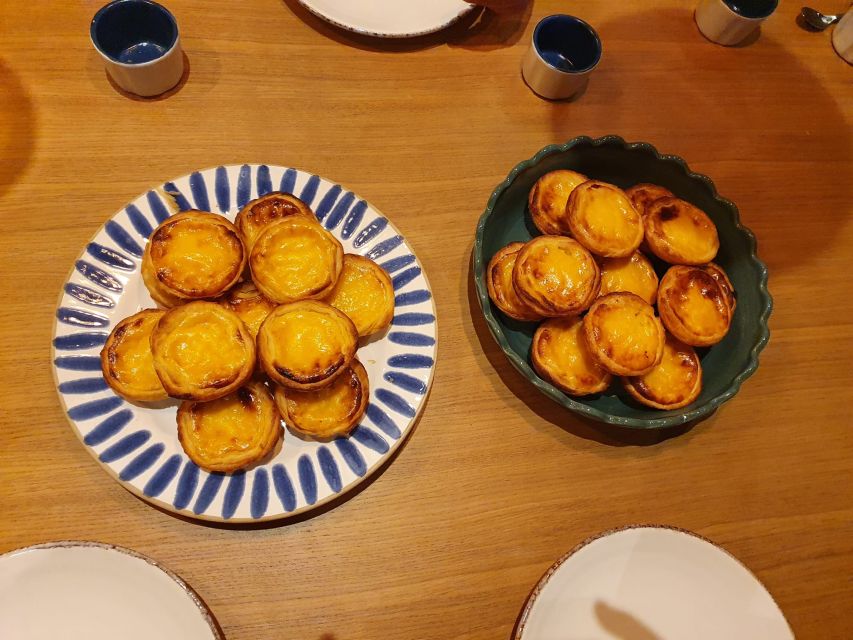
Pastel de nata is at its best warm, with flaky pastry and custard just set. In this two-hour class, you make your own batch with an instructor’s help, then taste the results with Portuguese drinks. It’s a welcome change from admiring the tarts through a bakery window.
I like two things here: you get hands-on practice with the pastry, and the class adds a bit of Portuguese food history instead of treating the tart as just a recipe. Drinks, including coffee and a ginginha tasting, make the finish feel like a small food occasion rather than a rushed demonstration.
One thing to weigh: some ingredients are measured or prepared ahead, and the class is not a full pastry apprenticeship. You’ll take part in the making, but you may not do every step from the raw ingredients. The kitchen is also outside central Lisbon for some, so check the meeting details and allow time to get there.
- You shape and fill your own tarts, with guidance throughout the process.
- The class lasts two hours, a manageable break in a sightseeing day.
- Portuguese drinks are included, with coffee, homemade juice, water, Porto wine, and a ginginha tasting listed.
- It’s social as well as practical, with some participants working in pairs.
- The kitchen location matters: the meeting point is Homecooking Lisbon HUB, and reports differ on how convenient the surrounding area feels to reach.
- The class is in English, and it is not suitable for children under 6 or people with mobility impairments.
Start with the pastry, not just the pastry case
Pastel de nata is one of those treats that seems simple until you look closely: crisp layers, a small cup of pastry, and a soft custard top marked by the heat of the oven. A bakery tasting lets you judge the result. This class helps you understand the work behind it.
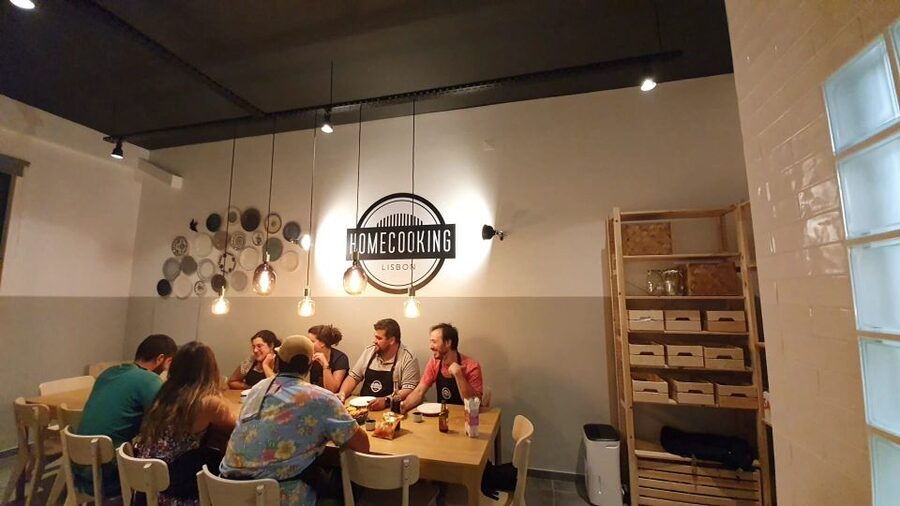
At Homecooking Lisbon HUB, an instructor takes you through the process in a prepared kitchen. Past instructors have included Marta, Bea or Beatrice, Miyuki, and Miguel, though your teacher will depend on the session. The useful common thread is close guidance: the class is designed for beginners, with instructions paced so you can follow along and ask for help.
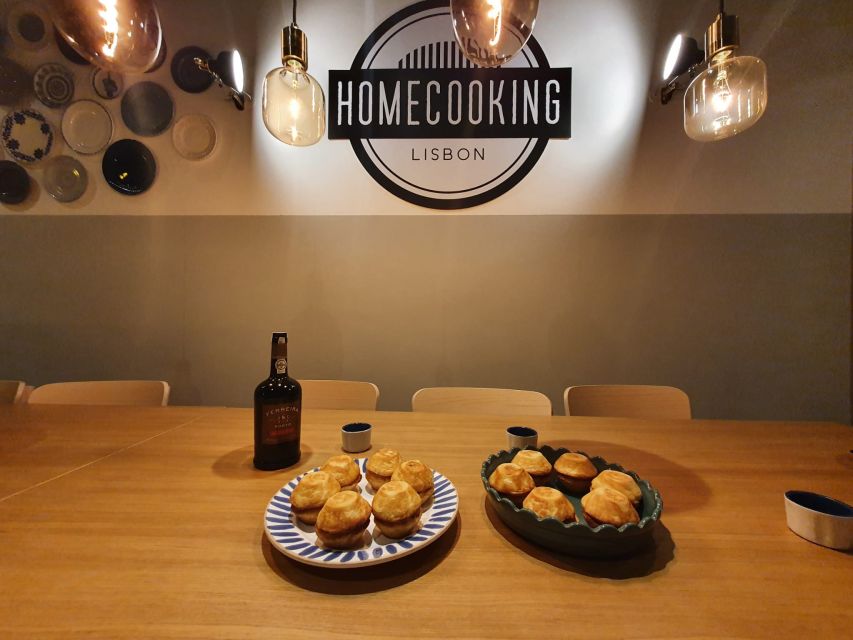
You’ll get your hands on the dough, help shape the pastry, and work with the custard filling. The oven does its part while the kitchen fills with the smell of baking. Then comes the good test: eating your own pastel de nata while it is fresh.
What happens during the two-hour class
The activity is built around one pastry, so there is little time spent on unrelated cooking. That focus is a strength. You can pay attention to the details that make the tart work, rather than racing through a menu of dishes.
The class starts at the Homecooking Lisbon HUB kitchen. Once you’re settled, the instructor introduces the pastry and explains the steps. You also get some context about Portuguese gastronomy and the tart’s place in local food culture. The history is not the main event, but it gives the baking a little more meaning than following a recipe in isolation.
Next comes preparation. Ingredients are supplied, as are the utensils, and some components may be pre-measured or prepared before you begin. That makes the session easier to follow and keeps the pace practical, especially for people who have not baked much before. It also means you should not expect to make every ingredient entirely from scratch.
You’ll still take part in the important work. The class includes handling and shaping the pastry, preparing or working with the filling, and assembling the tarts. You may share a station or work in pairs, so this is not a private lesson where every step is yours alone. If you come by yourself, that can be a pleasant way to meet someone; if you prefer to work independently, ask how the class is arranged.
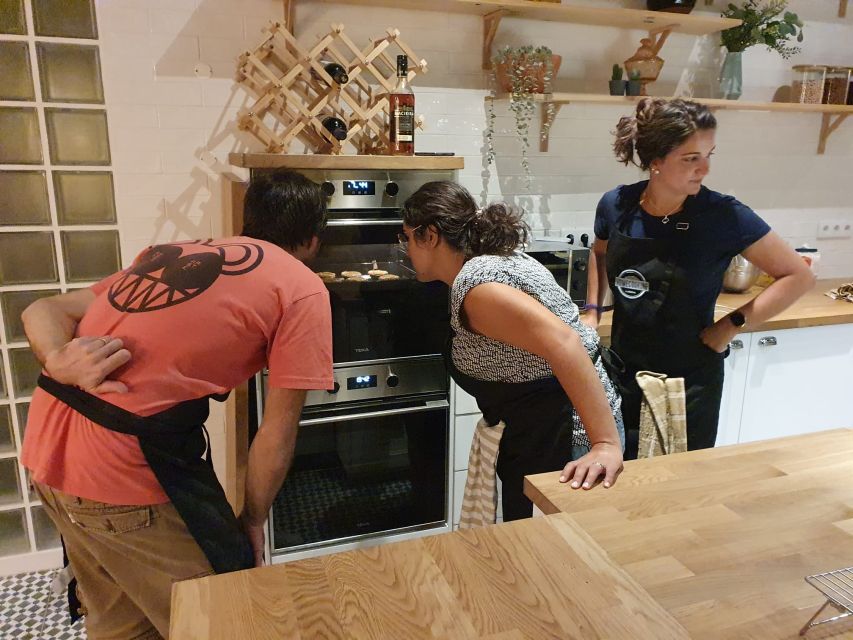
Once the pastries are ready for the oven, the instructor handles the baking stage. The waiting time is part of the pleasure: you can watch the tarts develop their color and catch that warm, sweet smell. The pastries are then served for you to taste. Some people have had enough to take a few away, but the activity does not promise a specific take-home quantity.
More cooking classes in Lisbon:
- Lisbon: Traditional Portuguese Cooking Class
★ 4.9 · 592 reviews - Pastel de Nata Masterclass at a Real Bakery in Downtown Lisbon
★ 5.0 · 491 reviews - Pastel de Nata Pastry Class: Bake and Enjoy Your Own Treats
★ 5.0 · 485 reviews
Learn a recipe, but expect a guided class
This is a practical introduction, not a professional pastry course. You’ll see the key steps and get a feel for the dough and filling, but the pre-prepared ingredients and instructor-led oven stage keep things moving within two hours. That is a sensible trade-off for a short holiday activity.
The teaching style is one of the class’s most important features. Instructors named in past sessions include Marta, Bea, Miyuki, and Miguel. Names and teachers can change, but the format is meant to be approachable. Clear demonstrations and hands-on help make the class suitable for beginners, and you do not need to arrive with baking skills.
If you’re keen to reproduce the recipe at home, pay attention to the parts that are hardest to judge from written instructions: how the pastry feels, how it is shaped, and how the filling is handled. Ask questions as you go. You may leave with an idea of the method and a recipe, but recreating a pastry made in a Lisbon kitchen will still take practice.
The class also works well as a shared activity. Couples can bake together, and families with older children may find it a welcome break from museums and monuments. The listed age guidance says children under 6 are not suitable, so do not assume a younger child can join simply because the task looks playful. The format may include pairs, which can make the class more sociable but means you might share the work.
Portuguese drinks add a useful extra
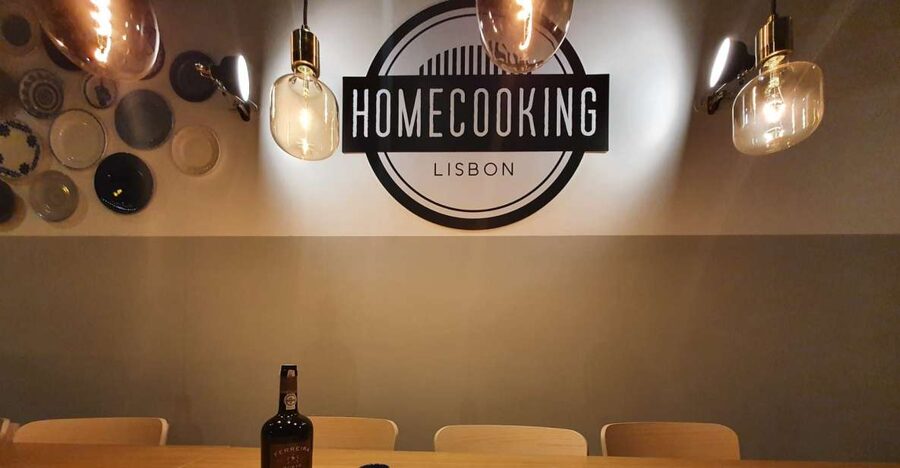
The drinks are part of the package, not an afterthought. The listed selection includes homemade juice, coffee, water, Porto wine, and a ginginha tasting. These give you a few local flavors to try alongside the pastry, while coffee is a natural match for the sweet custard.
There is one practical caveat: the exact drink service may not always match every listed item. If Porto wine is especially important to you, check before booking rather than treating it as guaranteed for your particular session. Water and coffee are useful basics, and the ginginha tasting offers a small taste of a Portuguese liqueur.
The tasting does not turn this into a drinks tour. The focus remains baking, with beverages helping you enjoy the final pastries and giving the class a relaxed, convivial finish. If you are looking for a substantial meal, this is not one. Think of it as a snack and activity, not lunch.
Is $64 fair value?
At $64 per person, this costs more than buying a few tarts at a bakery. But the comparison is not quite apples to apples. The price includes a two-hour class, ingredients, utensils, instructor support, drinks, and insurance. You also get the pleasure of making the pastry yourself and learning enough to recognize some of the work in a bakery version.
The value is strongest if you enjoy cooking, want a hands-on food experience, or are looking for a shared activity with a partner or family. If all you want is to taste pastel de nata, you can do that for much less at a café. If you want to understand how the pastry comes together and have a friendly break in your day, the class makes more sense.
The recipe is also a useful souvenir, though not a magic shortcut. You may be able to make the tart at home, but pastry takes patience and the class gives you a first go with an instructor nearby. That is worth more to an interested home baker than to someone who rarely uses an oven.
More hands-on workshops in Lisbon:
- Lisbon: 2-Hour Pastel de Nata Cooking Class
★ 4.8 · 461 reviews - Lisbon Portuguese Cooking Class with 3-Course Dinner
★ 5.0 · 445 reviews - Lisbon: Azulejos’ Design Create Your Own Tile Workshop
★ 4.9 · 420 reviews - Traditional Portuguese Cooking Class in Lisbon
★ 5.0 · 287 reviews
Getting to Homecooking Lisbon HUB
The meeting point is Homecooking Lisbon HUB, and hotel pickup and drop-off are not included. Check the exact address and route before you set out. The location has been described as easy to find, but it may not feel central depending on where you are staying. A taxi has been a convenient option for some, while a bus stop has been noted near the facility.
Allow a little extra time, especially if you are going straight from another activity. There has been at least one case of a venue change that was not communicated clearly, so confirm the current meeting point shortly before your class. That is a simple precaution, not a reason to avoid booking.
The kitchen itself has been described as clean, modern, and well prepared. That matters in a cooking class: you want room to work, tools ready to hand, and an instructor who can keep the group moving. Still, the activity is not suitable for people with mobility impairments, so check your needs with the provider before reserving.
Who should book this Lisbon baking class?
I’d choose this class if you like food experiences that ask you to do more than sit and taste. It suits curious beginners, couples, friends, and families with children old enough to take part. The English instruction makes the recipe accessible to visitors, and the two-hour length leaves room for the rest of your Lisbon plans.
It is less suited to anyone who wants a detailed professional lesson, a private class, or a guaranteed from-scratch pastry course. You should also skip it if you only want a quick pastry snack, have mobility needs the venue cannot support, or are planning to bring a child under 6.
The class’s best qualities are its practical instruction, friendly social setup, and fresh-baked finish. Its limits are clear too: preparation is partly streamlined, the class may involve shared work, and the venue takes a little planning to reach. If those trade-offs sound fair, it’s a satisfying way to spend two hours with one of Portugal’s most loved pastries.
FAQ
How long is the pastel de nata class?
The class lasts two hours. Check availability for the starting times offered on your date.
Where does the class meet?
The meeting point is Homecooking Lisbon HUB. Hotel pickup and drop-off are not included, so plan your own transport.
Is the class taught in English?
Yes. English is the stated language of instruction.
What drinks are included?
The listed drinks are homemade juice, coffee, water, Porto wine, and a ginginha tasting. Availability of individual drinks may vary, so confirm if one is especially important to you.
Do I need baking experience?
No baking experience is required. The instructor guides you through the process, and cooking ingredients and utensils are provided.
Can children attend?
Children under 6 are listed as not suitable for the activity. The class may suit older children, but check the current age guidance when booking.
Is the class suitable for people with mobility impairments?
No. The activity is listed as not suitable for people with mobility impairments.
Lately reviewed in Lisbon
- Lisbon: Sunset and Wine Luxury Catamaran Cruise★ 5.0 · 17 reviews
- Lisbon Sunset Boat Tour with local Snacks & Drinks★ 4.9 · 11 reviews
- Lisbon: Street Art Tour★ 4.7 · 66 reviews
- Lisbon: Streets of Alfama Private Segway Tour 1.5hour★ 4.8 · 15 reviews
- Lisbon: Sunset Boat Party with 2 Drinks and Free Club Entry★ 3.9 · 93 reviews
- Tuk Tuk Lisbon: Street Art 2-Hour★ 5.0 · 6 reviews
- Lisbon 3-Hour Street Art Tour★ 4.6 · 63 reviews
- Lisbon Street Art Tour★ 5.0 · 4 reviews
Lisbon Cooking Classes, compared.

Pastel de Nata Masterclass at a Real Bakery in Downtown Lisbon
Read our review →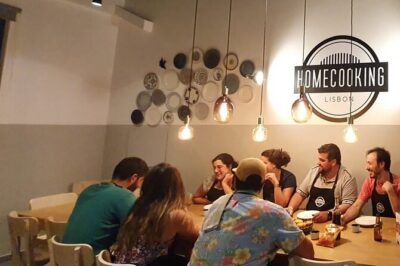
Pastel de Nata Pastry Class: Bake and Enjoy Your Own Treats
Read our review →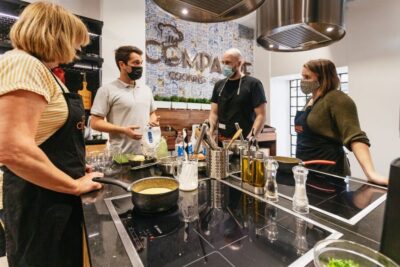
Lisbon Portuguese Cooking Class with 3-Course Dinner
Read our review →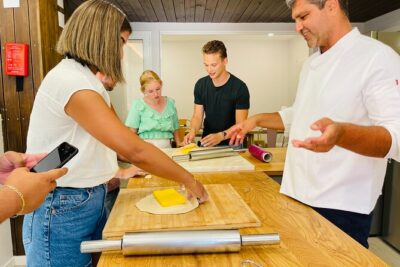

Lisbon Market and Food Tour with Cooking Class and Lunch
Read our review →Browse the lists this tour appears in