
Reviewed · LISBON WALKING TOURS
Golden Era of Évora walking & the portuguese wine tasting.
Évora’s story is written into its stones: a Roman temple, a Roman aqueduct, medieval towers and traces of the many peoples who shaped this Alentejo city. This four-hour private walk connects those landmarks to the wider story of Portugal, then ends with a regional wine tasting.
I like two things about the plan: a guide helps you spot architectural details you could easily pass by, and the wine tasting gives the history a flavorful finish. Guides such as Paolo have explained the city’s changing styles and cultures with real enthusiasm, while Vanessa Schnitzer brings specialist wine knowledge to the tasting.
One consideration: this is a history-heavy walk, and some visitors have found the guide’s pace of speech quick. The exact route and stop timings are not laid out in detail, so ask about the pace and walking needs when booking.
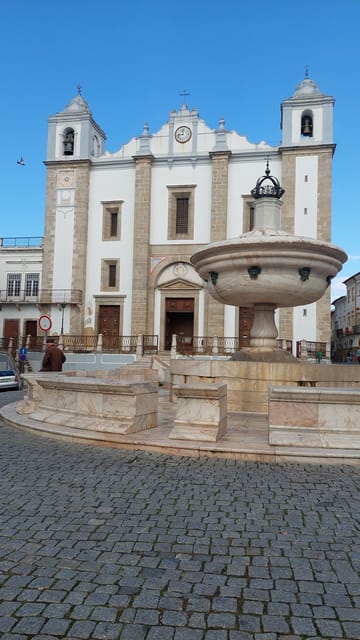
- Start at Praça do Giraldo: Meet by the Chafariz fountain, near Santo Antão Church, in the heart of Évora.
- Follow several eras in one walk: The story moves from early settlers through Roman, Visigothic and Muslim rule to Portugal’s medieval and Golden Age periods.
- Look beyond the famous temple: The route may include towers, gateways, a Roman aqueduct, churches, fountains, battlements and the palace of D. Manuel.
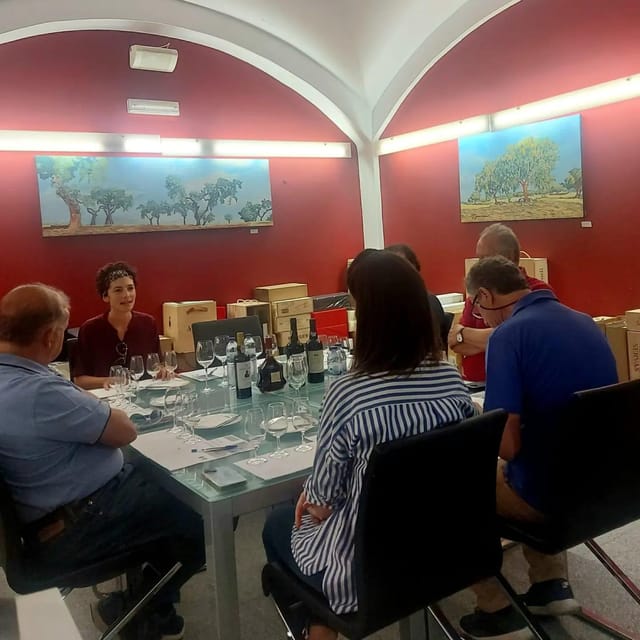
- Finish with Alentejo wine: Wine is included, with a tasting at Ervideira Wine Shop led by Vanessa Schnitzer.
- Book a private, multilingual tour: The experience is offered in English, Spanish or Portuguese and is listed as wheelchair accessible.
- Plan for an adult audience: Participants must be at least 19, and museum entrance fees are not included.
Start where Évora gathers at Praça do Giraldo
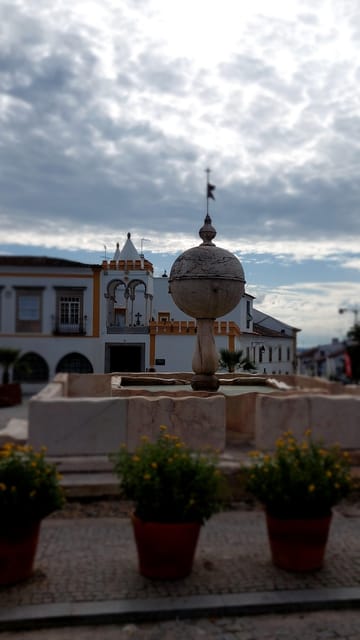
The tour begins at Chafariz da Praça do Giraldo, the fountain in Praça do Giraldo. The meeting point is near Santo Antão Church, so it is worth checking that you are at the fountain rather than waiting somewhere else in the square. This central start gives your guide a natural place to introduce Évora before the walk heads toward its older layers.
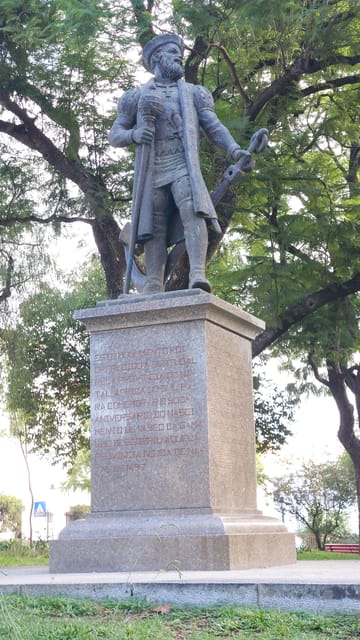
The city’s story reaches back before the familiar Roman remains. The tour introduces the first settlers, identified in its description as the Eborones, then traces how Roman, Visigothic and Muslim rule left their mark. From there, the narrative turns to Geraldo the Fearless and the Christian reconquest, the formation of the Portuguese kingdom, the Avis dynasty and Évora’s importance in the 15th and 16th centuries.
That sequence is the tour’s main strength. A temple or tower is more than a photo stop when you understand which people built it, used it or changed the city around it. Évora was named a UNESCO World Heritage Site in 1986, and this walk offers context for why its collection of old buildings matters as a whole.
Roman stones, medieval towers and layers of faith
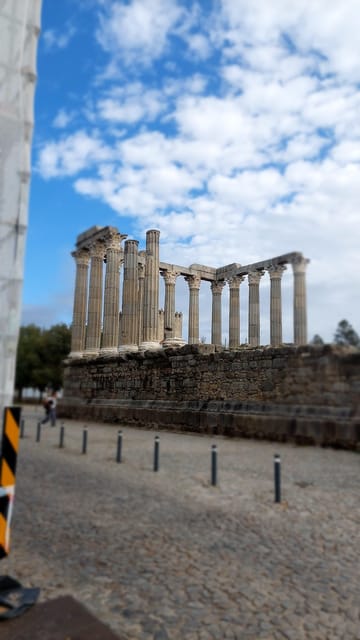
The advertised highlights range across several periods: a Roman temple and aqueduct, Visigothic and Muslim heritage, medieval battlements, towers, churches and a Roman gateway. You may also see fountains, statues, a romantic garden and the palace of D. Manuel. The itinerary does not assign a fixed order or a set duration to each landmark, so think of this as a guided city walk rather than a sequence of timed monument visits.
The Roman remains provide a clear starting point for reading Évora’s past. The temple and aqueduct are striking in their own right, but the guide’s role is to connect them to the city’s later inhabitants and changing uses. Visitors who have already walked around on their own can still gain a new perspective: details that seemed like isolated old stones may begin to fit into a larger story.
The same is true of the towers, gateways and battlements. These features help explain how the city was shaped and defended, while churches and other religious buildings reflect successive periods of belief and rule. The tour’s focus on the meeting and clash of cultures is especially useful if you like architecture but want more than dates and building names.
Specific stops can vary, and the description does not promise entry into every church or historic building. Museum admission is not included. If your priority is going inside a particular site, check whether it is part of the walk and whether an entry ticket is needed before you book.
More Évora and Alentejo trips in Evora:
- Évora and Megaliths Full-Day Tour from Lisbon
★ 4.7 · 456 reviews - From Lisbon: Évora and Monsaraz Day Tour with Wine Tasting
★ 4.8 · 279 reviews - Évora and Monsaraz with Regional Wine Tasting from Lisbon
★ 4.5 · 229 reviews
A guide who gives the buildings a wider story
The guiding is one of the experience’s most praised features. Paolo has led tours with an energetic, detailed approach, pointing out architectural periods and putting Évora’s story into a broader Portuguese context. The tour may also be led by another guide, so do not assume Paolo is guaranteed for your date.
That depth suits you if you enjoy understanding how a city changed over time. Rather than treating Roman, Muslim and medieval Évora as separate chapters, the guide can show how each period sits alongside what came before. Several people who had already seen the main sights found that a guided return gave them a different way to read the city.
There is a practical trade-off: one visitor found the guide spoke a bit quickly. If you want to take notes, ask many questions or need a slower pace, say so at the start. The tour is private, which gives your group a chance to communicate its needs, though the exact pace and route remain something to confirm directly.
The tour is offered in English, Spanish and Portuguese. That choice matters on a history walk, where a small change in wording can help you follow a long chain of rulers, dynasties and architectural styles. If you are especially keen on a particular language, confirm it for your booking.
The city walk and how to prepare for it
The full experience lasts four hours, combining the Évora walk with the wine tasting. The supplied schedule identifies a one-hour guided-tour segment, but does not spell out how the rest of the time is divided between walking, pauses and tasting. Confirm the expected pace and schedule if you have a tight plan for the day.
Comfortable shoes are a must. The route is on foot and includes historic streets and buildings; comfortable clothes are also recommended. No special equipment is listed, but a private walking tour is easier to enjoy when you are not hurrying to keep up or thinking about sore feet.
The tour is listed as wheelchair accessible, and one guide, Paolo, made a particular effort to accommodate a participant using a wheelchair. That is encouraging, but access can depend on the route and the conditions at individual historic sites. If you need a specific accommodation, contact the provider beforehand to discuss it rather than relying on a general accessibility label.
This is an adults-only activity for people aged 19 and over. Alcohol and drugs are not allowed, and the wine tasting makes the age restriction especially relevant. Museum entry is not included, so budget separately if you plan to visit a museum before or after the walk.
Taste Alentejo at Ervideira Wine Shop
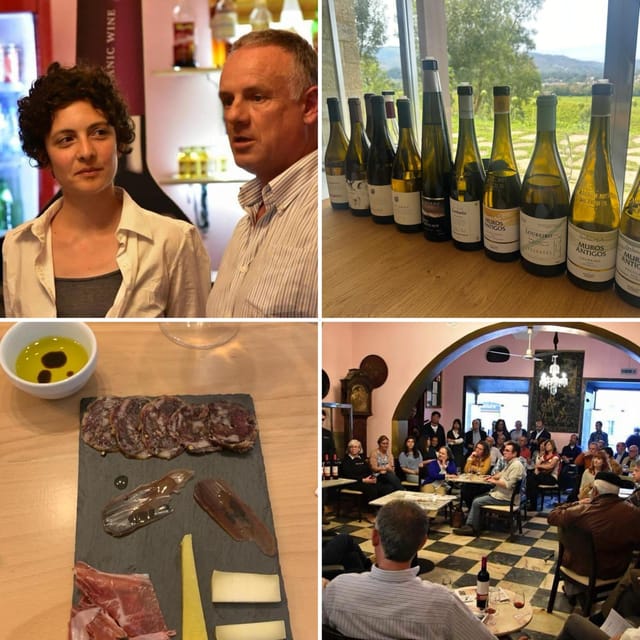
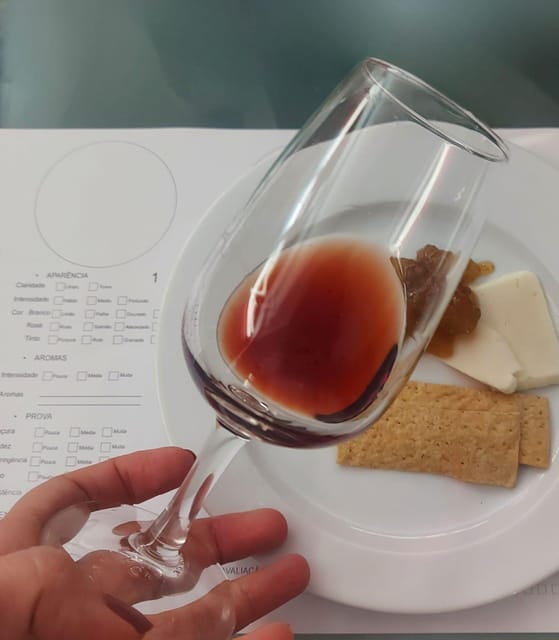
The walk ends with wine tasting at Ervideira Wine Shop, where the experience shifts from stonework and dynasties to the character of Alentejo wines. The tasting is led by Vanessa Schnitzer, described as a sommelier, oenologist and PhD student. Her stated aim is to introduce the region’s wines and explain how its soil and climate shape their traits and style.
Wine is included in the $42 per-person price, making the tasting a meaningful part of the experience rather than an extra you need to arrange elsewhere. It also gives you a taste of place in the most literal sense. After hearing how Évora’s past was shaped by successive cultures, you finish with a regional product shaped by local growing conditions.
The wine tasting has been a particular highlight for people who enjoyed the wines and the explanations. Still, this is not described as a full wine-country visit: there is no stated vineyard transport or winery tour. You meet in Évora, walk through the city and conclude at the shop.
If wine is your main interest, bear in mind that the tour gives substantial attention to history as well. If your main aim is to understand Évora and you are happy to sample wine at the end, the balance makes good sense.
More walking tours in Evora:
- Évora: Private walking tour with tickets to main monuments
★ 5.0 · 223 reviews - Évora: Tales and Legends Guided Walking Tour
★ 4.7 · 37 reviews - Évora: Flexible Walking Tour in Historic Center
★ 4.4 · 13 reviews - Lisbon: History, Stories and Lifestyle Walking Tour
★ 4.8 · 10,902 reviews
Is $42 a fair price for four hours?
At $42 per person, you are paying for a private, guided four-hour experience with wine included. The value is strongest if you want a guide to connect the city’s scattered landmarks and explain the historical layers, rather than simply walk between photo stops. The tasting adds a regional finish without requiring you to plan a separate wine activity.
The price does not include museum entrance fees, and the tour does not promise admission to every landmark. That is a fair distinction, but it matters if you expect a ticketed, inside visit to major sites. You are buying a guided walk and included wine, not an all-access pass to Évora’s museums.
The private format is another point in the value calculation. Your group can ask questions and discuss pace more directly than on a large group outing. It may be less appealing if you only want a short orientation walk or prefer to explore independently, especially if your interest in wine or history is limited.
The activity offers reserve-now, pay-later booking and free cancellation up to 24 hours in advance for a full refund. Those terms can help if your plans are not settled, but the best reason to book is the combination of a structured city walk and a local tasting.
Who should book this Évora walk?
I would put this tour near the top of the list if you enjoy history, architecture and the stories behind a city’s monuments. It is especially suited to a first visit, when a guide can help you notice the links between Roman remains, medieval defenses, churches and later Portuguese history. It can also work well after an independent stroll, since a guide may give familiar places a fresh frame.
The tour is a good fit if you want a private experience in English, Spanish or Portuguese, and if you like the idea of finishing with Alentejo wine. People who want a thorough discussion of Évora’s past should find more here than a quick landmarks circuit.
Think twice if you want to spend most of your time inside museums, need a fixed list of guaranteed stops, or prefer a slow, unhurried pace without checking it in advance. The walk is for adults aged 19 or older, and museum entry costs extra.
For a history-minded visit that ends with a regional tasting, the pairing is appealing and practical. Ask about the guide, route, walking pace and access needs when booking, then arrive ready to look closely at the city’s stones.
FAQ
Where does the tour begin?
It starts at Chafariz da Praça do Giraldo, by the fountain in Praça do Giraldo, near Santo Antão Church.
How long does the experience last?
The full experience lasts four hours. The schedule also describes a one-hour guided-tour segment, but does not give a detailed breakdown of the remaining time.
What is included in the price?
Wine tasting is included. Museum entrance fees are not included.
Is the tour private?
Yes. The activity is listed as a private group tour.
Which languages are available?
The tour is offered in English, Spanish and Portuguese.
Who leads the wine tasting?
The tasting at Ervideira Wine Shop is led by Vanessa Schnitzer, a sommelier and oenologist who is also a PhD student.
What landmarks may be covered?
Highlights include the Roman temple and aqueduct, towers, a Roman gateway, medieval battlements, churches, fountains, statues, a garden and the palace of D. Manuel. The exact route is not specified.
Is the tour wheelchair accessible?
It is listed as wheelchair accessible. If you have specific access needs, contact the provider to confirm the route and arrangements.
What should I bring?
Comfortable shoes and comfortable clothes are recommended.
Can I cancel, and do I have to pay when I book?
You can cancel up to 24 hours in advance for a full refund. Reserve-now, pay-later booking is available, so you do not have to pay at the time of booking.
More food and drink experiences in Evora
- Winner 2025 Undiscovered Lisbon Food & Wine Tour by Eating Europe
★ 5.0 · 6,390 reviews - Lisbon: Food and Wine Small Group Walking Tour
★ 4.9 · 4,082 reviews - Lisbon Small-Group Food Tour with 18 Tastings in Alfama District
★ 5.0 · 1,967 reviews - Lisbon: Baixa District Food Tour with Dinner and Drinks
★ 4.9 · 1,870 reviews
More wine tastings in Evora
- From Lisbon: Évora Wine & Heritage Tour
★ 4.1 · 93 reviews - Evora University, Cathedral & Bones Chapel — SkipLine + Wine
★ 5.0 · 33 reviews - From Lisbon: Évora, Monsaraz, Wine Tasting & Cristo Rei
★ 4.5 · 10 reviews - Lisbon: Private Full Day Evora & Alentejo Wine Tour
★ 5.0 · 3 reviews
Lately reviewed in Evora
- Lisbon: Private Tour to Évora and Cork Factory★ 4.6 · 4 reviews
- Lisbon: Private Full Day Evora & Alentejo Wine Tour★ 5.0 · 3 reviews
- From Lisbon: Évora Wine & Heritage Tour★ 4.1 · 93 reviews
- Full-Day Private Cultural Tour in Evora and Monsaraz★ 4.2 · 5 reviews
- From Montemor or Évora: Guided Hike to Almendres Megalithic★ 4.8 · 9 reviews
- From Lisbon: Private Customized Small-Group Tour to Evora★ 5.0 · 5 reviews
- From Lisboa: Evora and Monsaraz Full-Day Tour★ 5.0 · 22 reviews
- From Lisbon: Évora, Monsaraz, Wine Tasting & Cristo Rei★ 4.5 · 10 reviews
Lisbon Walking Tours, compared.

Best of Lisbon Small-Group Guided Walking Tour
Read our review →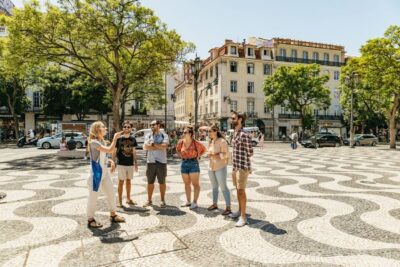
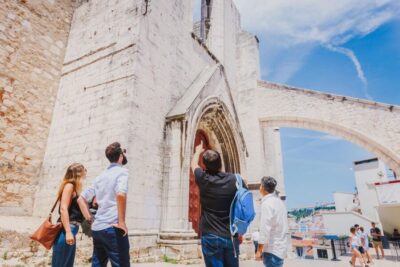
Best of Lisbon Walking Tour: Rossio, Chiado & Alfama
Read our review →
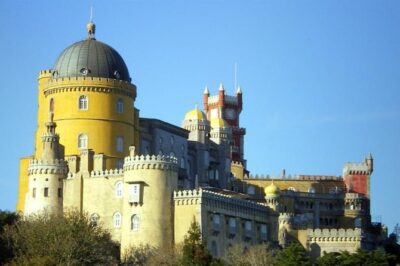
Sintra & Cascais Day Tour with Pena Palace Entry and Gardens Walk
Read our review →
Lisbon Roots – Small group Food & Culture Walking Tour w/tastings
Read our review →
Starter Walking Tour to the highlights in German
Read our review →Browse the lists this tour appears in