
Reviewed · LISBON COOKING CLASSES
Lisbon: Portuguese street food cooking class with Drinks
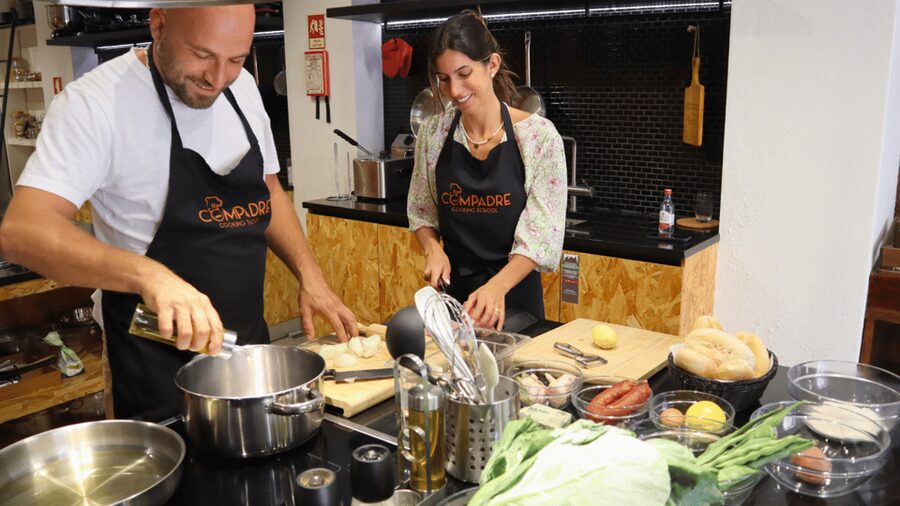
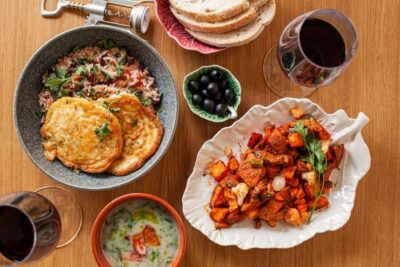
Lisbon’s snack-bar cooking has a good story to tell, and this class gives you a chance to make it yourself. You’ll prepare a pork bifana, collard greens soup called caldo verde, and Peixinhos da horta, the bean dish often connected with the origins of tempura.
I like two things in particular: the menu reaches beyond the usual Portuguese cooking-class favorites, and the meal at the end turns the lesson into a relaxed shared dinner. The recipes are meant to be simple enough to try again at home, too.
The main consideration is time. Two hours goes quickly when you’re hearing about the dishes, cooking several recipes, and eating together, so expect an introduction rather than a long, technique-heavy course. If you want plenty of time at every station, speak up and ask to take part in each step.
At a glance
- Make three Portuguese staples: Cook bifana, caldo verde, and Peixinhos da horta, rather than focusing only on the country’s best-known pastries or cod dishes.
- Hear the food stories: The class connects each recipe with Portuguese daily life and its place in local food culture.
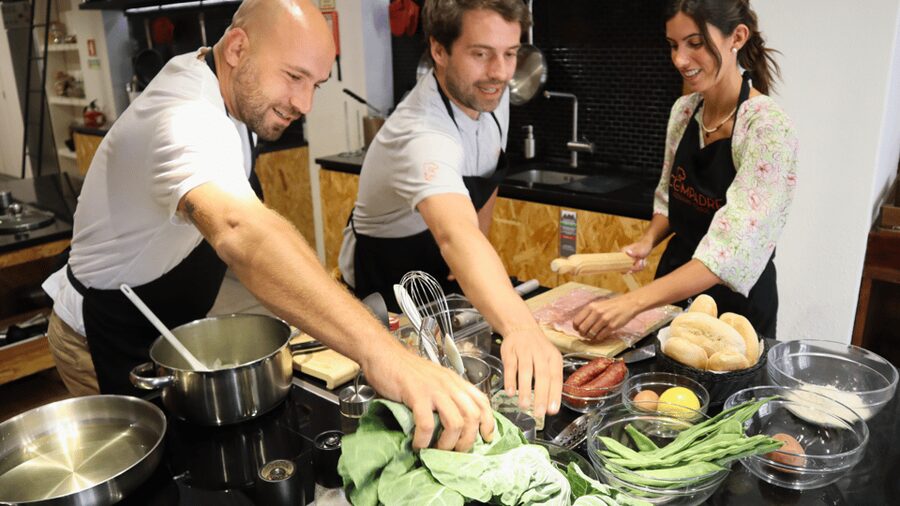
- Cook as a group: You work alongside other participants, with guidance from an English-speaking chef and no prior cooking skills required.
- Share the finished meal: The dishes you prepare become dinner, served with a glass of red or white wine and a tasting of Ginja.
- Plan for a cooking-school setting: The meeting point is Compadre Cooking School’s kitchen. Wear comfortable clothing and shoes, and arrive five minutes early.
Start with the stories behind the snacks
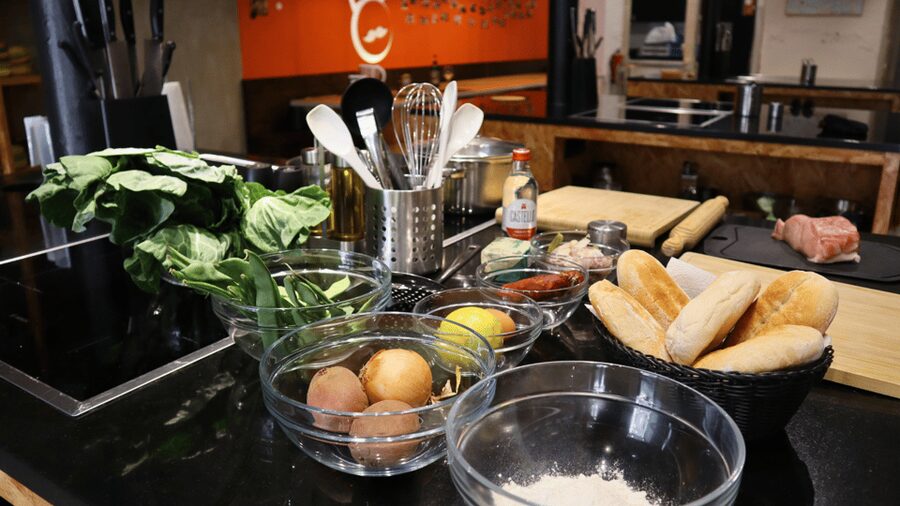
The class opens with a short introduction to the dishes and their cultural background. That context matters: these are not just recipes to copy from a page. The bifana and caldo verde are familiar Portuguese comfort foods, while Peixinhos da horta offers a less expected connection between Portuguese cooking and the tempura tradition.
You don’t need to arrive with culinary experience or a working knowledge of Portuguese food. The chef introduces the dishes in English, and the class is designed for curious beginners as well as food-minded travelers. The point is to learn what you’re making and why, not to pass a cooking exam.
The two-hour format helps keep the experience manageable within a busy Lisbon itinerary. It is long enough to hear the background, prepare several dishes, and sit down to eat, but it is not a full afternoon of instruction. If you’re hoping to master advanced knife work or restaurant techniques, this is not that kind of course. Think practical recipes and a taste of everyday food culture.
More food tours in Lisbon:
- Lisbon Small-Group Food Tour with 18 Tastings in Alfama District
★ 5.0 · 1,967 reviews - Lisbon: Baixa District Food Tour with Dinner and Drinks
★ 4.9 · 1,870 reviews - Devour Lisbon: The Ultimate Portuguese Food Tour
★ 5.0 · 1,782 reviews
Make a bifana, soup, and a Portuguese take on tempura
The cooking portion brings everyone into the process, with the chef guiding the group through the recipes. The bifana is a pork sandwich, one of those straightforward, satisfying dishes that makes sense as everyday food. Preparing it yourself gives you a better feel for how a small set of ingredients can become a proper meal.
Caldo verde brings a different sort of comfort to the table. This traditional soup is made with collard greens, and it was a favorite for several people who took the class. Its appeal is easy to understand: it is a classic dish with a clear place in Portuguese home cooking, and it gives you a recipe you can adapt and make again without special equipment.
Then there are Peixinhos da horta, the dish linked with the wider story of tempura. The class presents it as a Portuguese original, and the finished version has been described as bean fritters. It’s a fun point of comparison if you know tempura already, and a reminder that food traditions travel and change over time.
The menu is a smart choice for a short lesson. It moves between a sandwich, a soup, and a fried snack, giving you three distinct dishes instead of variations on one theme. You get a broader sense of Portuguese comfort food, and the recipes are presented as approachable enough to recreate at home.
Learn with a chef, not just from a recipe card
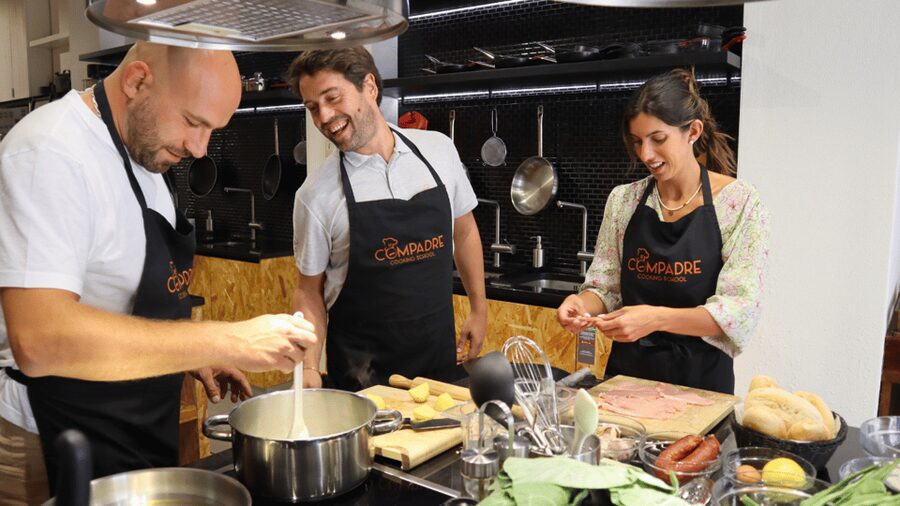
The class is collaborative: you work alongside the other participants while the chef guides the cooking. That format makes the lesson social as well as practical. You can watch how others approach a task, ask questions, and share out the work rather than spending the whole session listening to a demonstration.
Instructors named in past classes include Marta, Anna, and Roy. The experience may have different teachers on different dates, but the teaching style described in class feedback is generally clear, friendly, and lively. One participant did feel that an instructor took over too much instead of letting the group do the work. That is worth keeping in mind if hands-on practice is your main reason for booking: ask to try each step, rather than assuming the chef will automatically hand every task around.
The kitchen has also been described as modern, clean, and spacious, with professional cooking stations. That makes a difference in a group lesson. A tidy, well-organized space helps keep the focus on the food, and gives you room to work without feeling as if you’re crowding around a home stove.
Sit down to the meal you made
Once the cooking is finished, everyone gathers to eat the dishes together. This is more than a quick taste at the counter. The prepared food becomes a shared meal, giving you time to enjoy the results and talk with the people you’ve cooked alongside.
A glass of wine, red or white, is included, followed by a tasting of Ginja, Portugal’s traditional cherry liqueur. These drinks are part of the experience, not an open bar. Additional drinks cost extra, so factor that in if you’d like to order more.
The group meal is one of the class’s best features. Cooking together gives you an easy way to meet people, and sitting down afterward makes the experience feel complete. If you’re traveling solo, it offers a friendly social setting without requiring you to make plans for a separate dinner. If you’re with a companion, you’ll leave with recipes and a shared meal rather than just another restaurant memory.
More cooking classes in Lisbon:
- Lisbon: Pastel de Nata Baking Class
★ 4.9 · 2,106 reviews - Lisbon: Traditional Portuguese Cooking Class
★ 4.9 · 592 reviews - Pastel de Nata Masterclass at a Real Bakery in Downtown Lisbon
★ 5.0 · 491 reviews - Pastel de Nata Pastry Class: Bake and Enjoy Your Own Treats
★ 5.0 · 485 reviews
Is $55 good value for two hours?
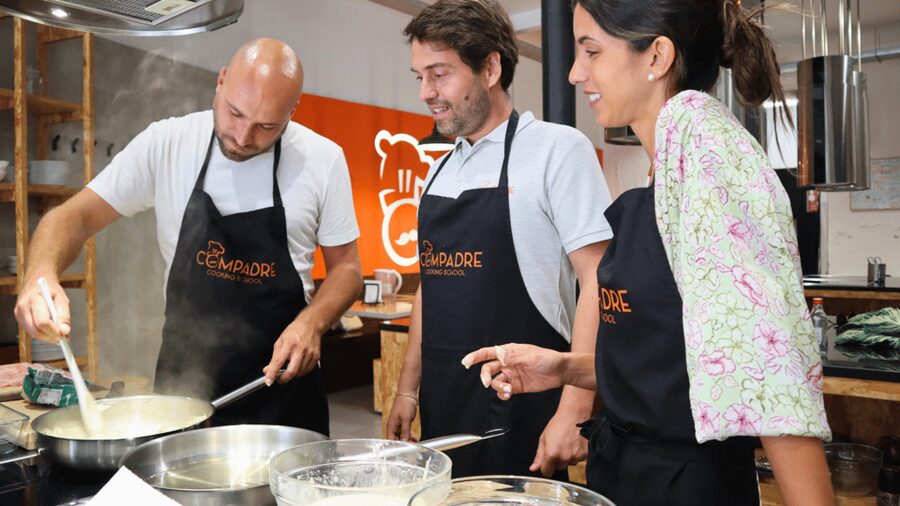
At $55 per person, the price covers chef guidance, ingredients, the cooking lesson, the meal you prepare, a glass of wine, and a Ginja tasting. That is a fair package if you value both the instruction and the dinner. You are not paying simply to watch a chef cook; the aim is for you to take part, learn the recipes, and eat the results.
It is also a useful option if you want a break from restaurant meals. You get a structured activity and a full shared meal in one booking, with dishes that offer a different angle on Portuguese food than the familiar pastel de nata and cod. Just keep in mind that transport to and from the kitchen is not included, and drinks beyond the provided wine and Ginja tasting are extra.
The value depends on what you want from a cooking class. If you mainly want an expert-led introduction to a few local dishes in a social setting, the price makes sense. If your priority is intensive instruction or an extended menu, a two-hour class may feel brief.
Who will enjoy this Lisbon cooking class?
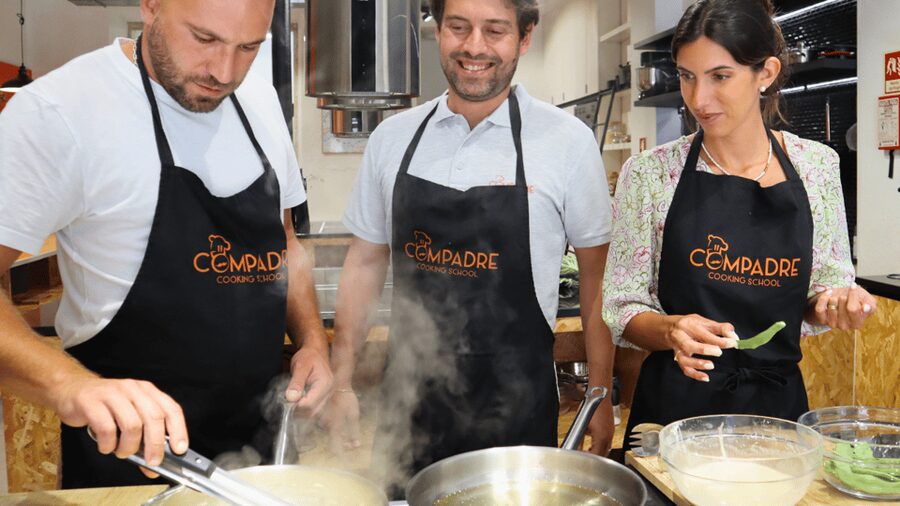
I’d recommend it to food lovers who want to do more than sample Portuguese cooking from a restaurant table. It suits beginners particularly well: no prior cooking experience is required, the recipes are intended to be manageable, and you can learn about the food as you prepare it.
It is also a good fit for couples, friends, and solo visitors who like the idea of a communal meal. The group format is a real part of the appeal, not an incidental detail. You cook together, then share the dishes and conversation around the table.
The class may be less suitable if you need wheelchair access, since it is listed as not suitable for wheelchair users. If you have dietary needs, contact the school in advance; the recipes may be adapted. Wear comfortable clothes and shoes suitable for cooking, and arrive five minutes early to settle in. Smoking, alcohol, and drugs are not allowed during the activity.
Should you book it?
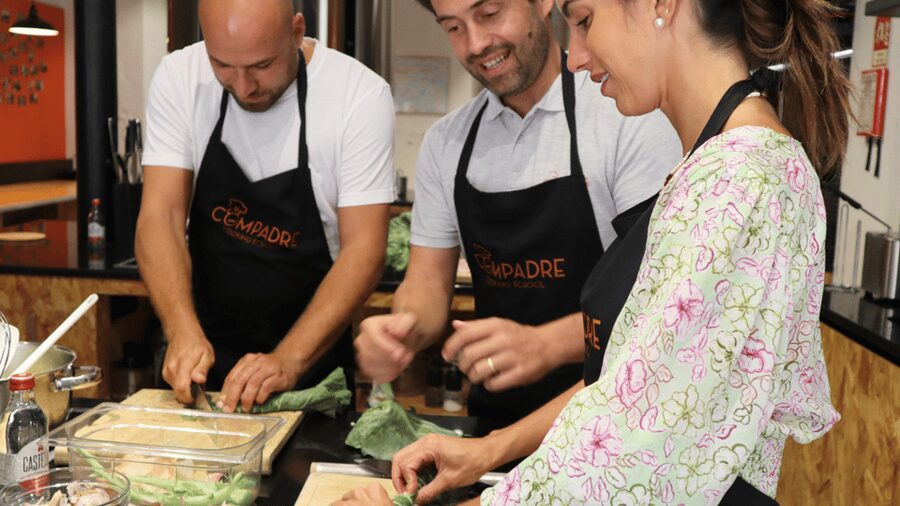
Book this class if you want a friendly, practical introduction to Portuguese snack-bar food and would enjoy making dinner with other people. The trio of bifana, caldo verde, and Peixinhos da horta gives you a useful range of recipes, while the short food histories make the cooking more meaningful. You also get wine, Ginja, and a shared meal within the two-hour session.
Skip it if you want a long, technical cooking course or prefer to work entirely at your own pace. And if getting hands-on time is essential, tell the instructor you’d like to handle each step. For most curious eaters, though, this is a satisfying way to spend two hours and take a few distinctly Portuguese recipes home.
FAQ
How long is the cooking class?
The class lasts two hours.
What dishes will I learn to prepare?
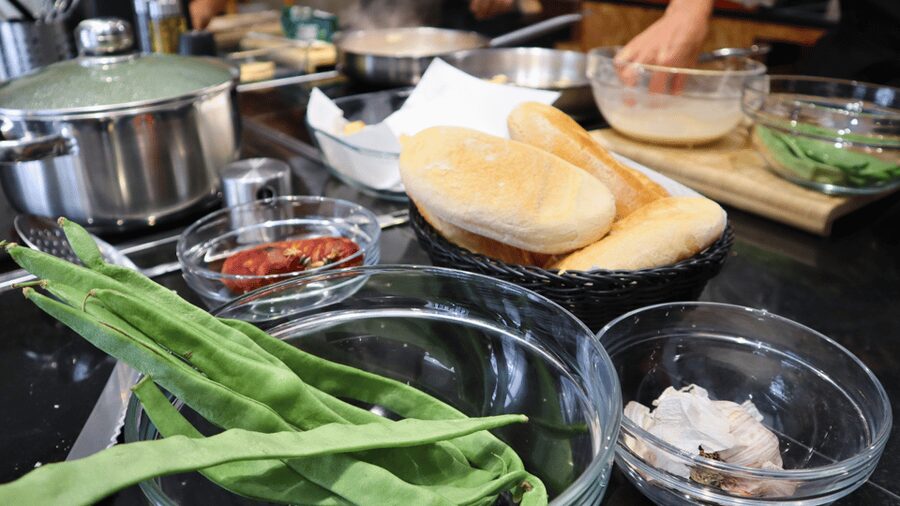
You’ll prepare a bifana pork sandwich, caldo verde soup, and Peixinhos da horta, a Portuguese dish linked to the origins of tempura.
Do I need cooking experience?
No. The class is suitable for beginners and requires no prior cooking experience.
What drinks are included?
You receive one glass of red or white wine and a tasting of Ginja, a traditional Portuguese cherry liqueur. Additional drinks are not included.
Is a meal included?
Yes. You’ll share and eat the dishes prepared during the class.
What language is the class taught in?
The instructor teaches in English.
Can the recipes be adapted for dietary needs?
The recipes may be adapted. Contact the school about your specific diet.
Is the class wheelchair accessible?
The activity is listed as not suitable for wheelchair users.
More food experiences in Lisbon
- Lisbon Roots – Small group Food & Culture Walking Tour w/tastings
★ 5.0 · 910 reviews - Private Lisbon Arrabida Wine Tour: Food & Wines, Mountain and Sea
★ 5.0 · 907 reviews - Lisbon Private Food Tour – Taste 10+ Local Dishes & Wines
★ 5.0 · 896 reviews - Lisbon: Segway Food Tour of Alfama and Old Town Lisbon
★ 4.8 · 770 reviews
More food and drink experiences in Lisbon
- Winner 2025 Undiscovered Lisbon Food & Wine Tour by Eating Europe
★ 5.0 · 6,390 reviews - Lisbon: Food and Wine Small Group Walking Tour
★ 4.9 · 4,082 reviews - Lisbon Food Tour with 10+ Tastings of Local Delicacies & Wines
★ 5.0 · 1,339 reviews - Award-Winning Original Lisbon Food Wine Tour: 19 Curated Tastings
★ 5.0 · 1,288 reviews
Lately reviewed in Lisbon
- Lisbon: Sunset and Wine Luxury Catamaran Cruise★ 5.0 · 17 reviews
- Lisbon Sunset Boat Tour with local Snacks & Drinks★ 4.9 · 11 reviews
- Lisbon: Street Art Tour★ 4.7 · 66 reviews
- Lisbon: Streets of Alfama Private Segway Tour 1.5hour★ 4.8 · 15 reviews
- Lisbon: Sunset Boat Party with 2 Drinks and Free Club Entry★ 3.9 · 93 reviews
- Tuk Tuk Lisbon: Street Art 2-Hour★ 5.0 · 6 reviews
- Lisbon 3-Hour Street Art Tour★ 4.6 · 63 reviews
- Lisbon Street Art Tour★ 5.0 · 4 reviews
Lisbon Cooking Classes, compared.


Pastel de Nata Masterclass at a Real Bakery in Downtown Lisbon
Read our review →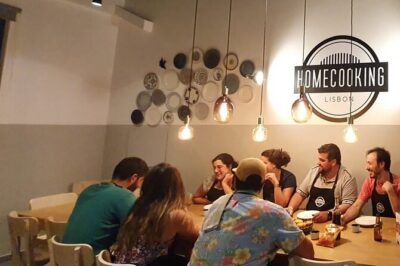
Pastel de Nata Pastry Class: Bake and Enjoy Your Own Treats
Read our review →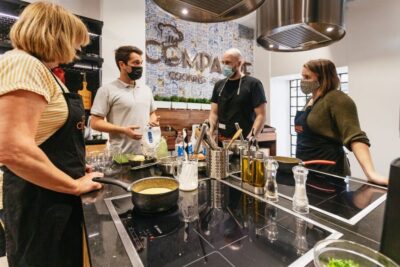
Lisbon Portuguese Cooking Class with 3-Course Dinner
Read our review →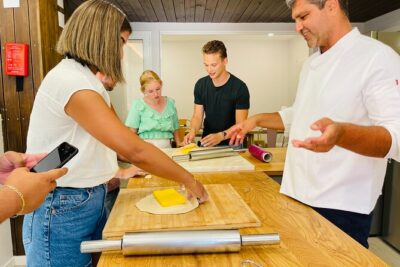

Browse the lists this tour appears in